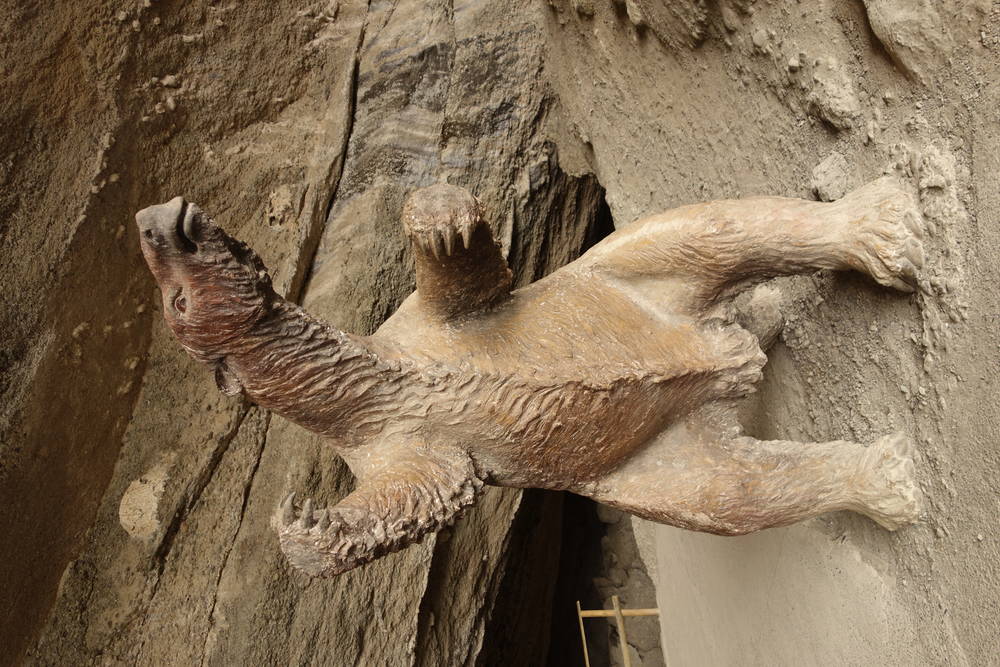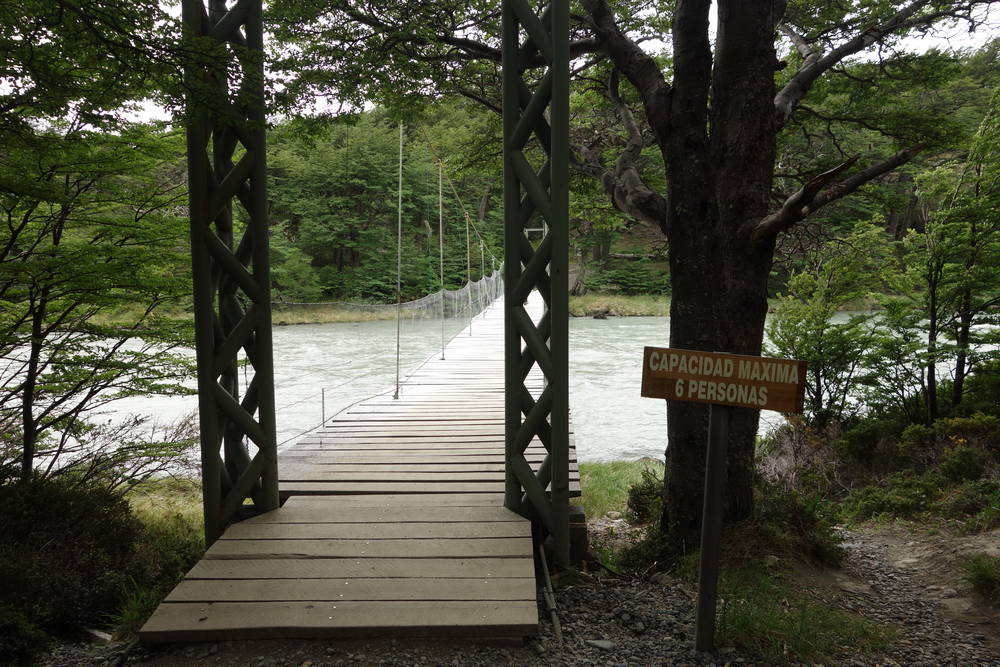
On we go

(Even though we are already safely back home, we continue to post the rest of the photos 🙂

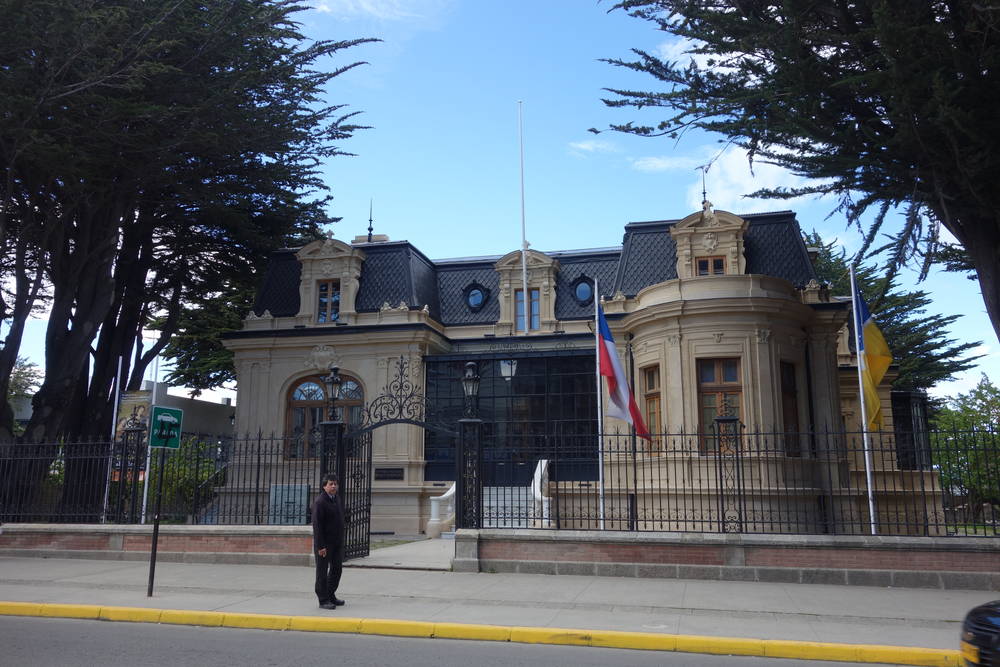
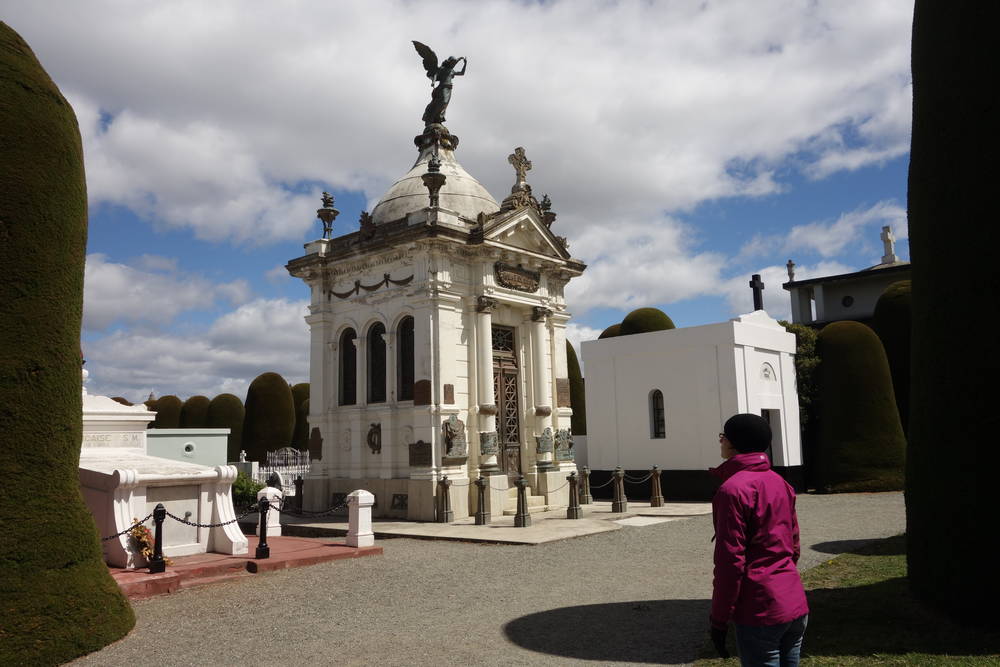
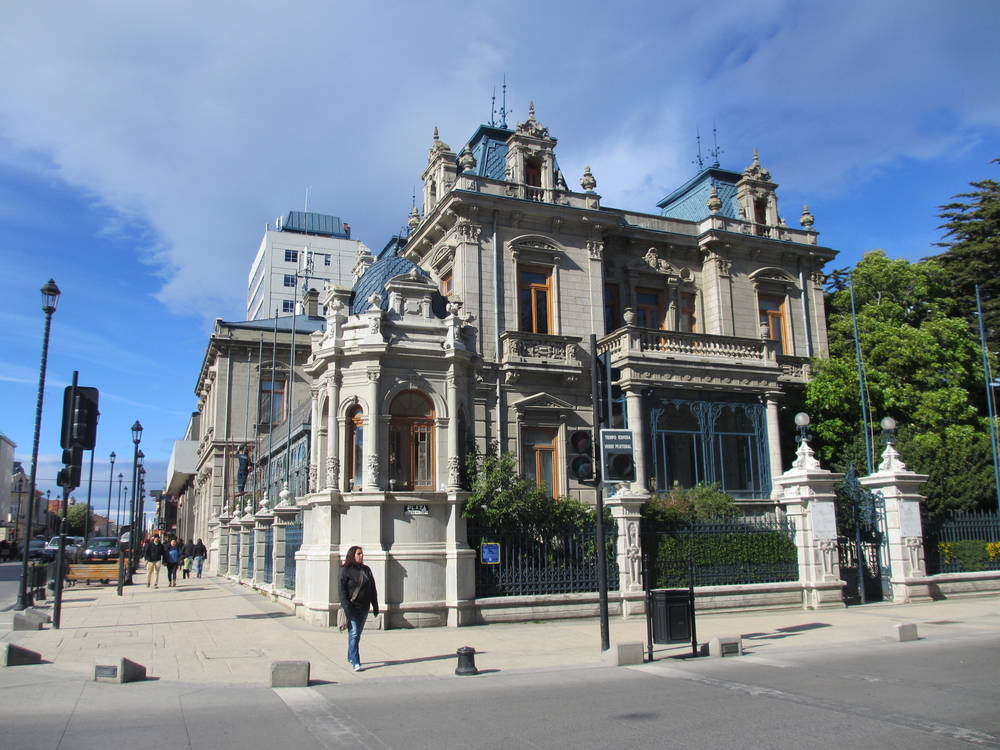
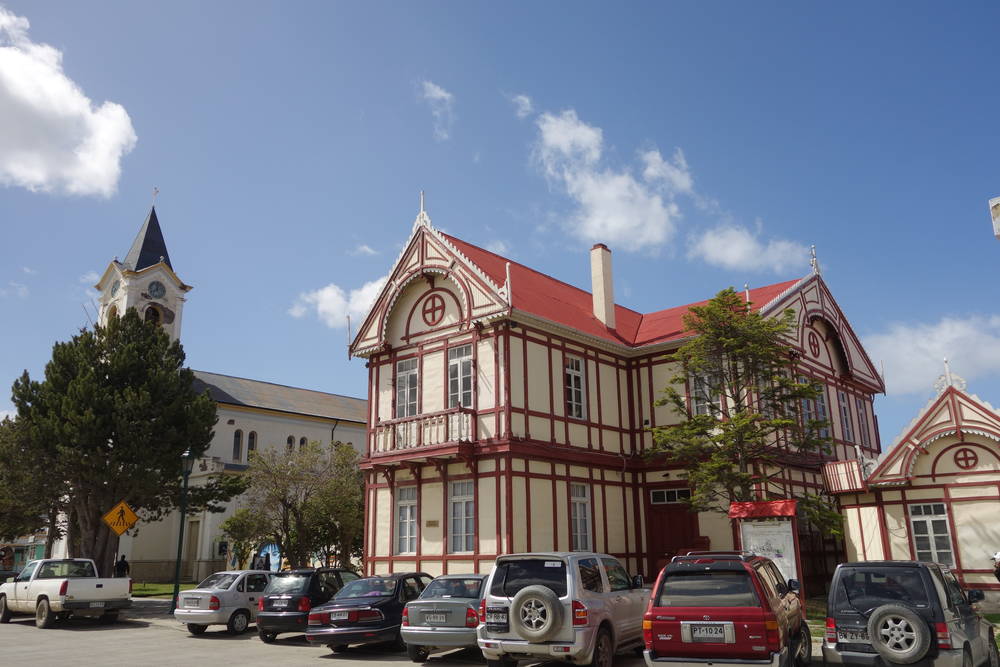
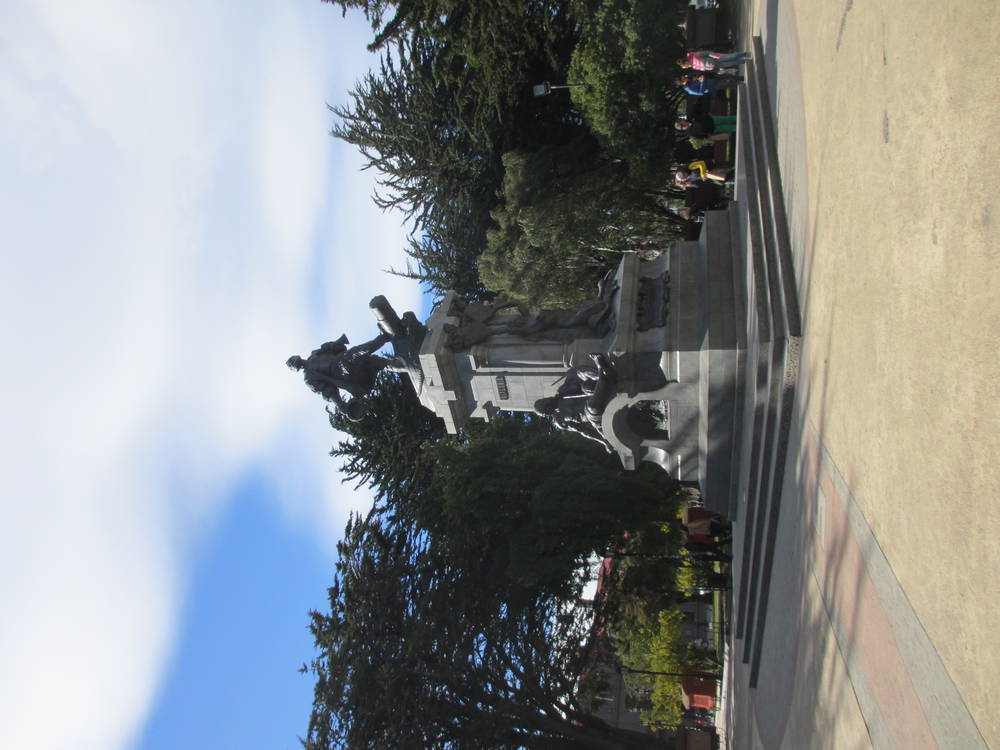
After our domestic flight, we stayed in Punta Arenas, a city that is most often used as a starting point south (to Antarctica) or north (to Puerto Natales). A quite nice city with old buildings and a sightworthy cemetery:
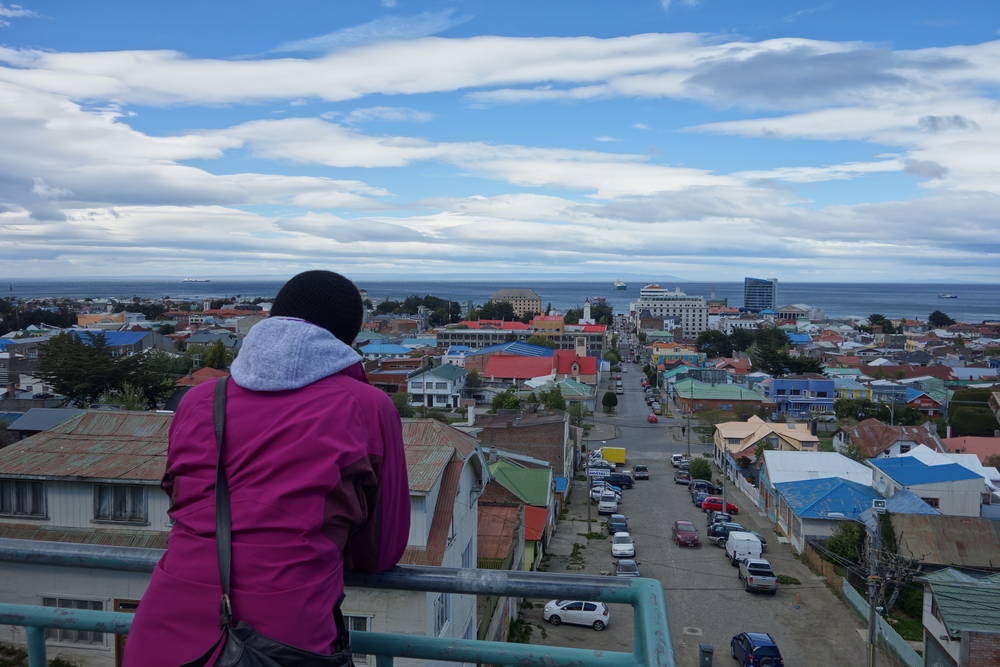
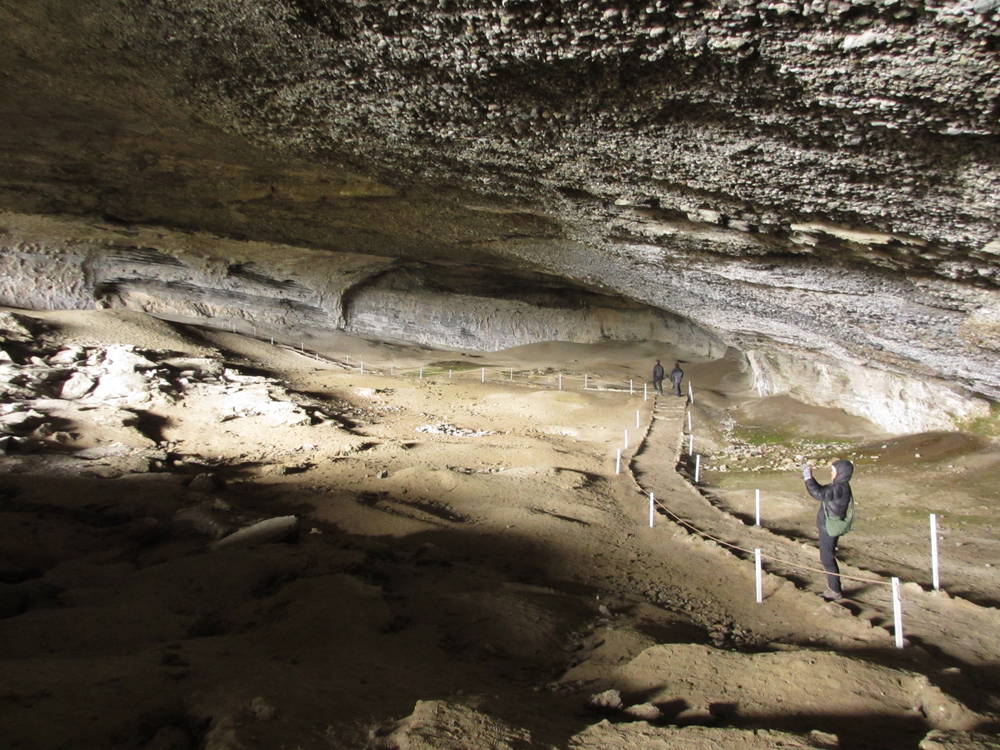
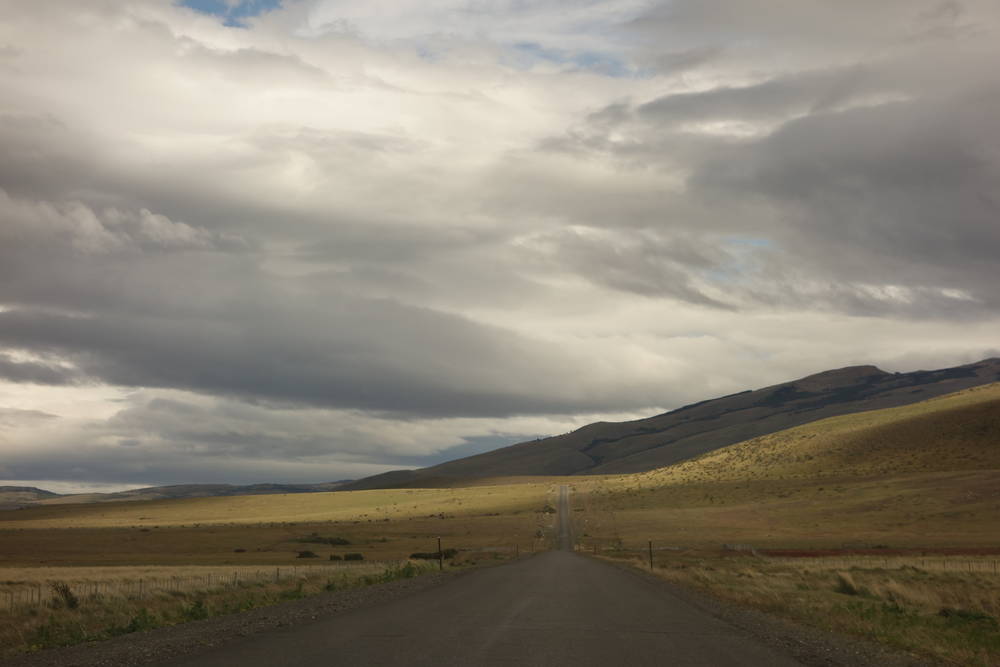
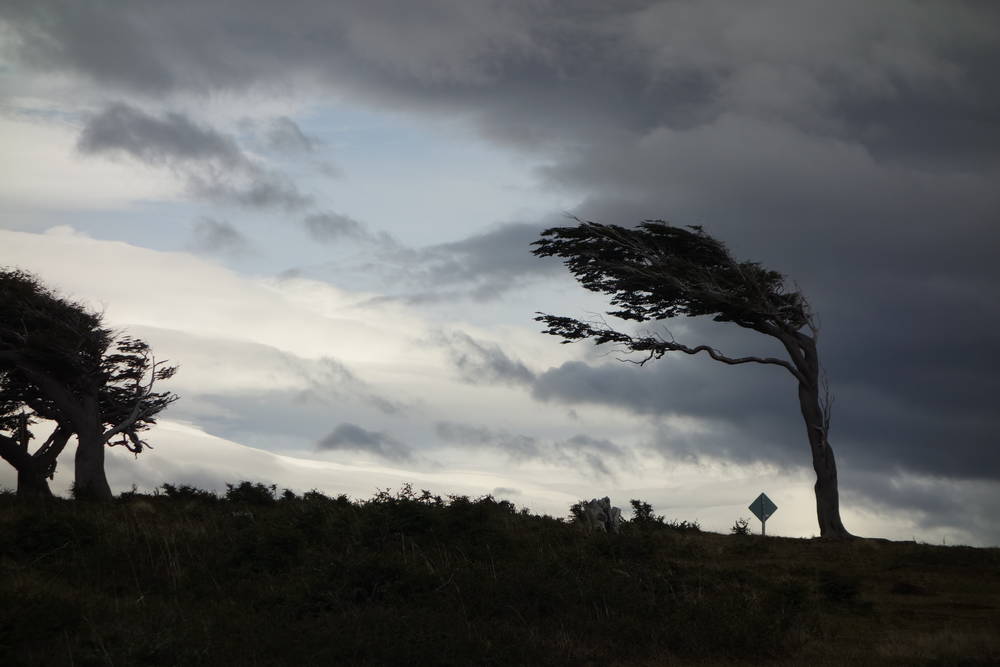
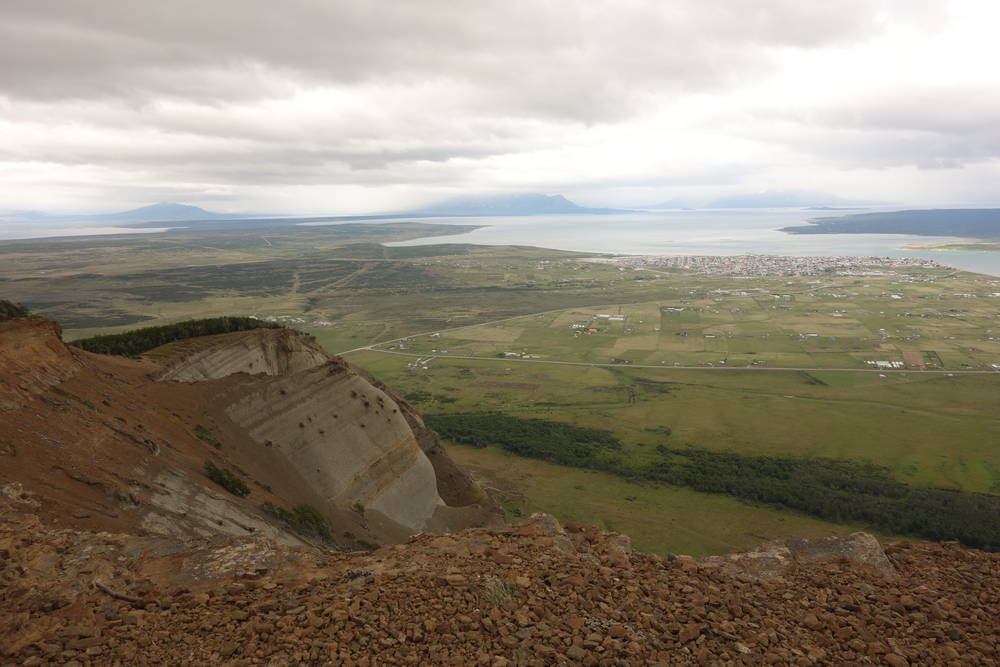
Further north we used Puerto Natales as our Basis for further exploration, for example up to the (very windy) view point on Cerro Dorotea:
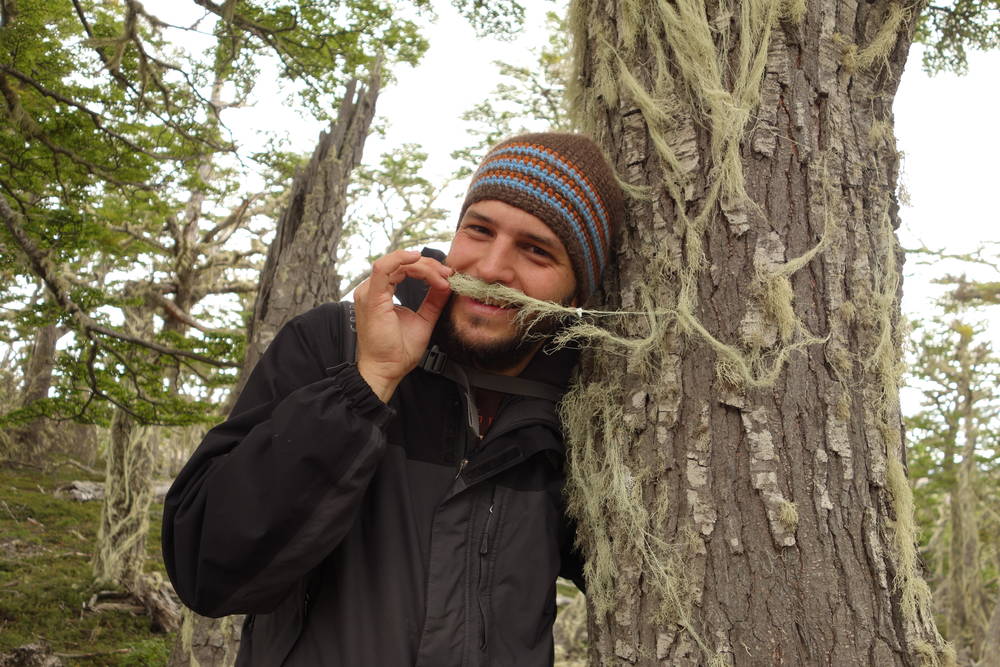
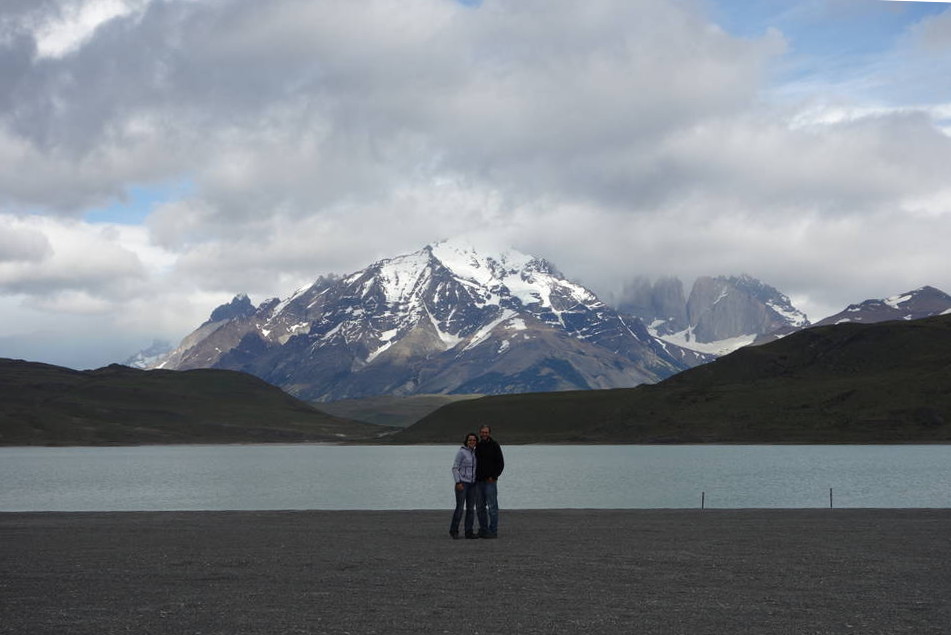
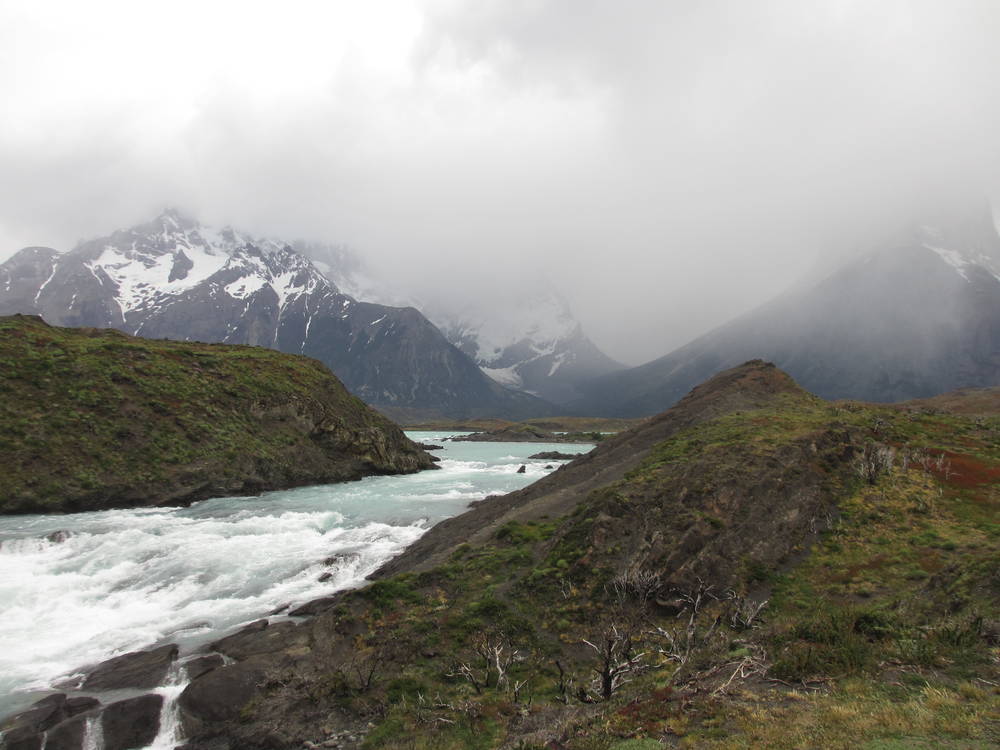
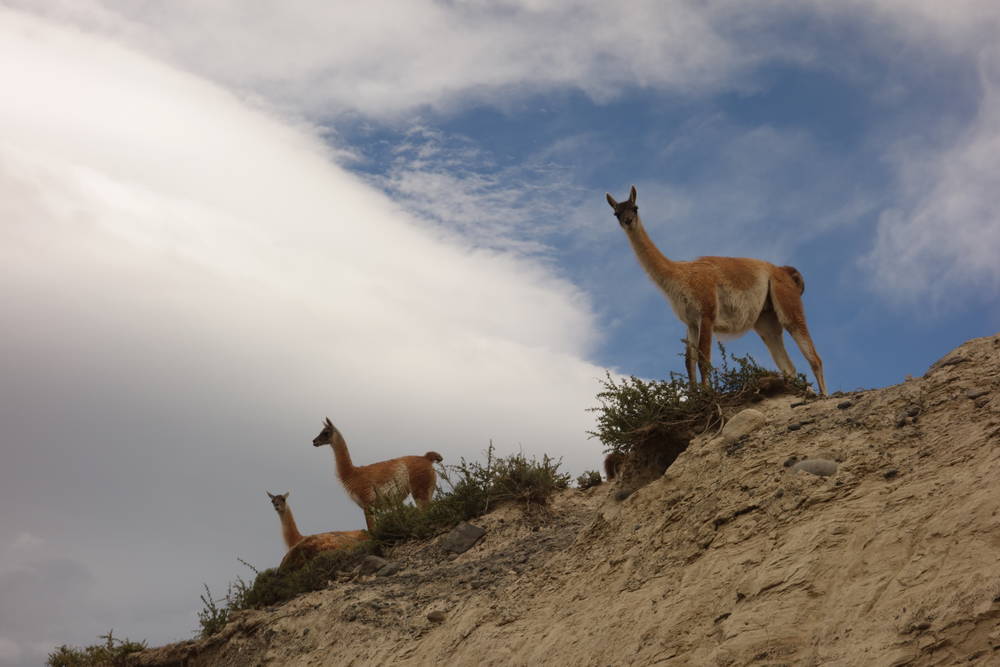
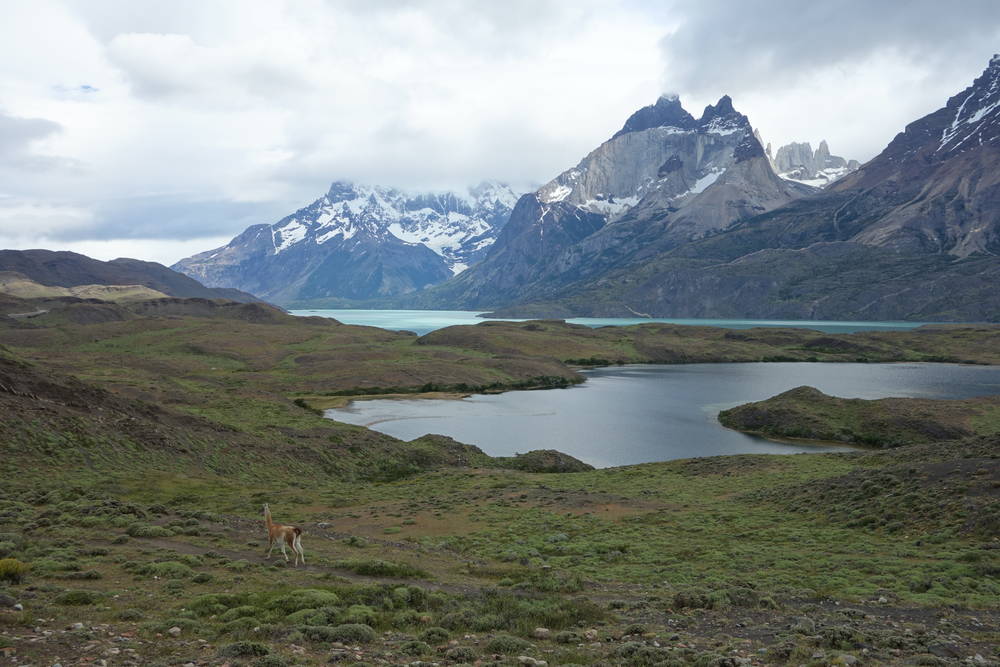
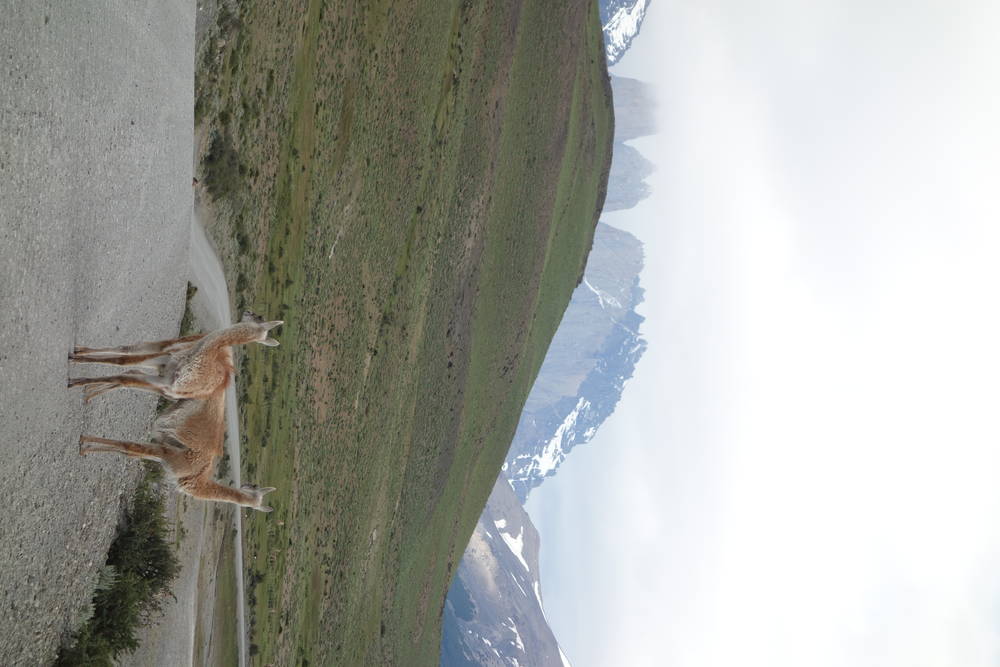
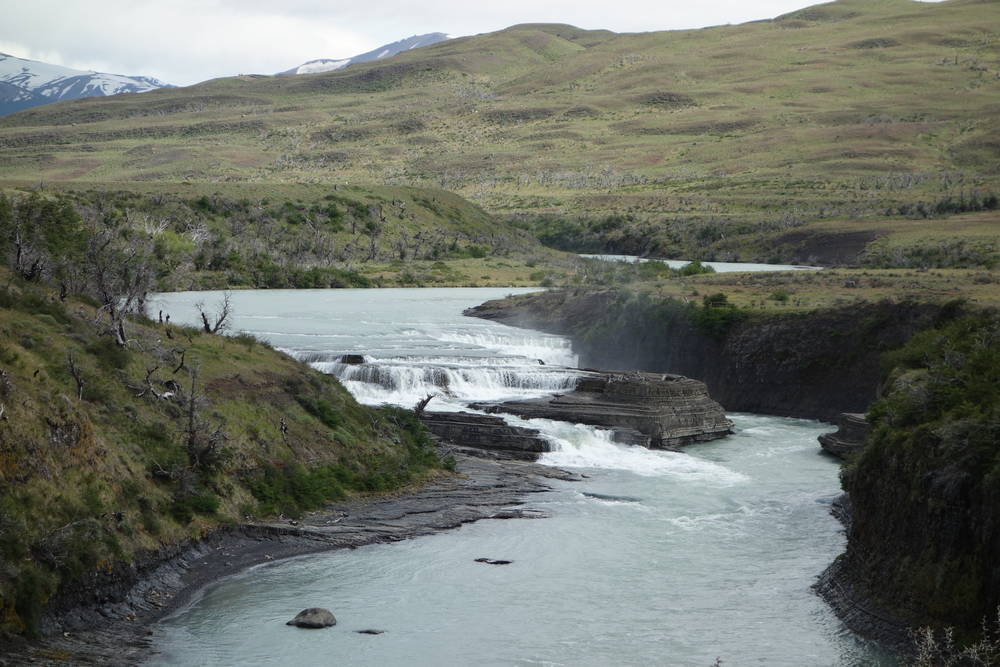
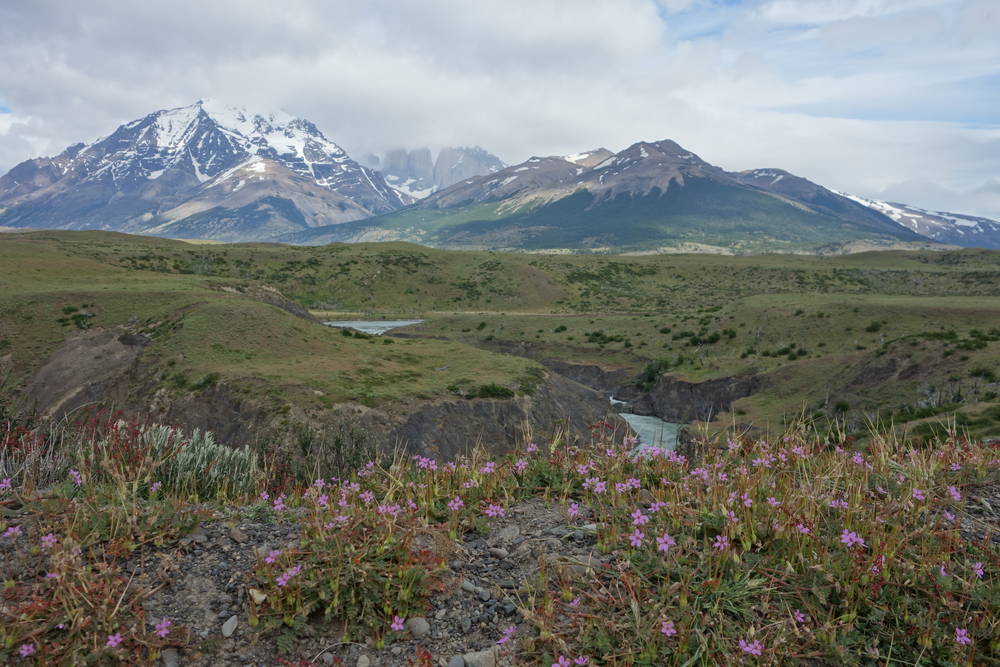
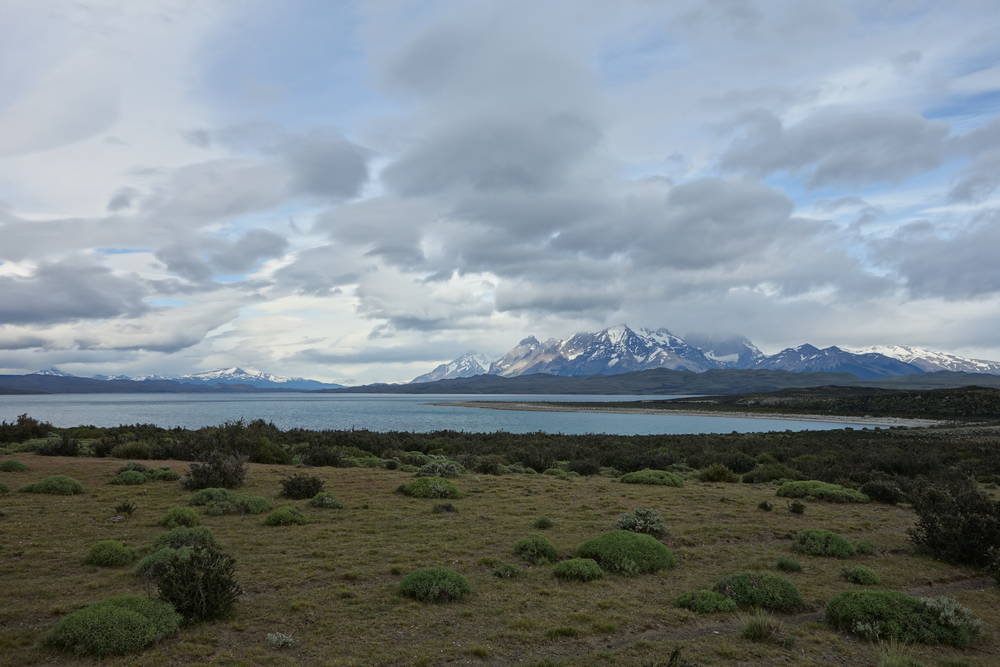
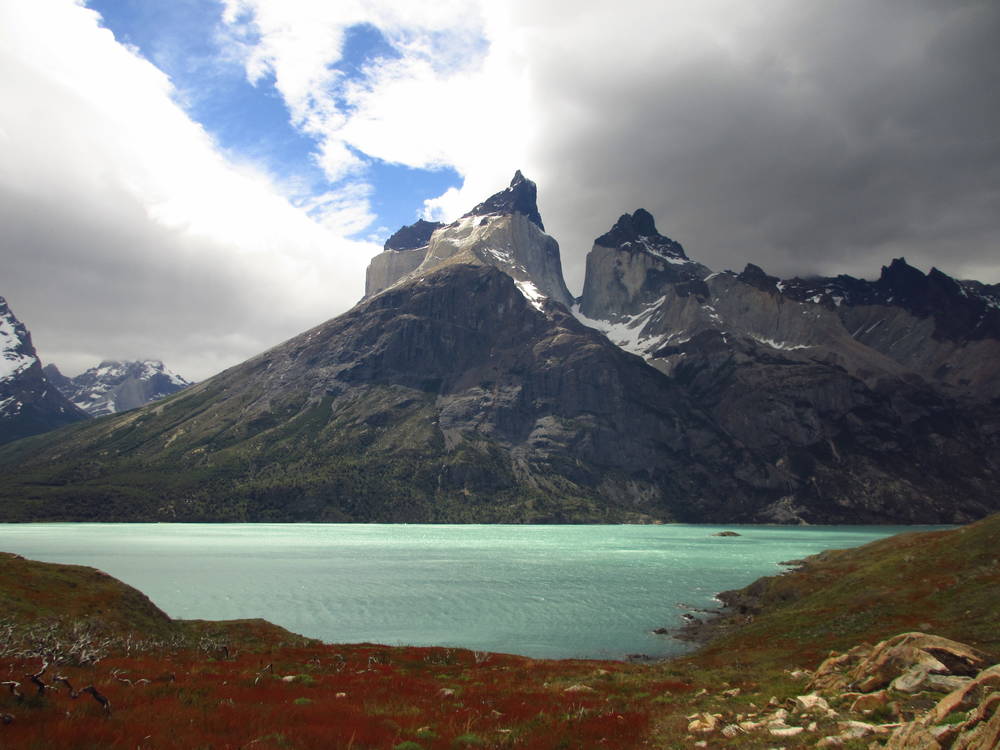
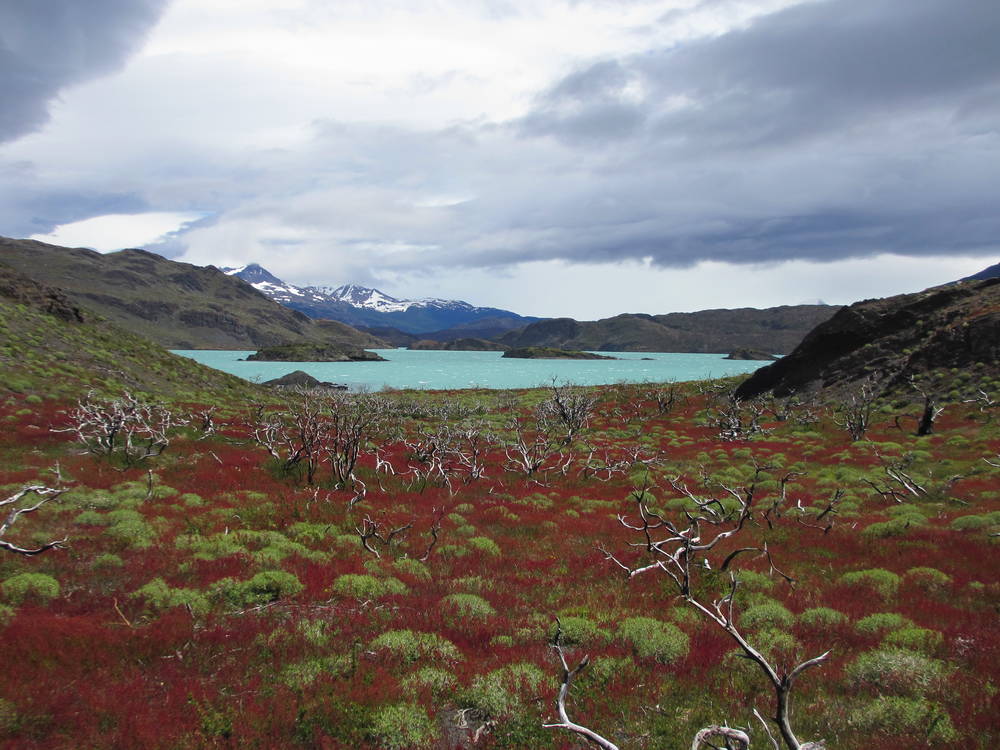
In two day-trips we went to the Torres del Paine national park, of which everyone in the world seems to be very fond of. We are still not convinced, but it was quite nice. Everyone hikes the W (when looking at the route on a map, it forms this shape) but we think we were able to grasp the flair in several shorter hikes–the weather is a matter of its own, 4 seasons in a day are not unusual: for example, we had a day with constant winds of 100km/h.
In Puerto Natales we were told that the border to Argentina–our next stop–was closed for already a week because the Chilenean Border Control was on strike. Luckily enough just on the day that we had planned to go, the situation relaxed and we were only affected in the sense that we had to start our 6-hour bus ride in the late afternoon.

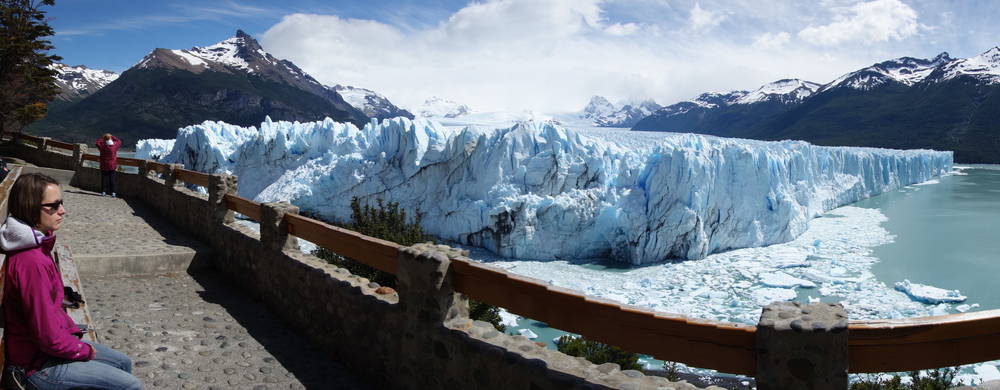
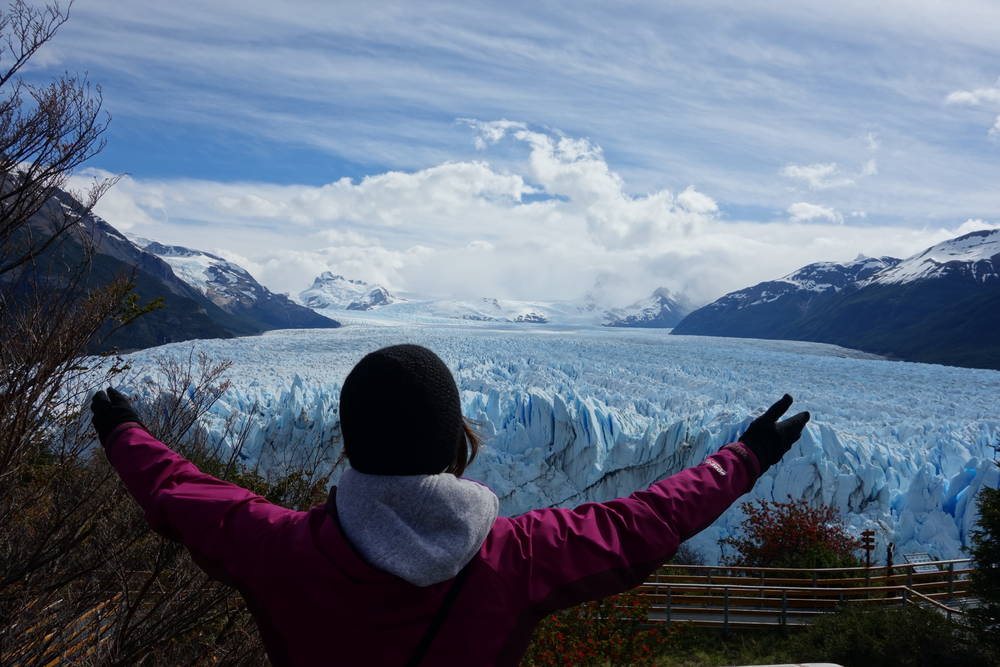
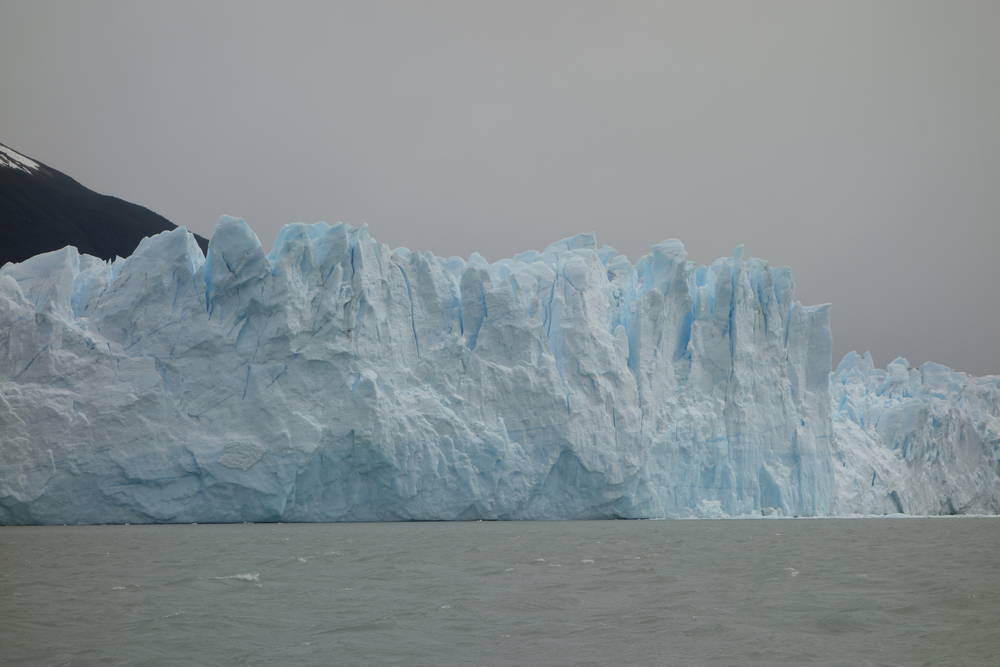
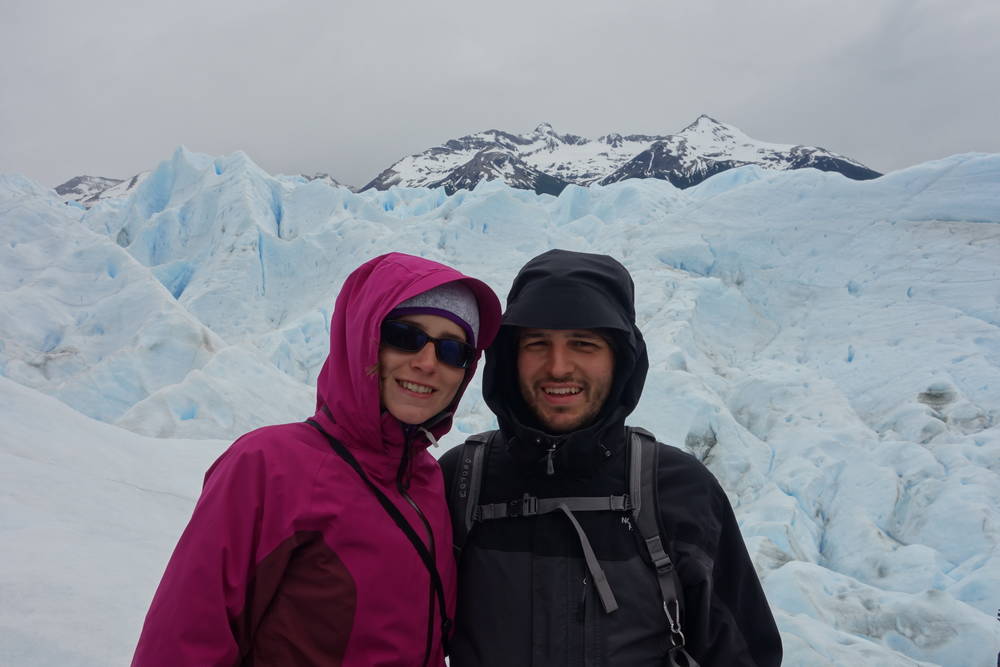
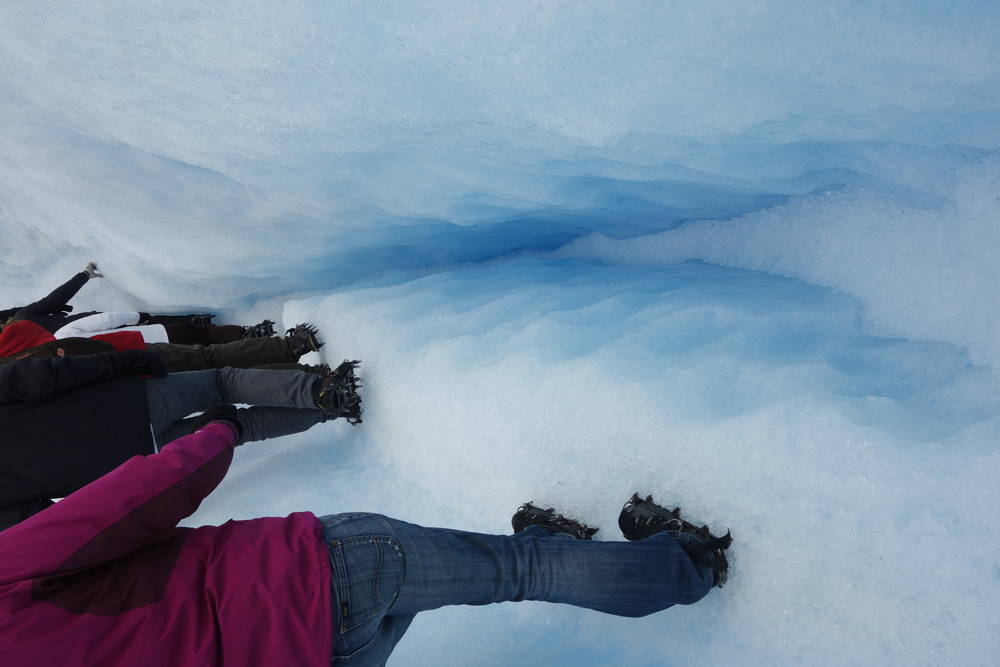
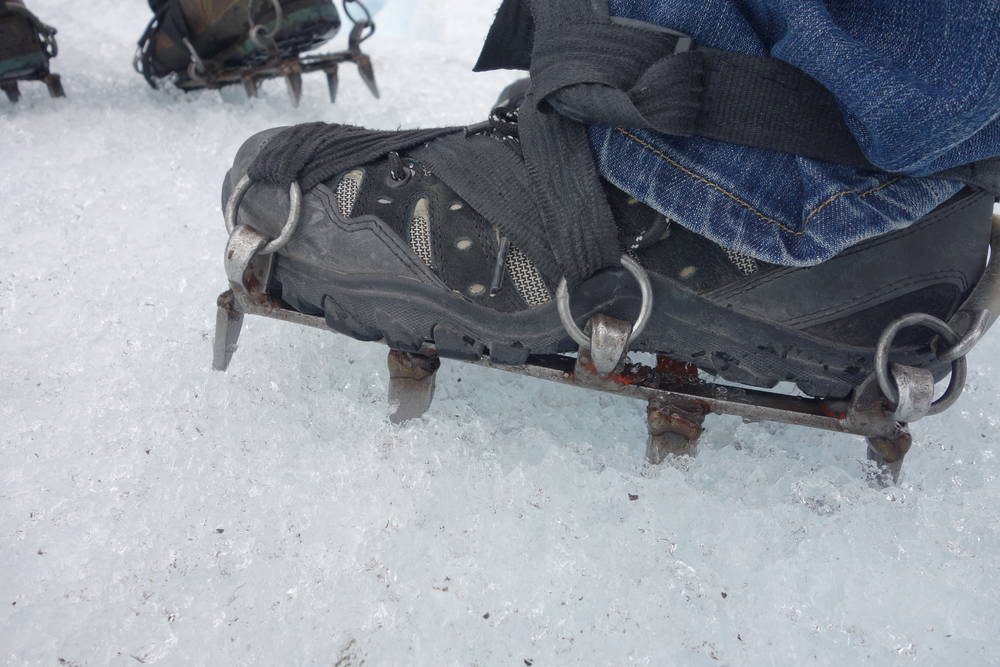
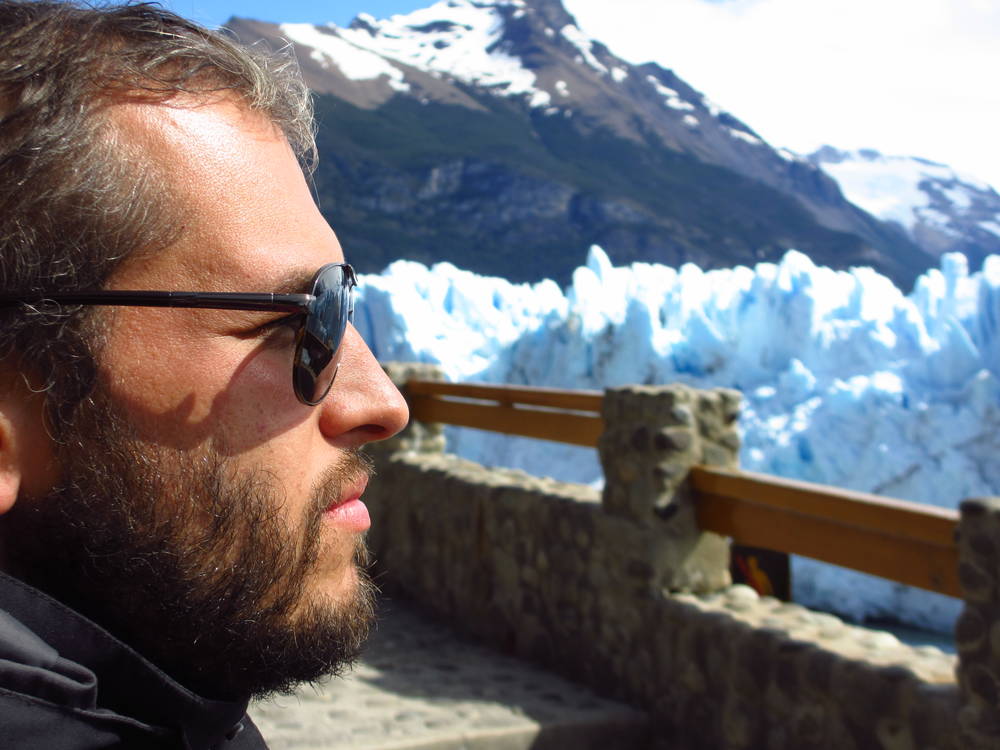
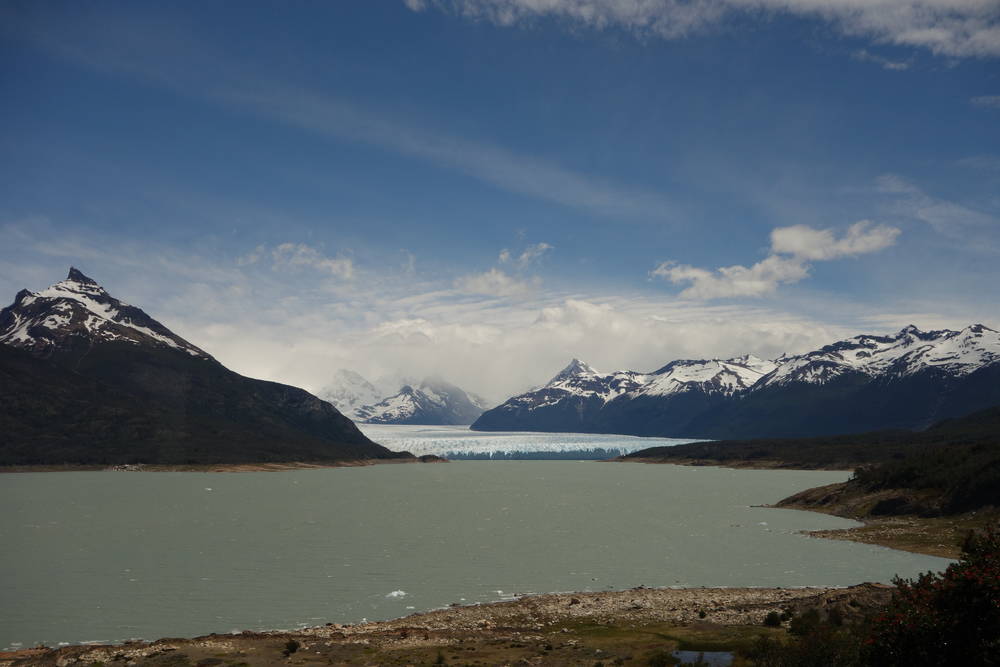
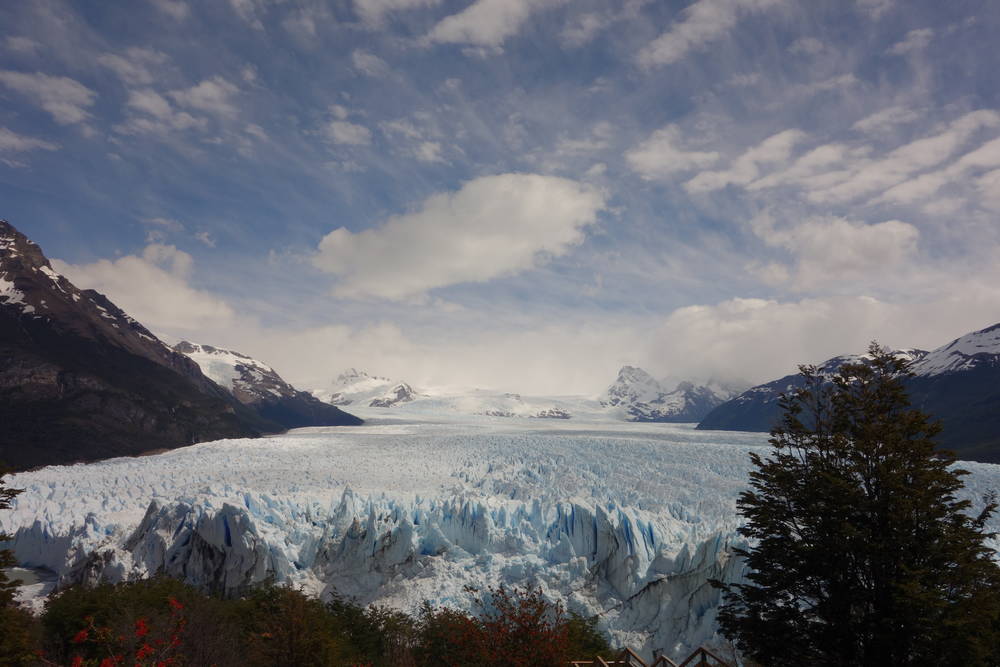
From El Calafate we visited the spectacular Perito Moreno. A 30 km long glacier that goes down into the valley. With a little luck regarding the weather you can sit there for hours and watch it calf. You sit in front of a 50-70 meter high wall of ice and every now and then a part breaks of and falls with a thunder into the water to form a little iceberg. During a Mini-Trekking we even were able to wander around on the ice. It was very impressive to see the different colors of the ice: the bluer it appears, the less oxygen the ice contains.
Southernmost stop on our travels was Ushuaia in Argentina, the southernmost city of the world (the souternmost settlement is part of Chile, Port Williams). The border between Argentina and Chile is the result of a compromise: Within tierra del fuego the border is a straight line and most of the islands surrounding it belong to Chile.

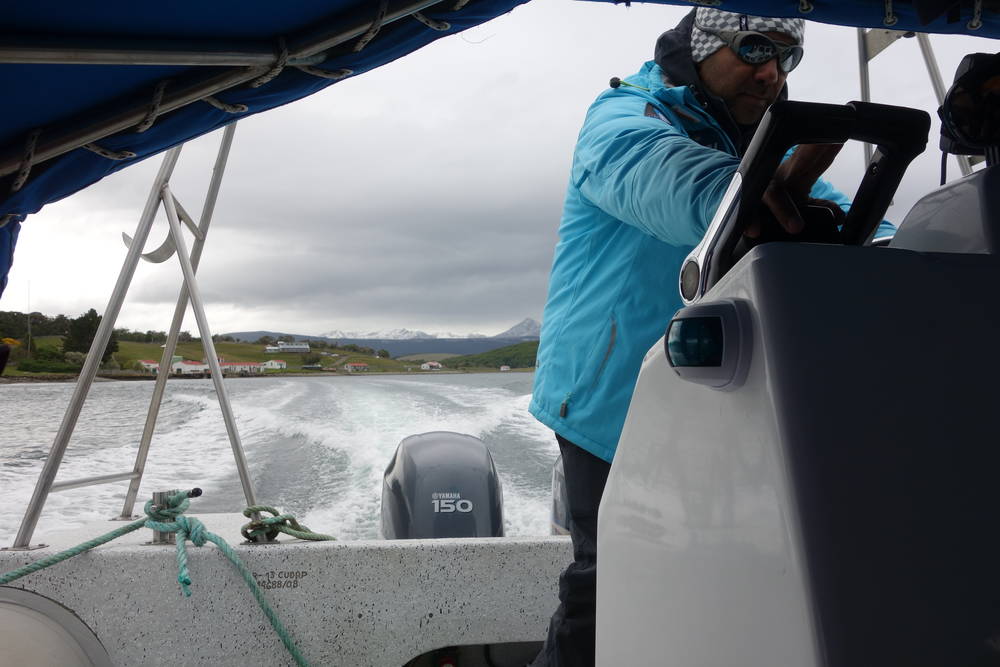
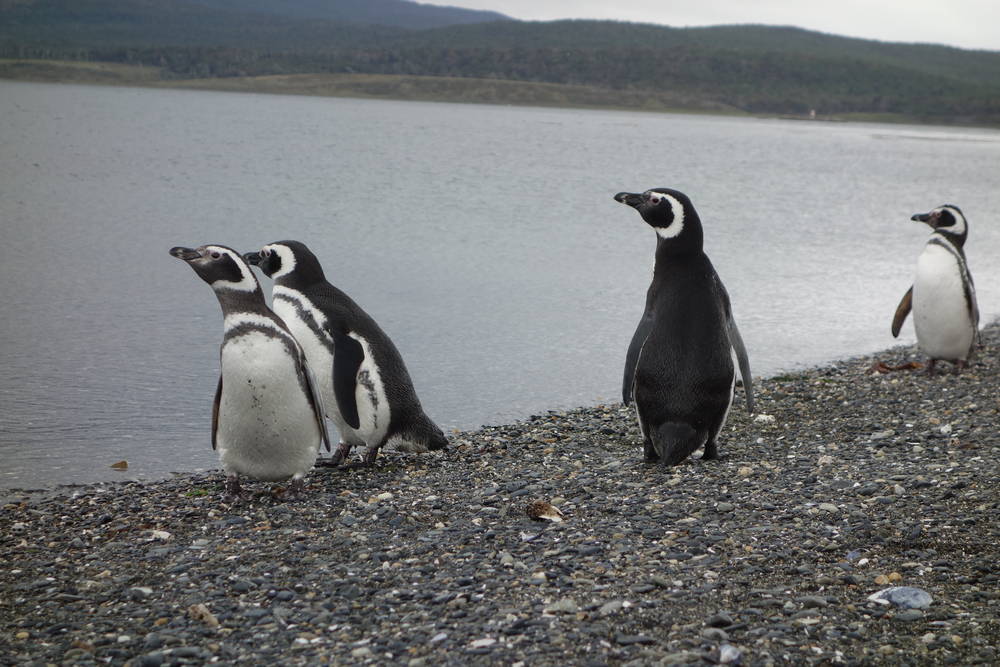
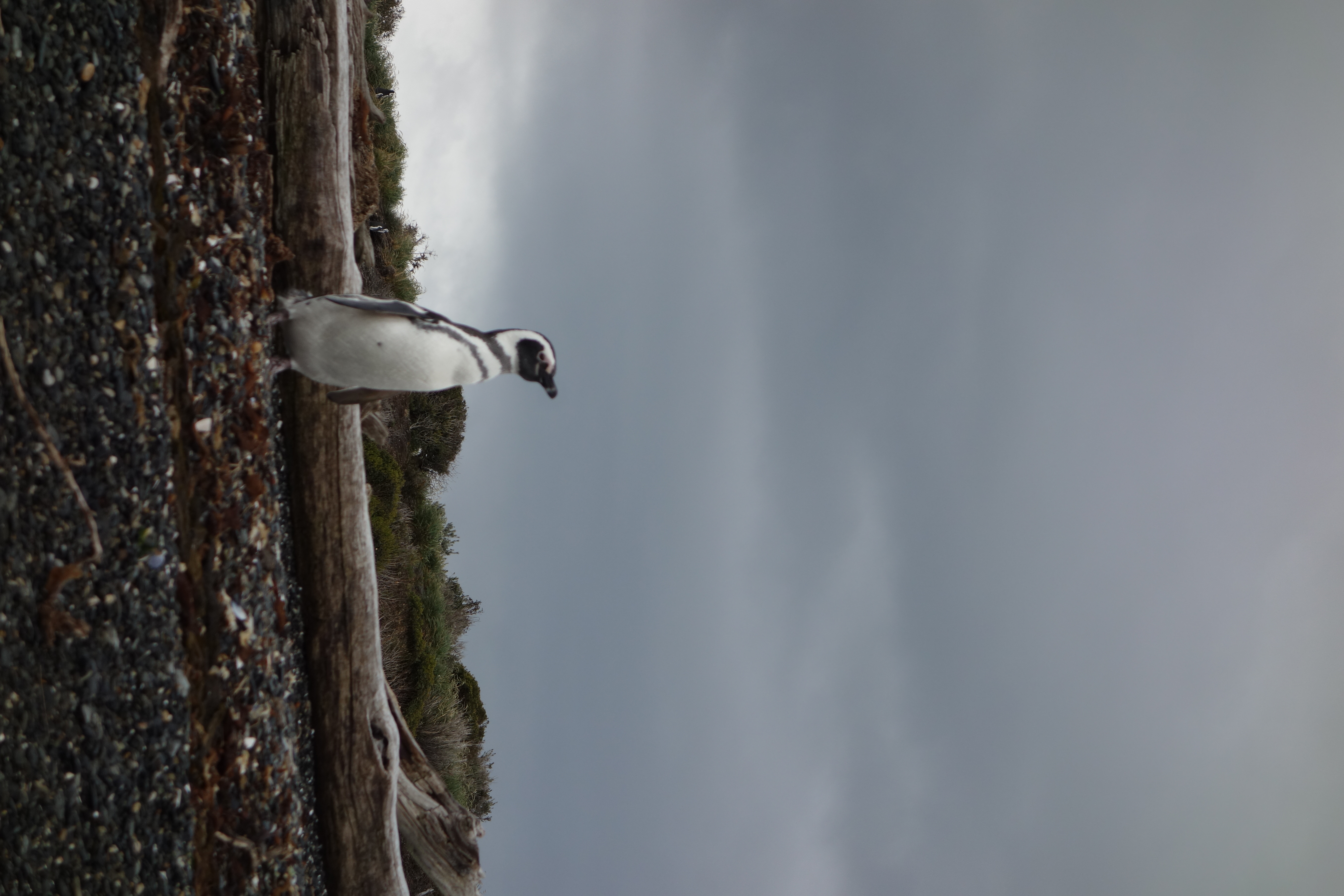
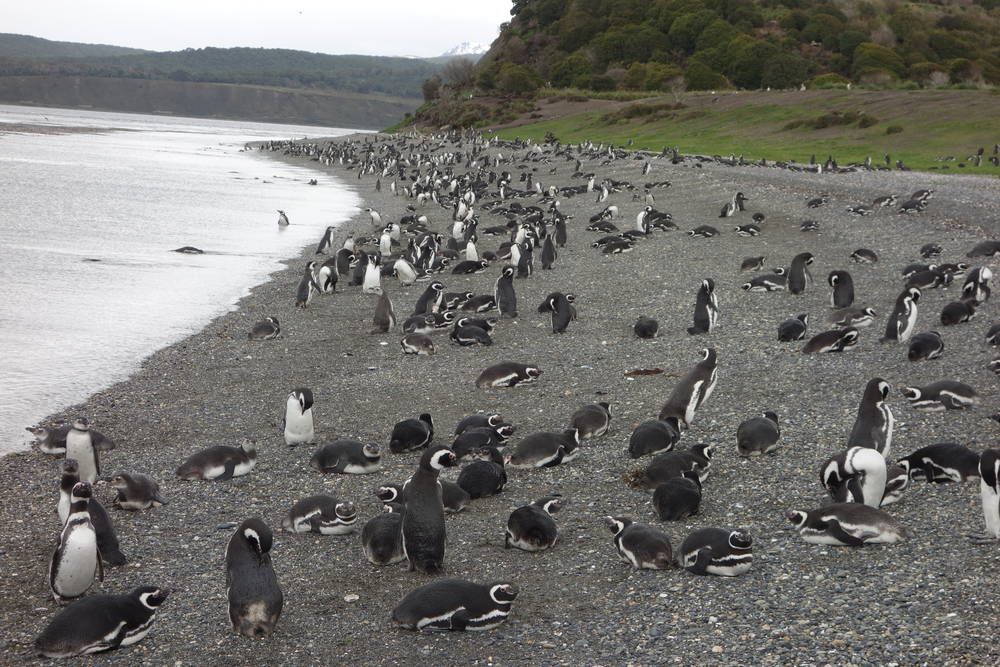
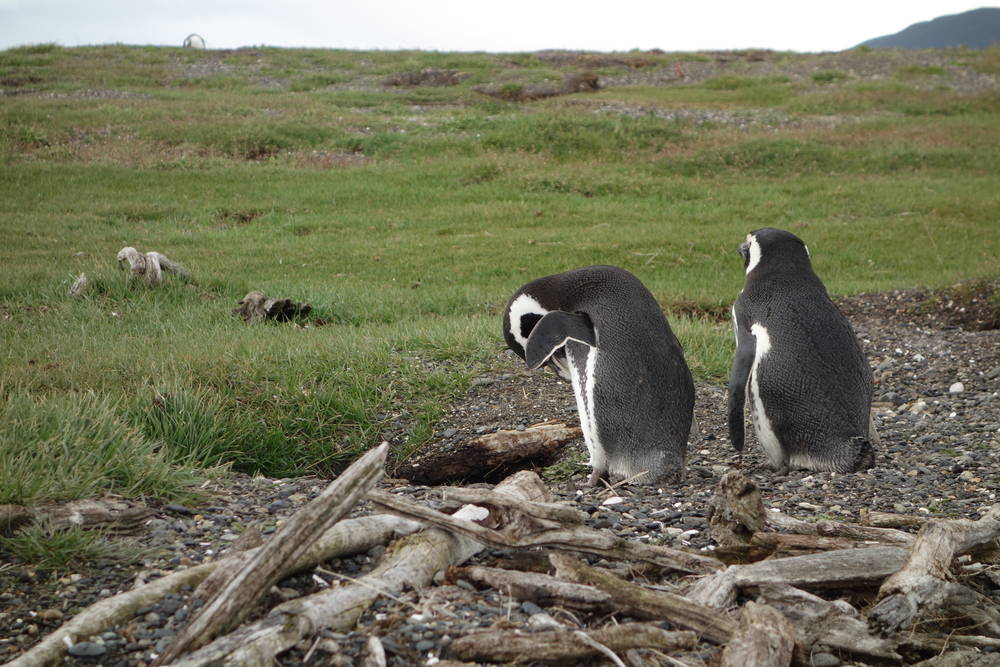
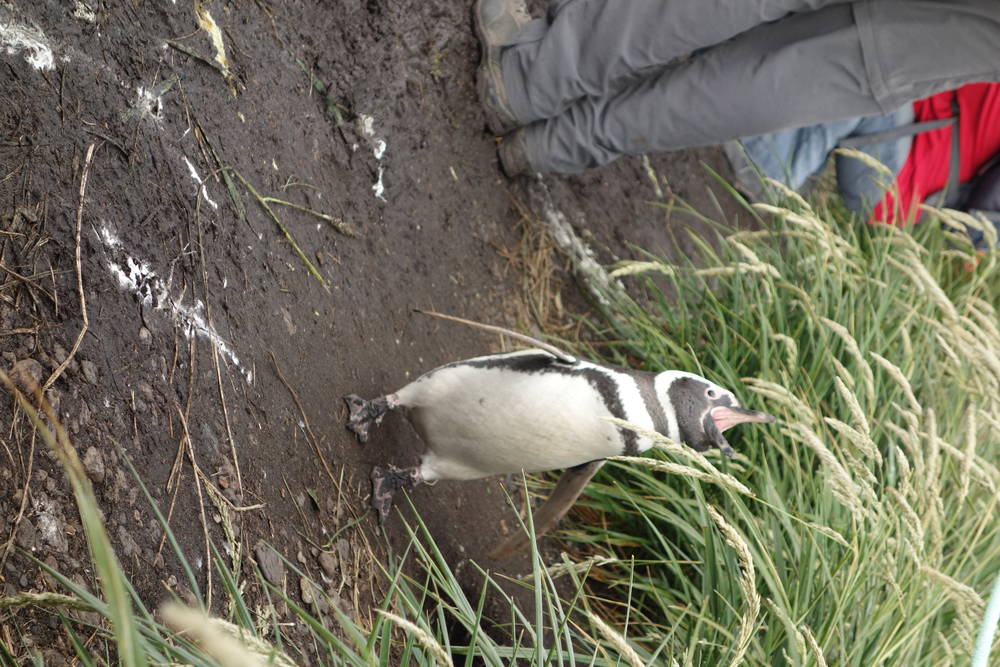
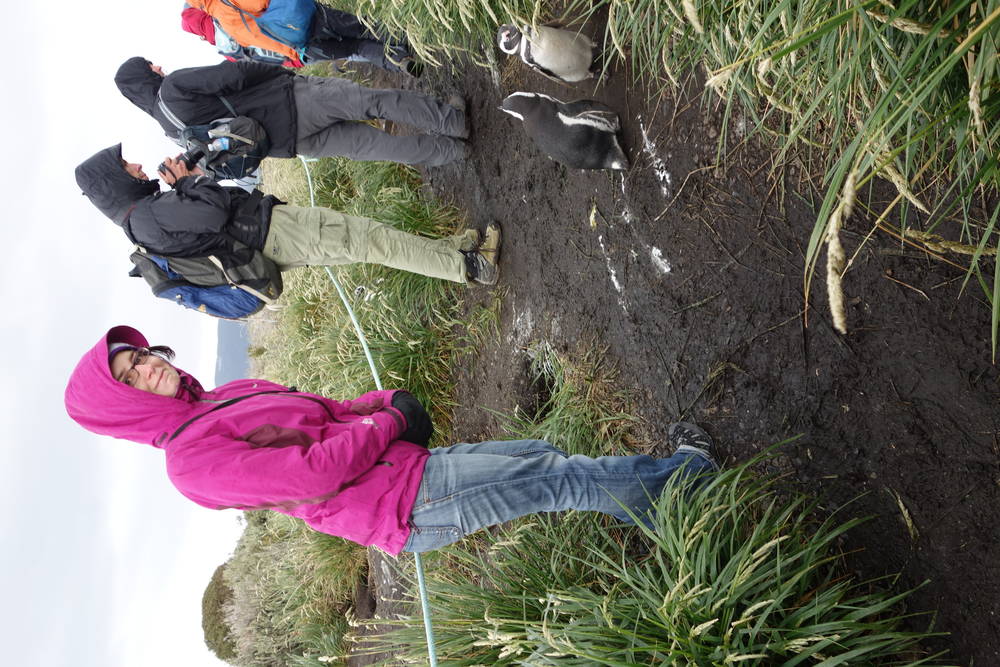
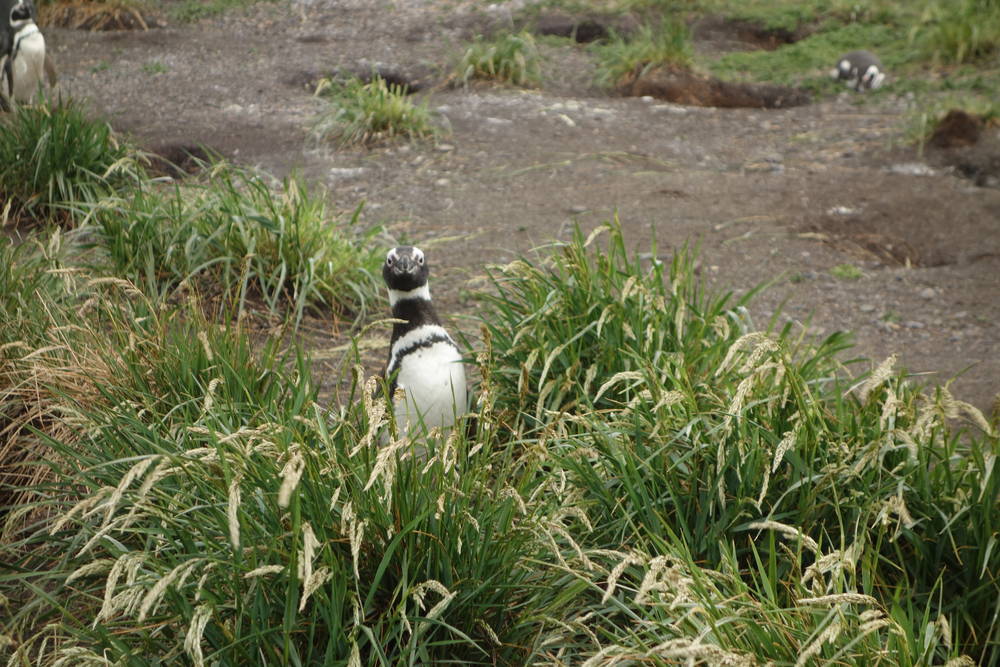
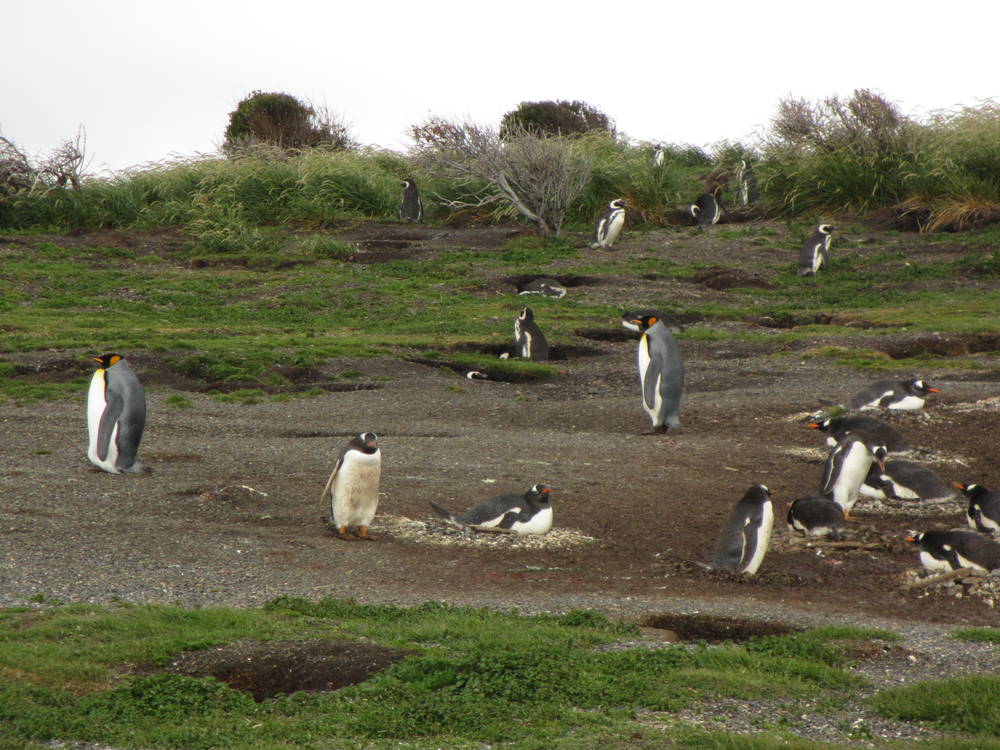
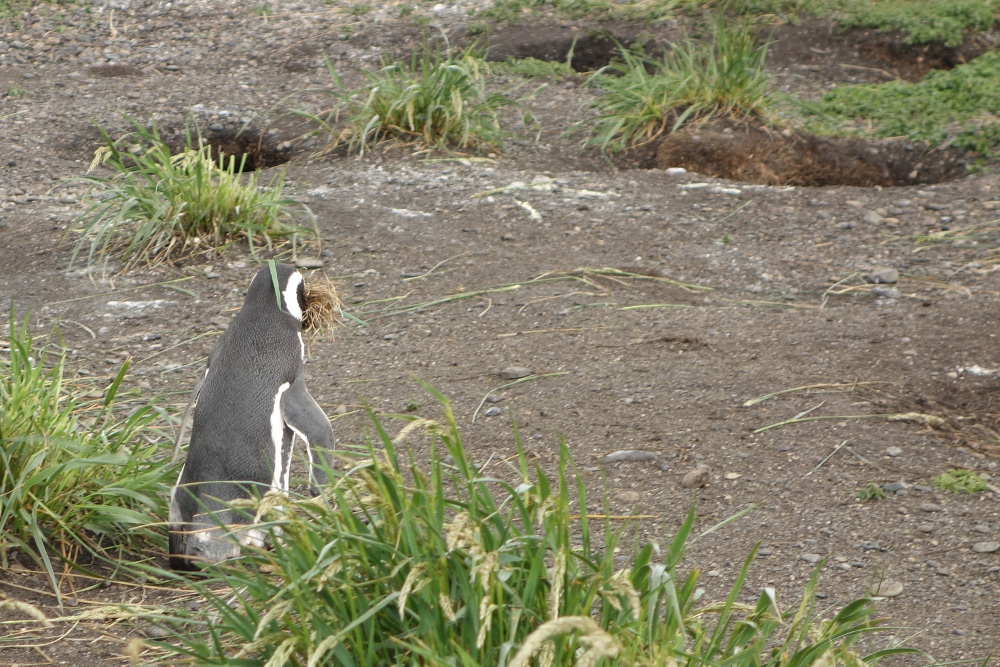
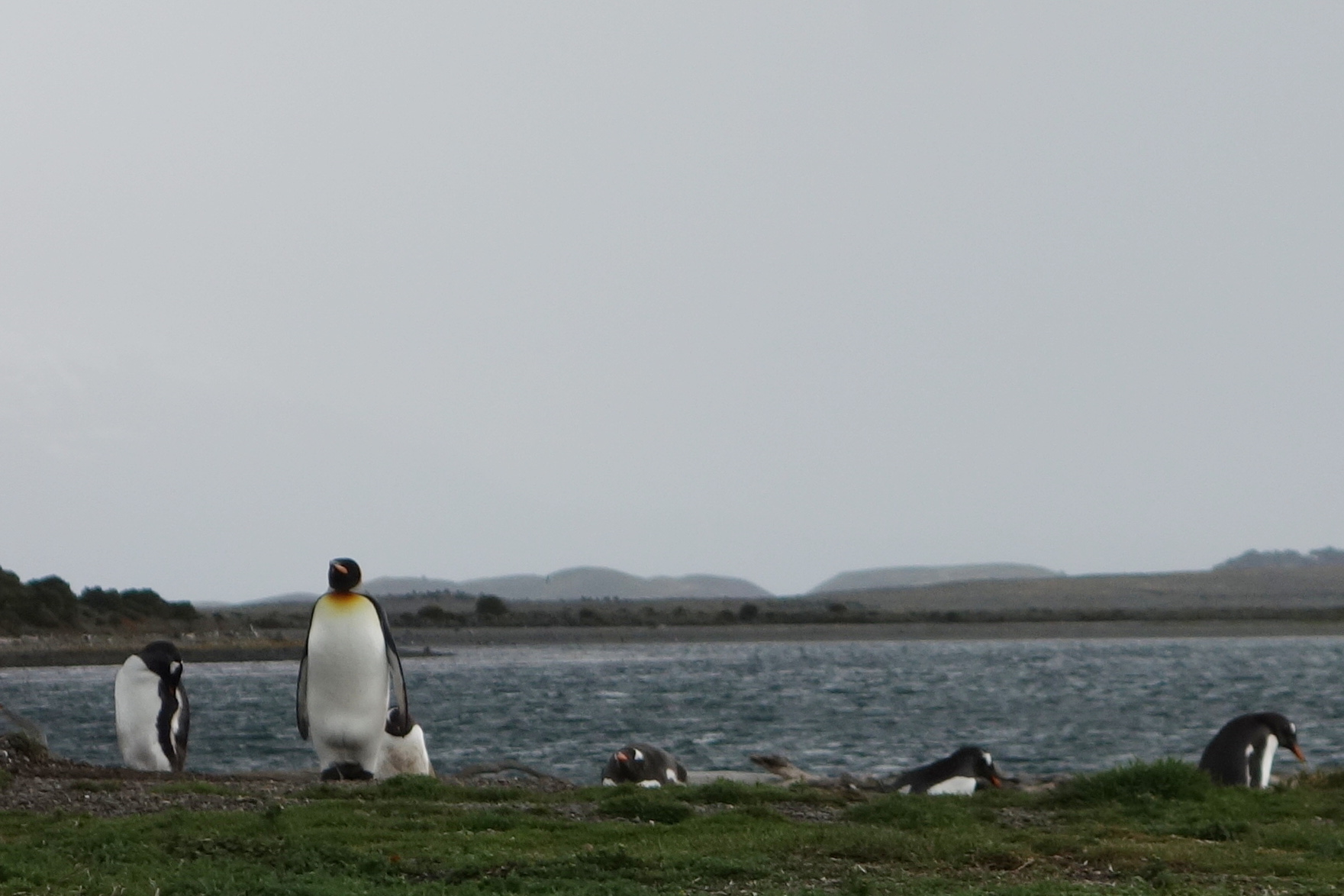
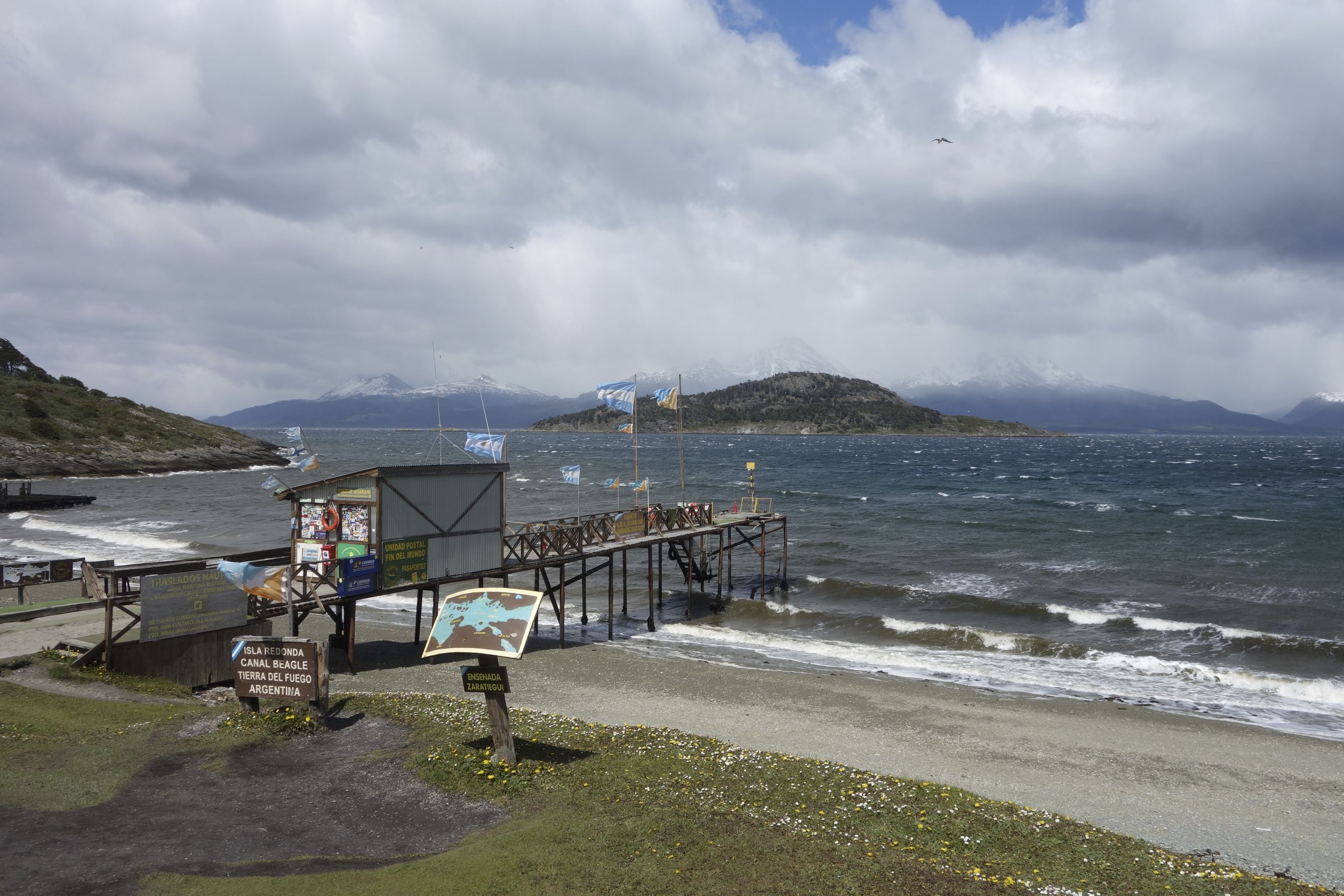
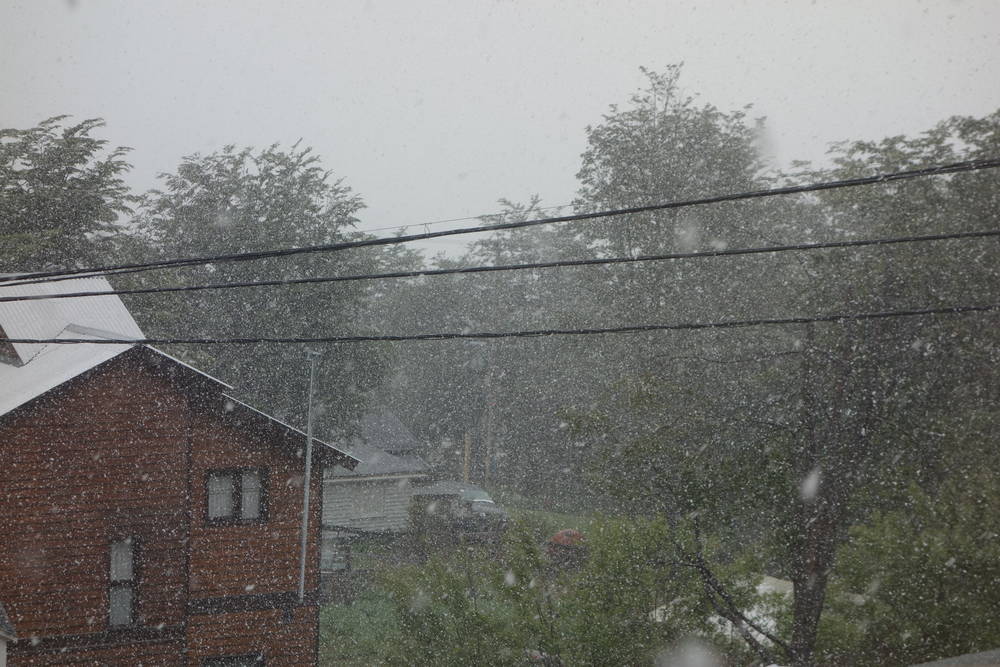
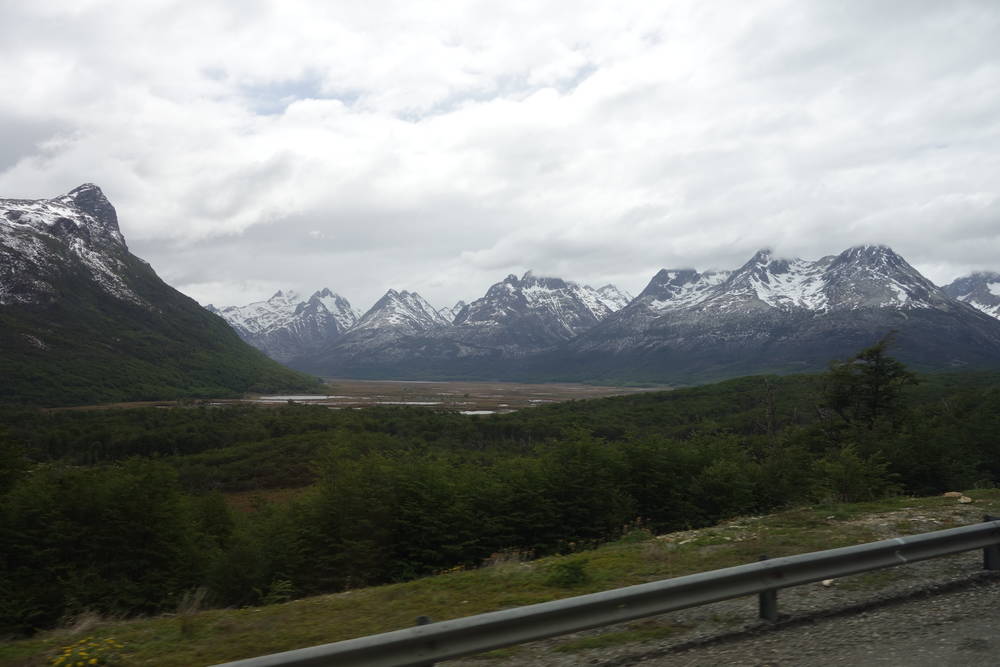
Anyways, when we arrived, a big snow storm welcomed us (they say it was the first time in many years that there was snow in December in Ushuaia) but the area won us over with a very nice penguin island (Isla Martillo), the Tierra del Fuego national park with the post office at the end of the world, and the Beagle Channel.
After Ushuaia, we spent the last 6 days of our trip in Buenos Aires.
Then there also was…

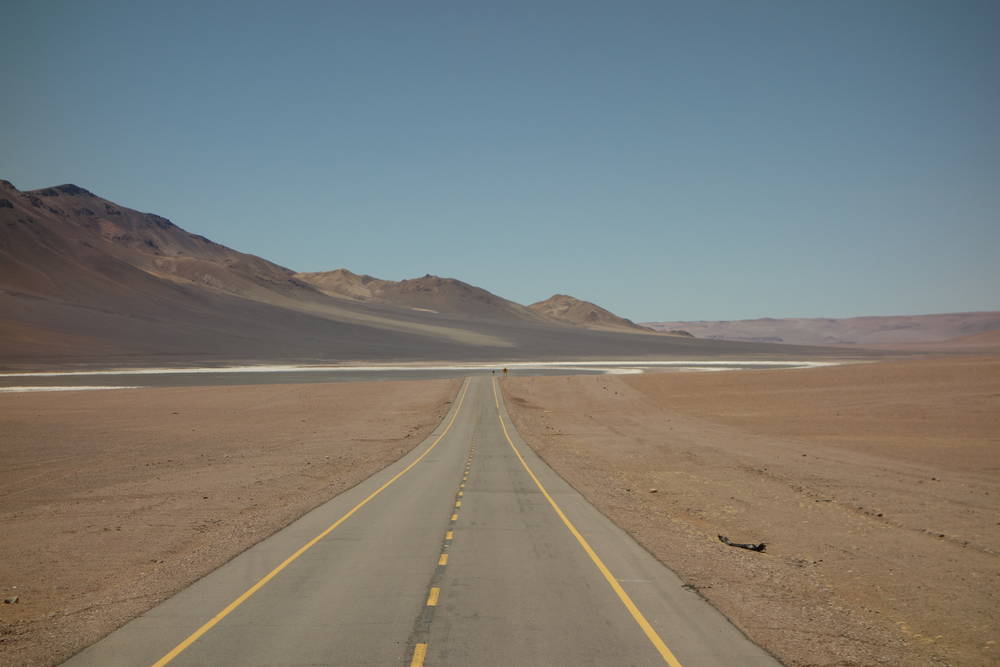
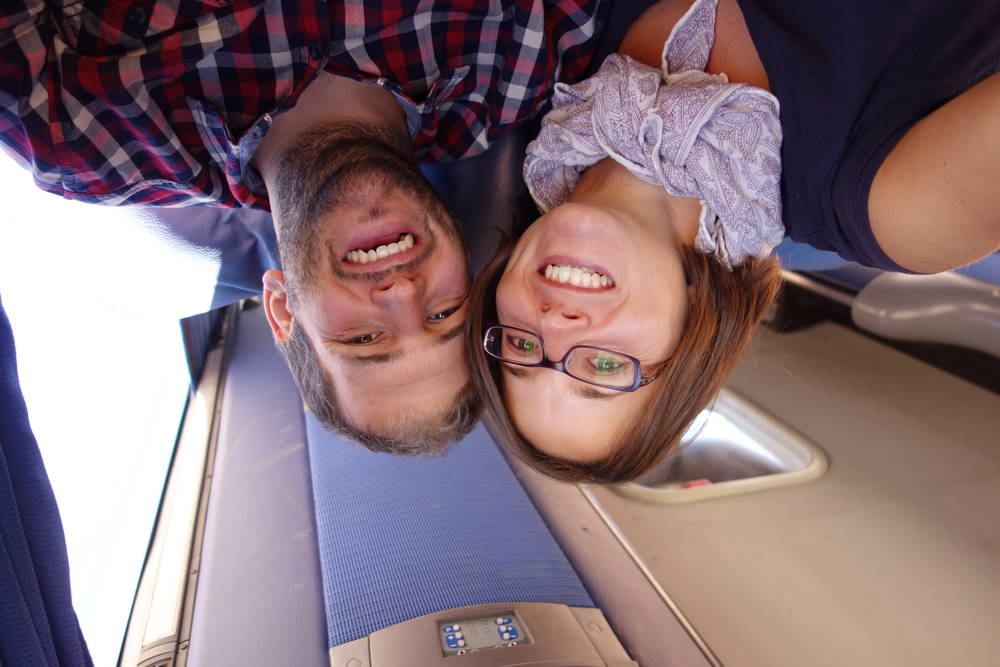
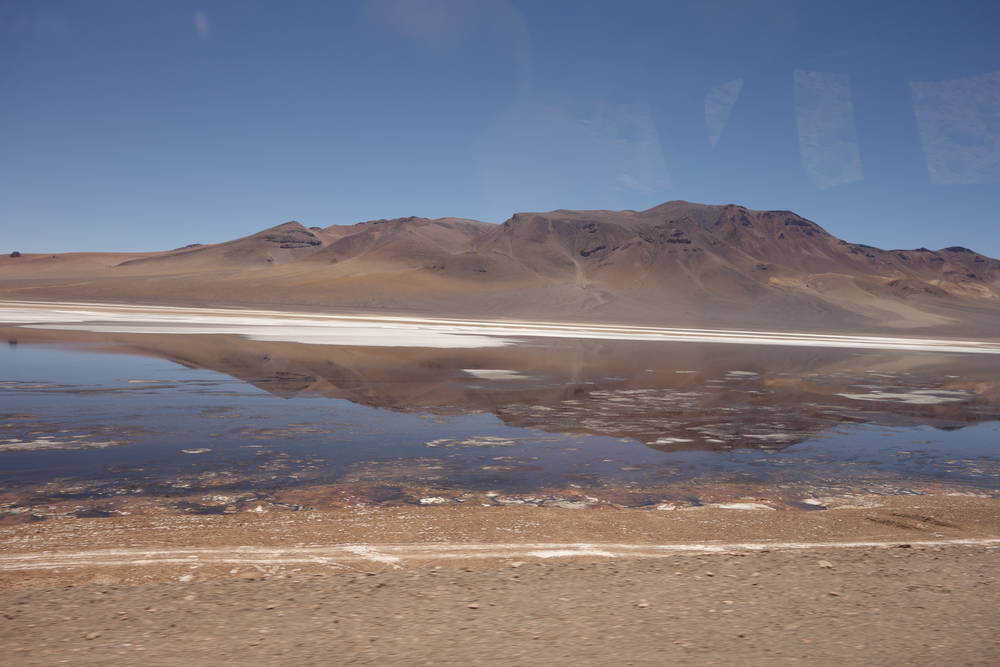
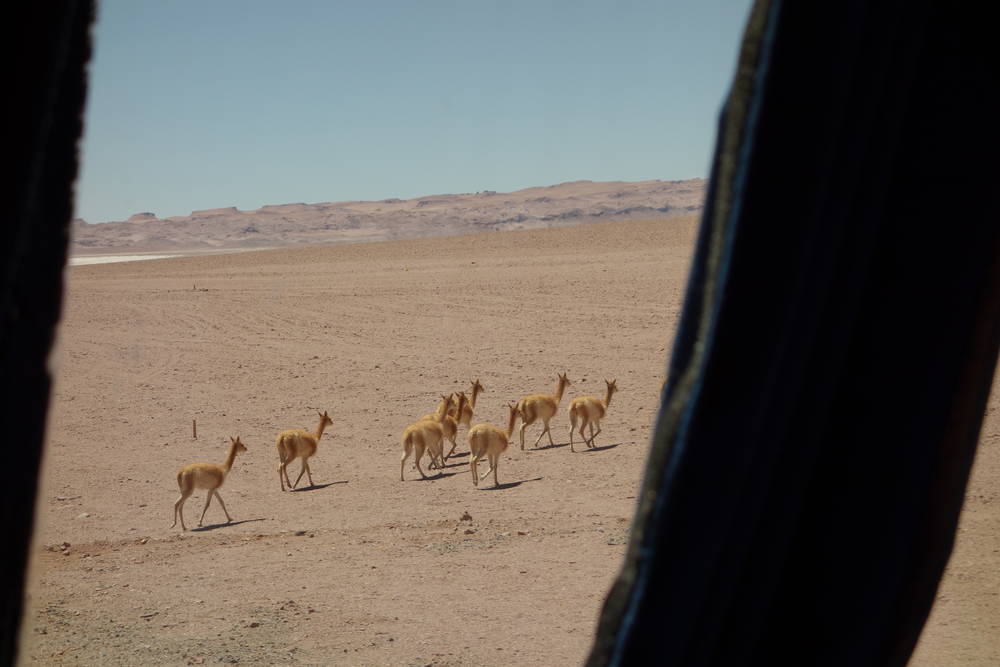
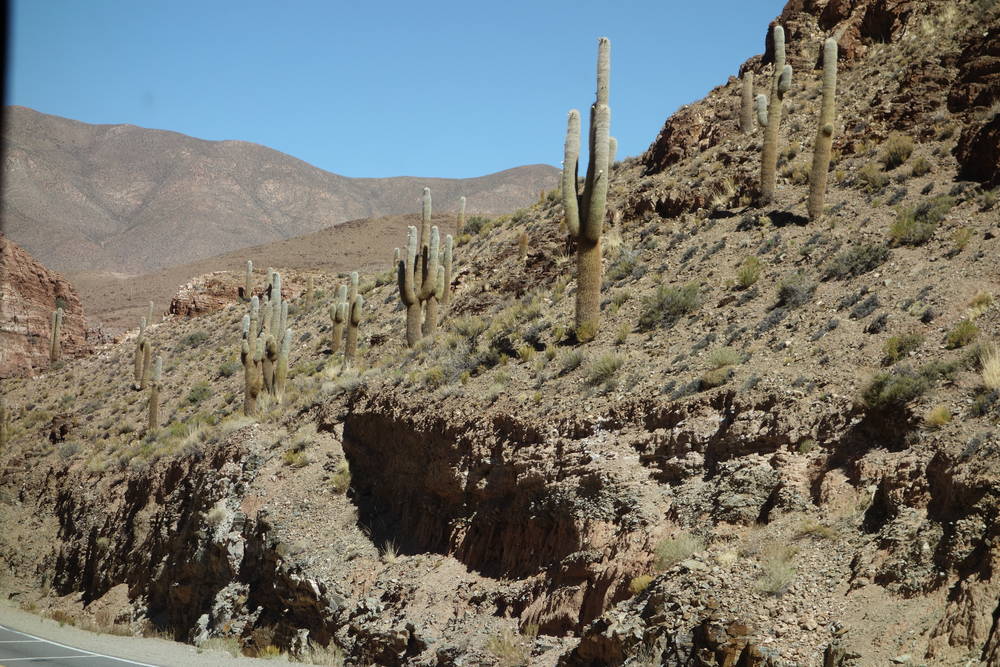
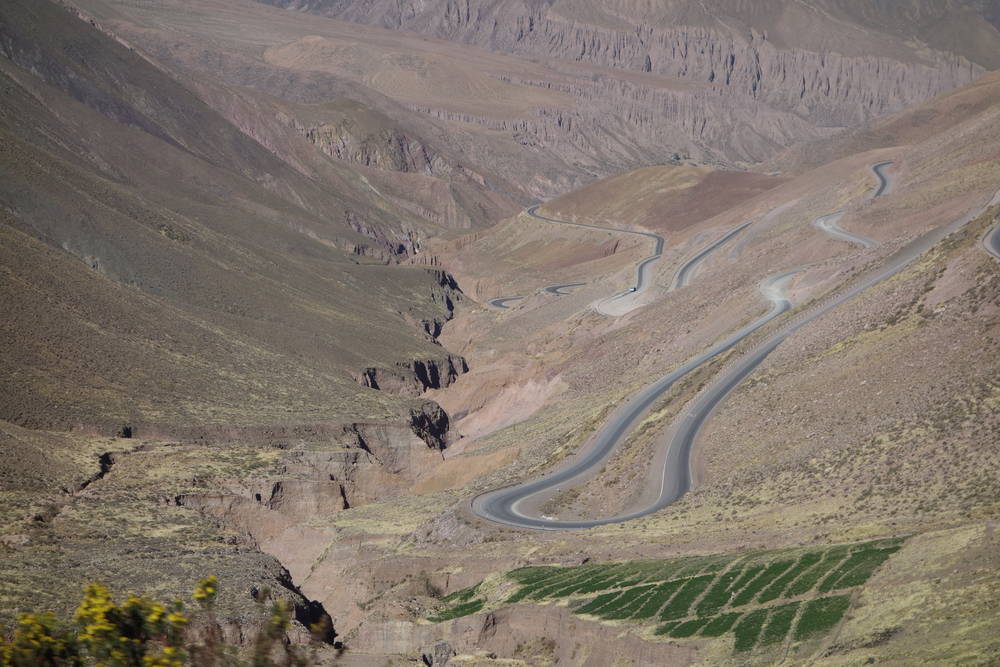
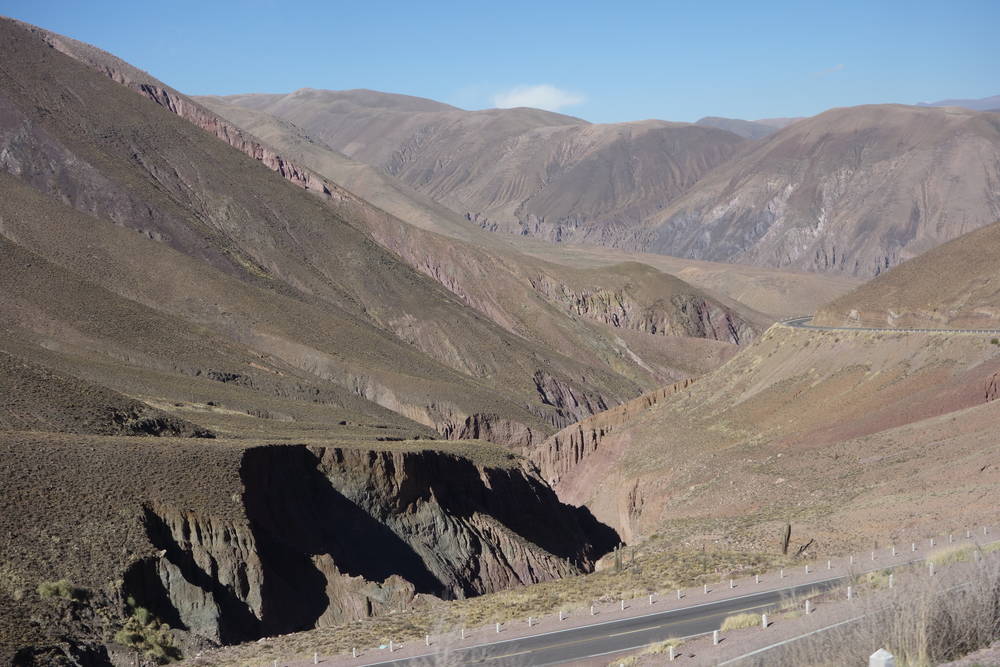
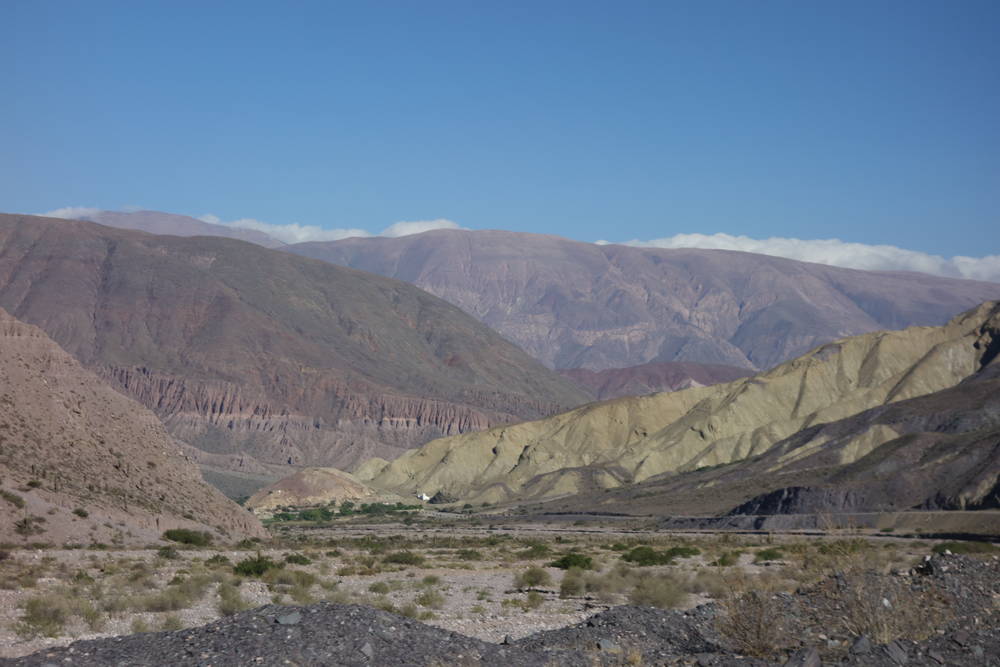
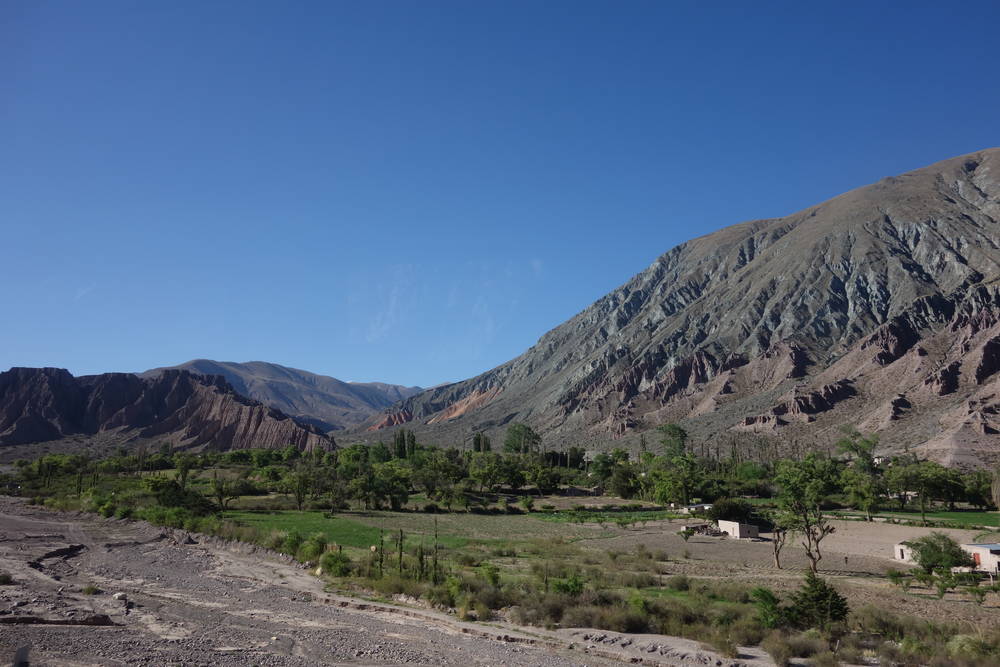
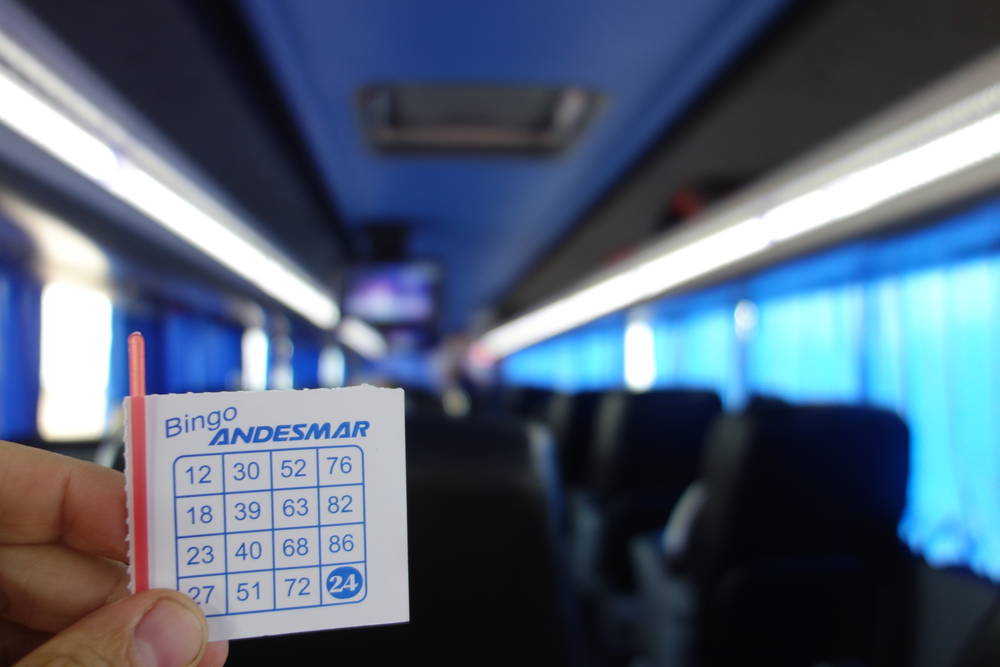
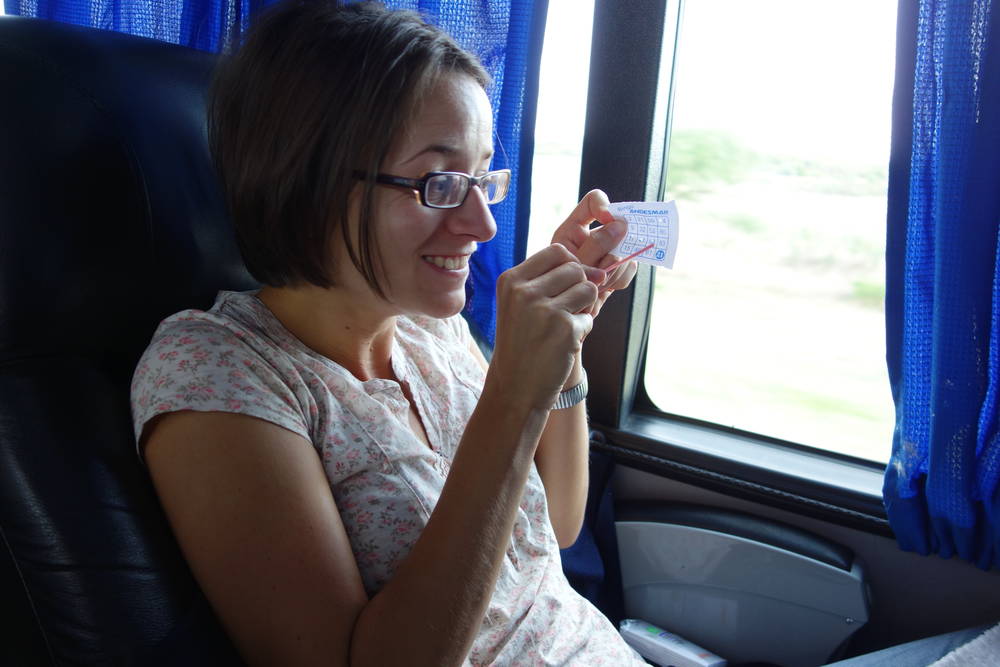
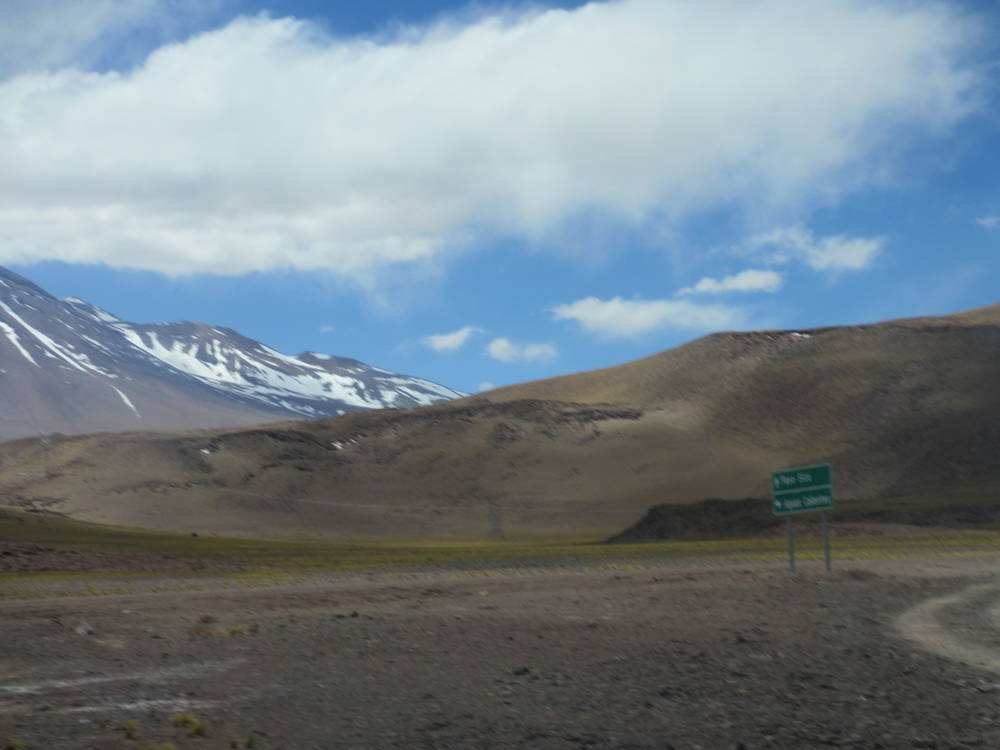
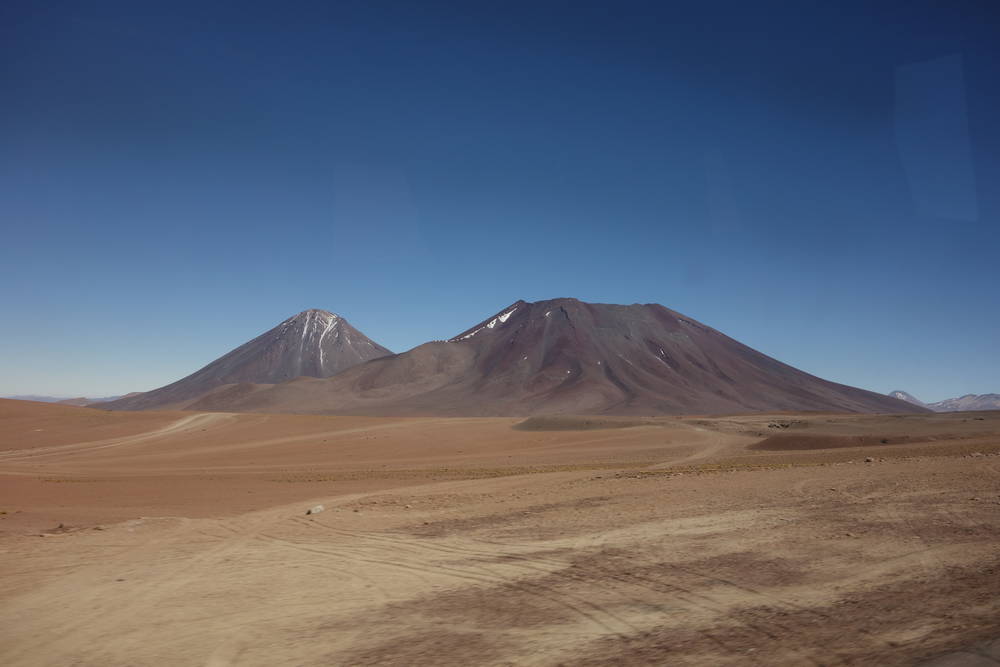
…a spectacular crossing of the Andes from San Pedro de Atacama in Chile to Saltain the north of Argentina (which makes even a 10 hour bus ride seem short):

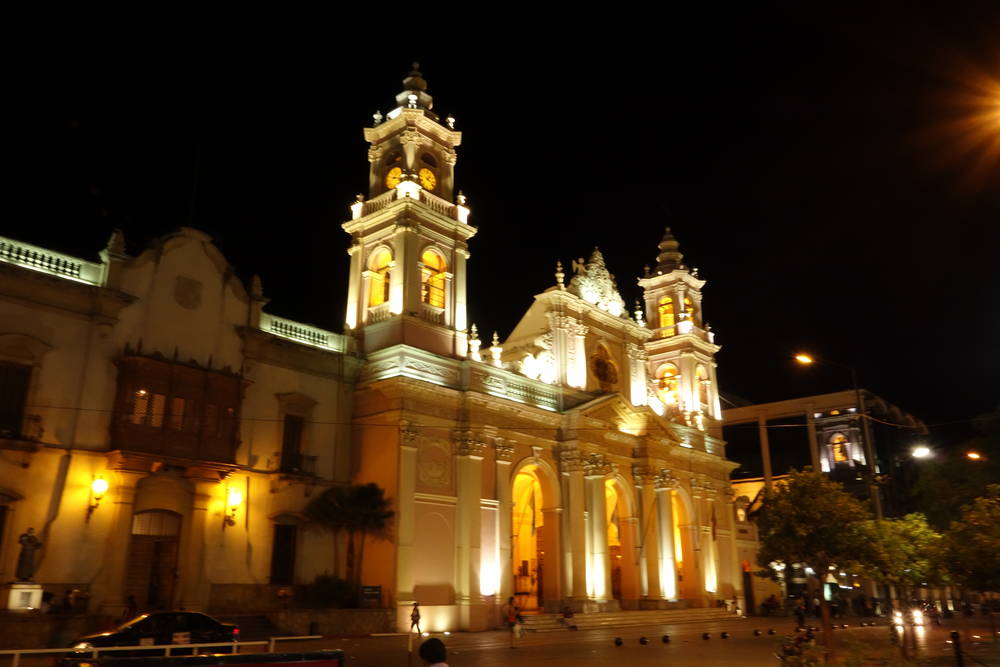
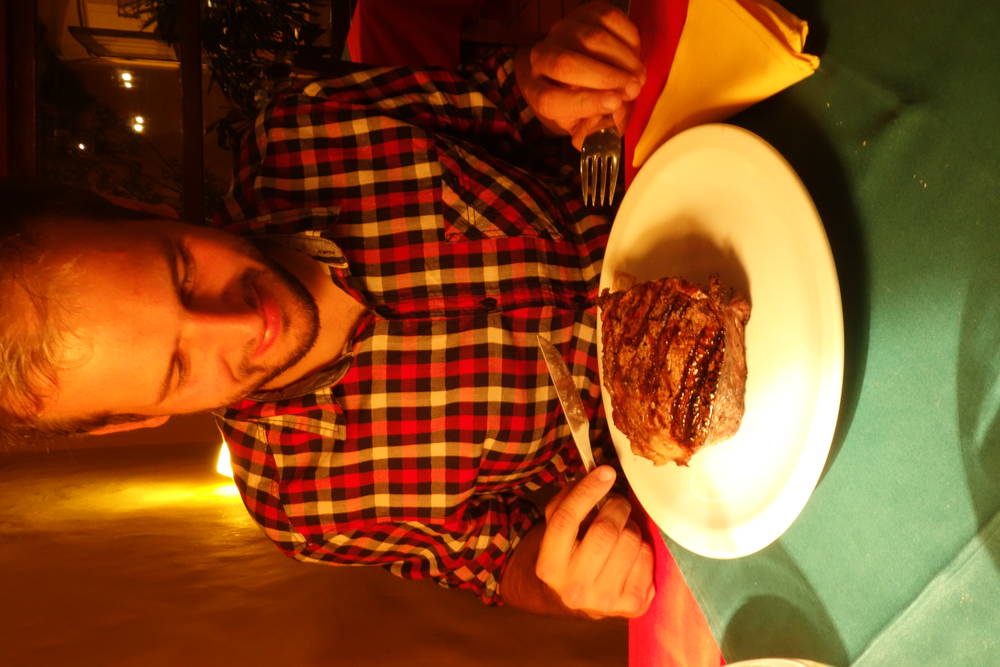
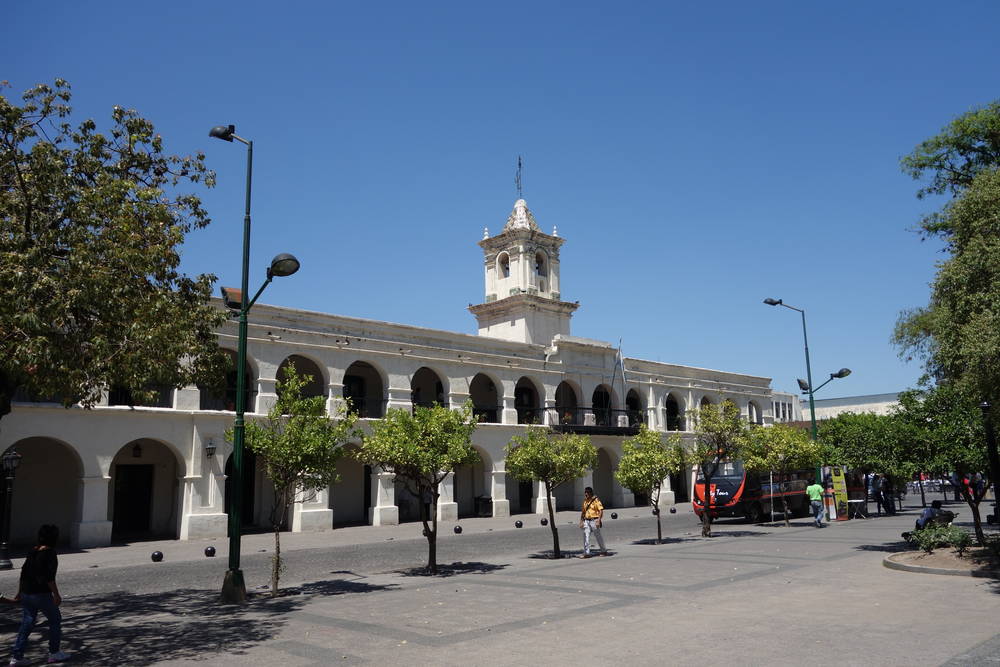
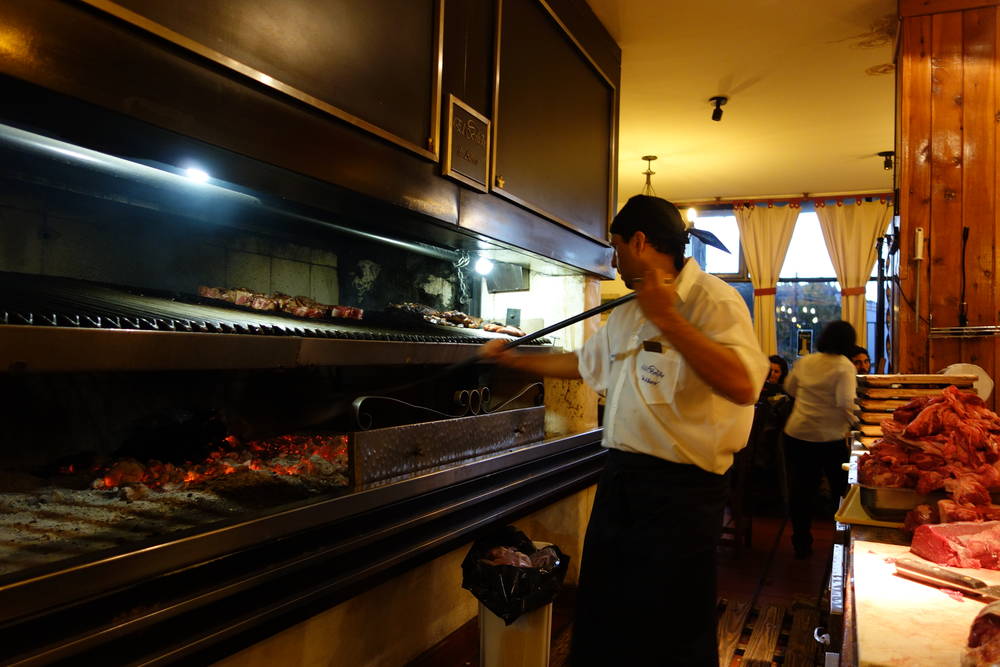
…a few days in the nice Salta, with our first steak in Argentina.

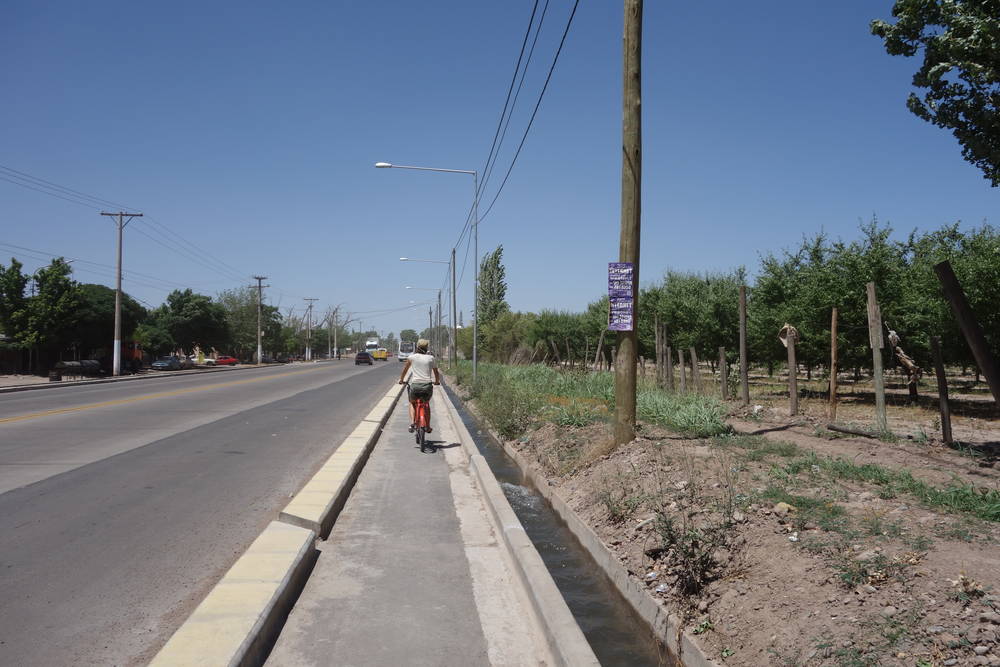
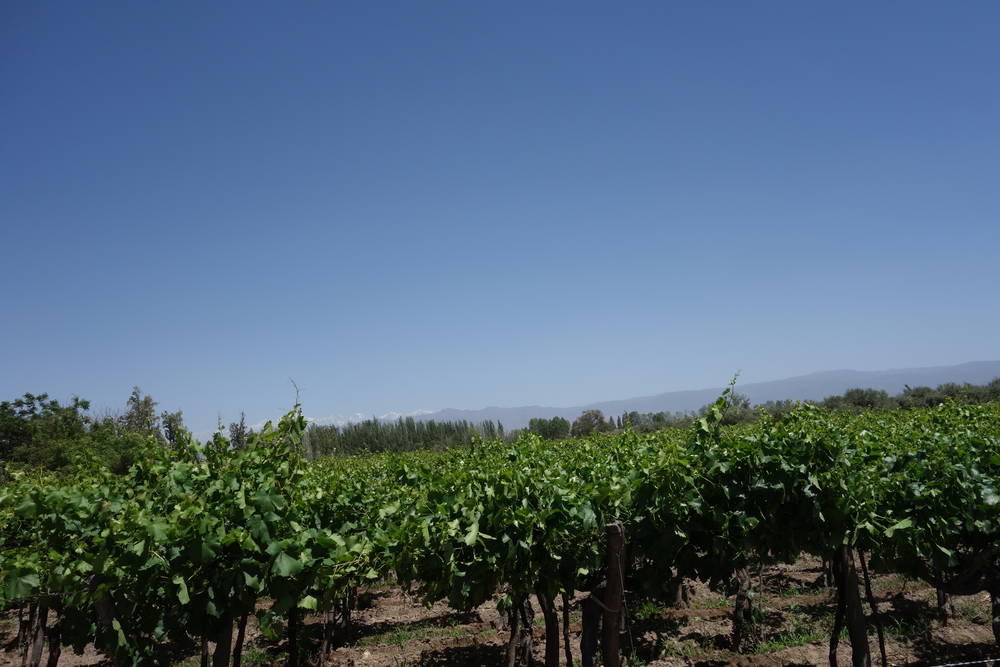
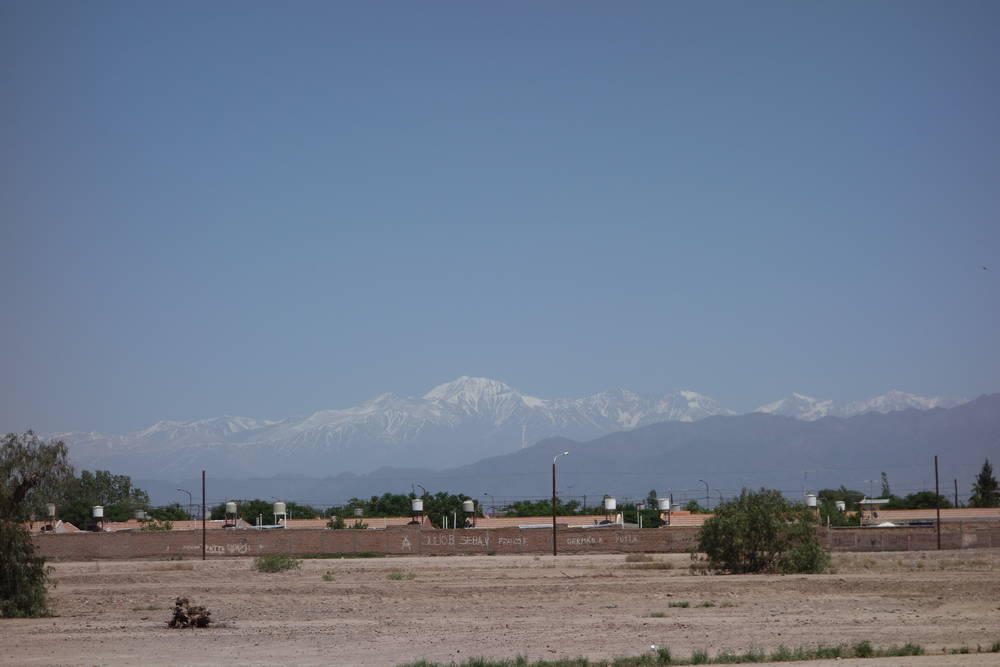
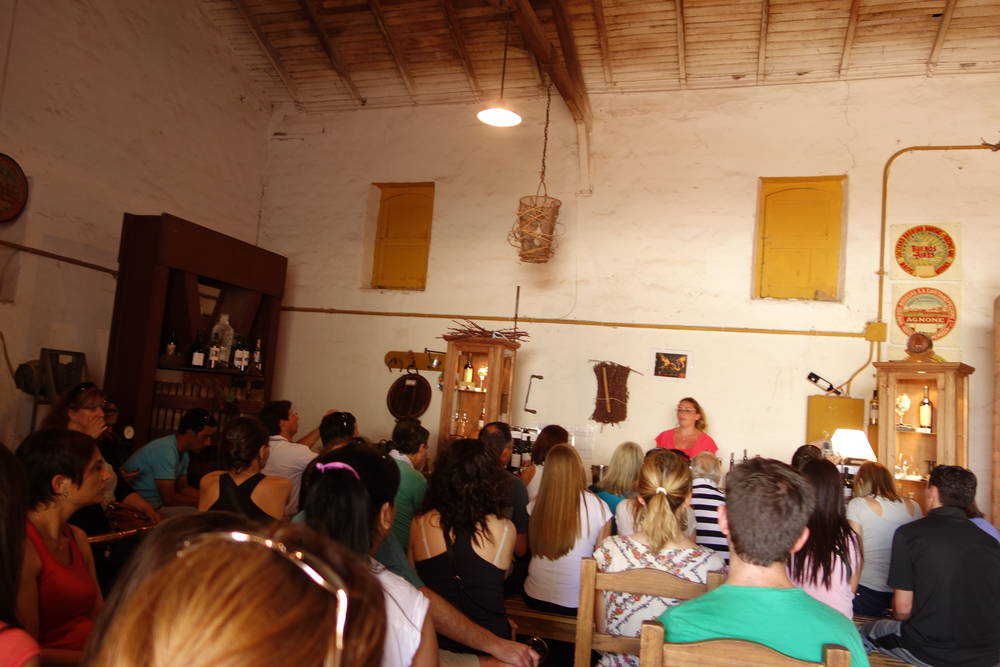
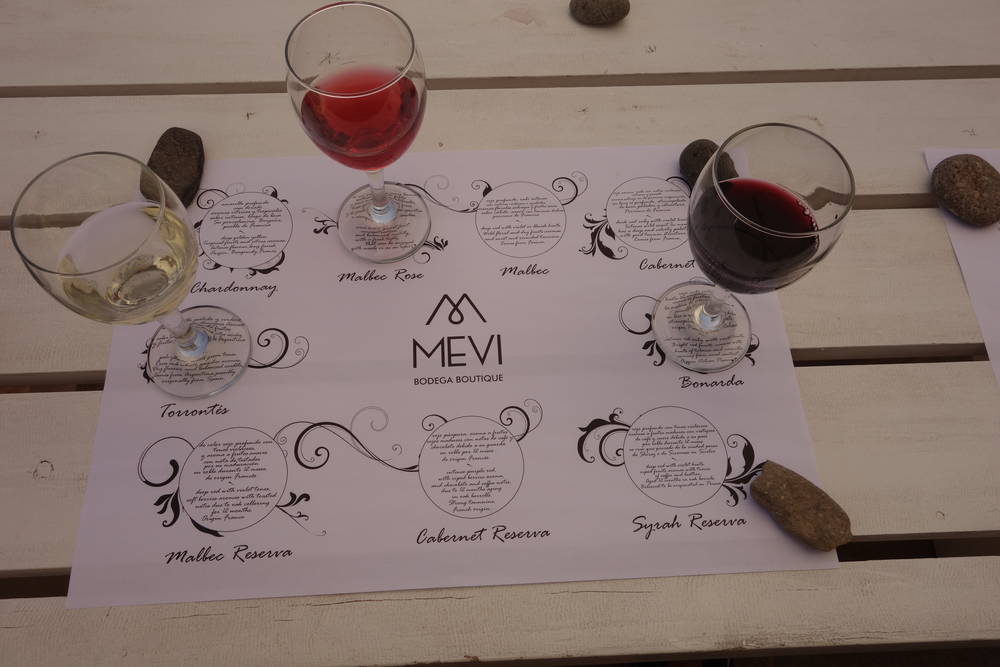
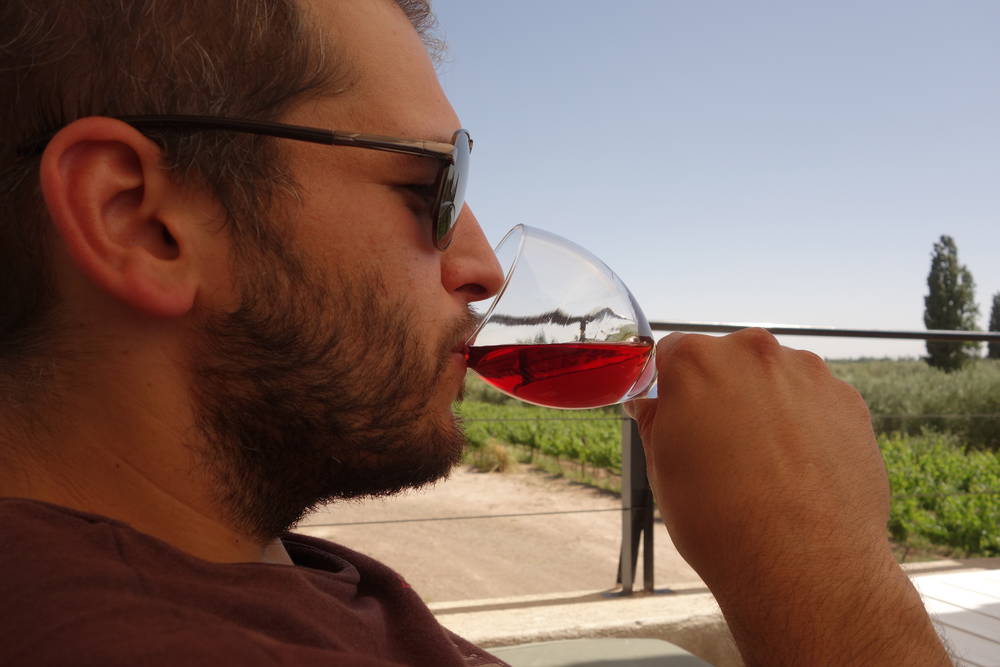
…a cycling tour through the vinyards of Mendoza.

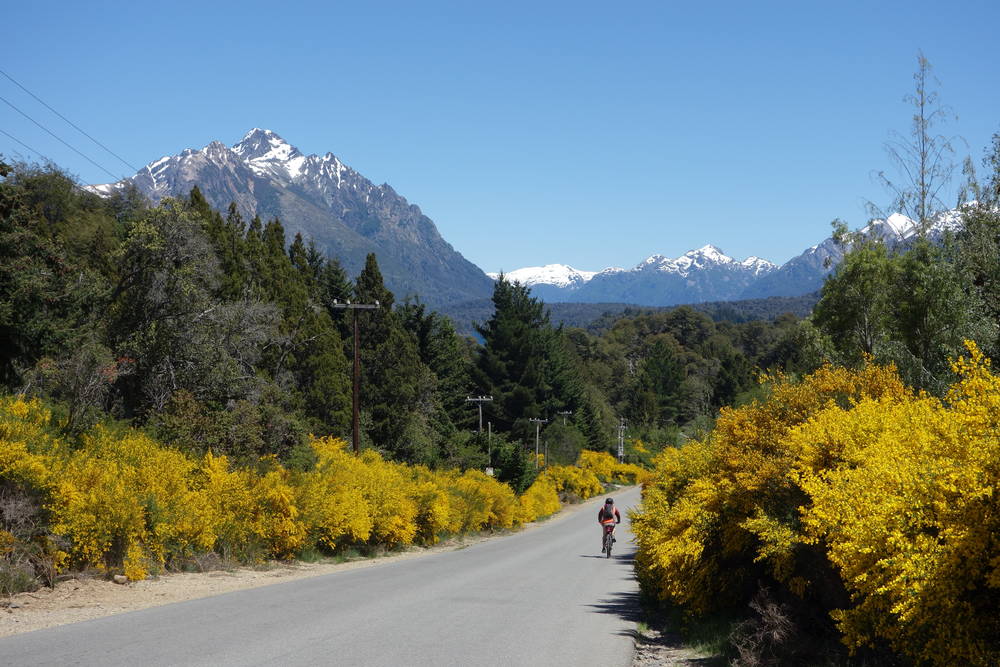
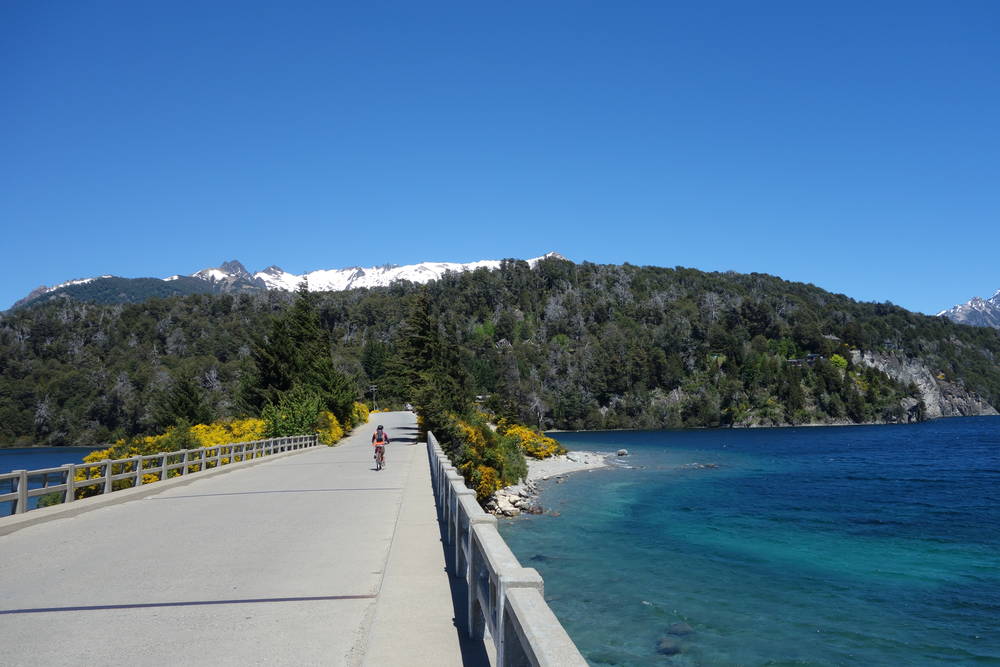
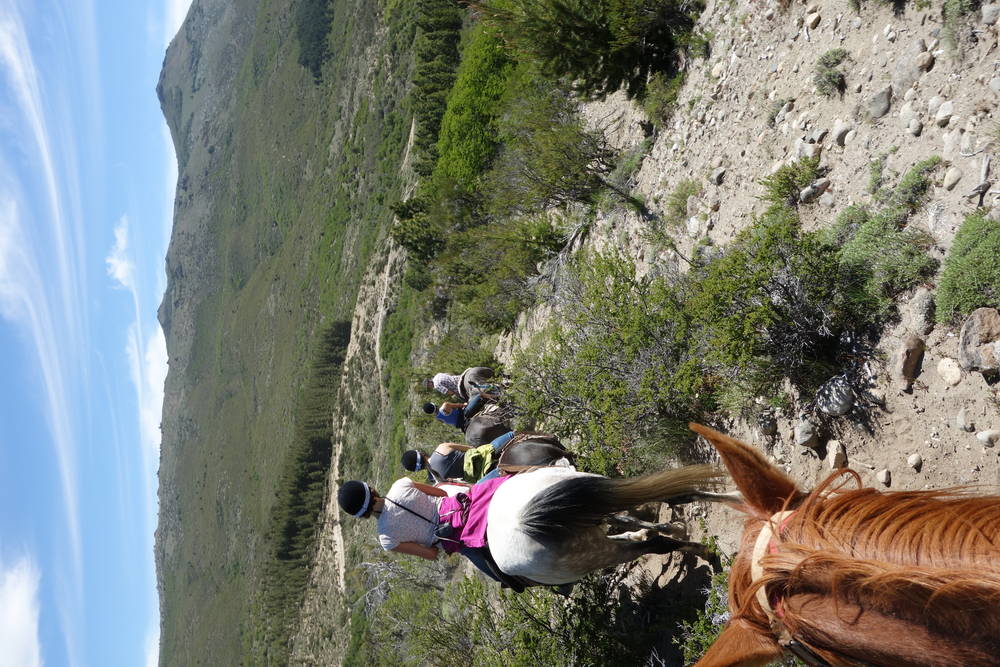
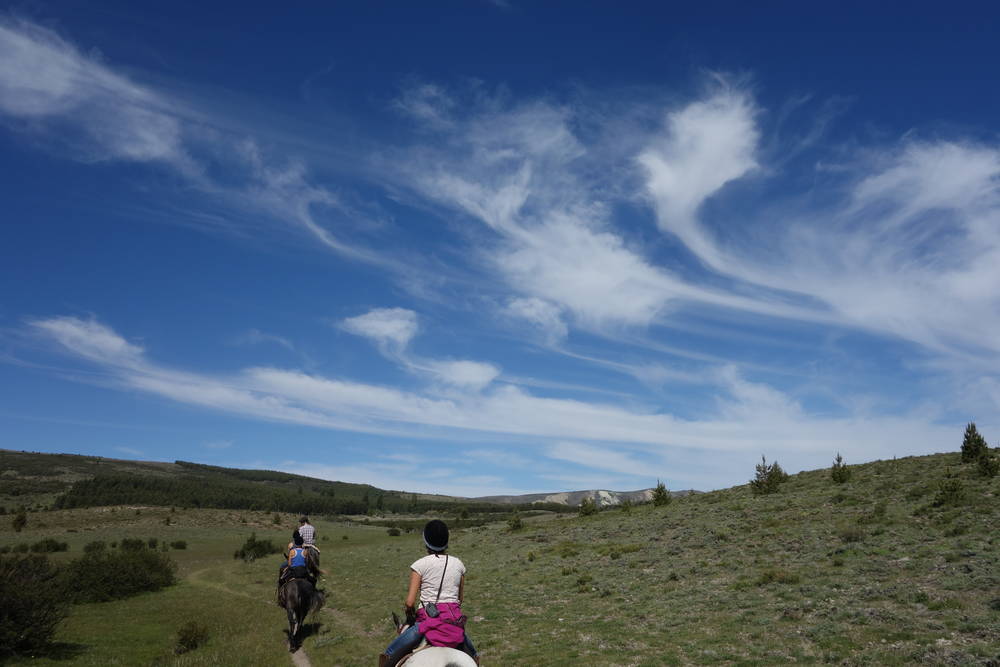
…cycling and horseback riding in Bariloche, little Switzerland within Argentina.

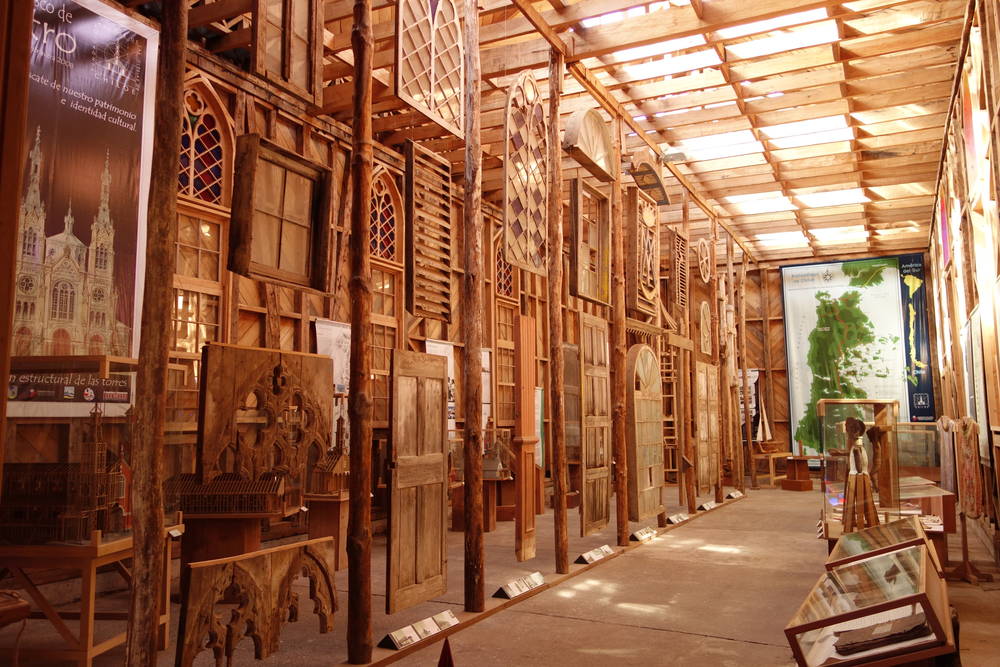
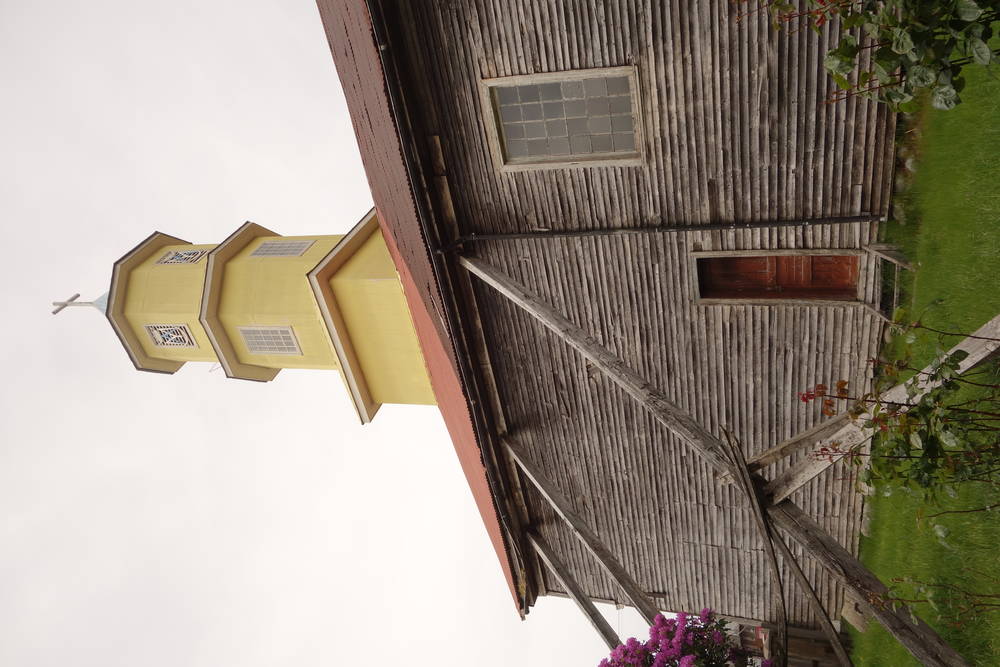
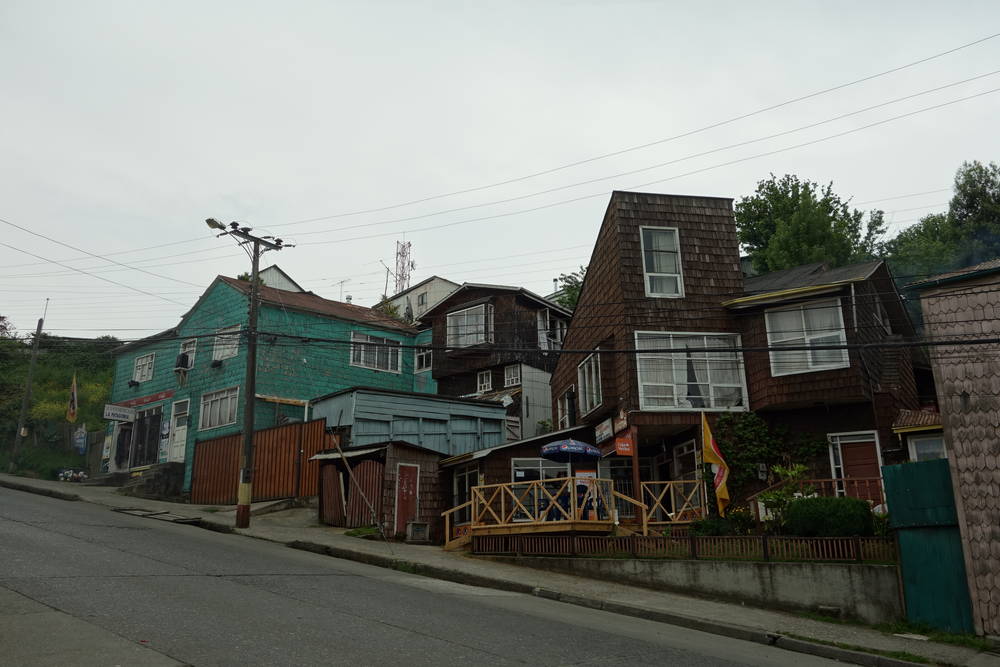
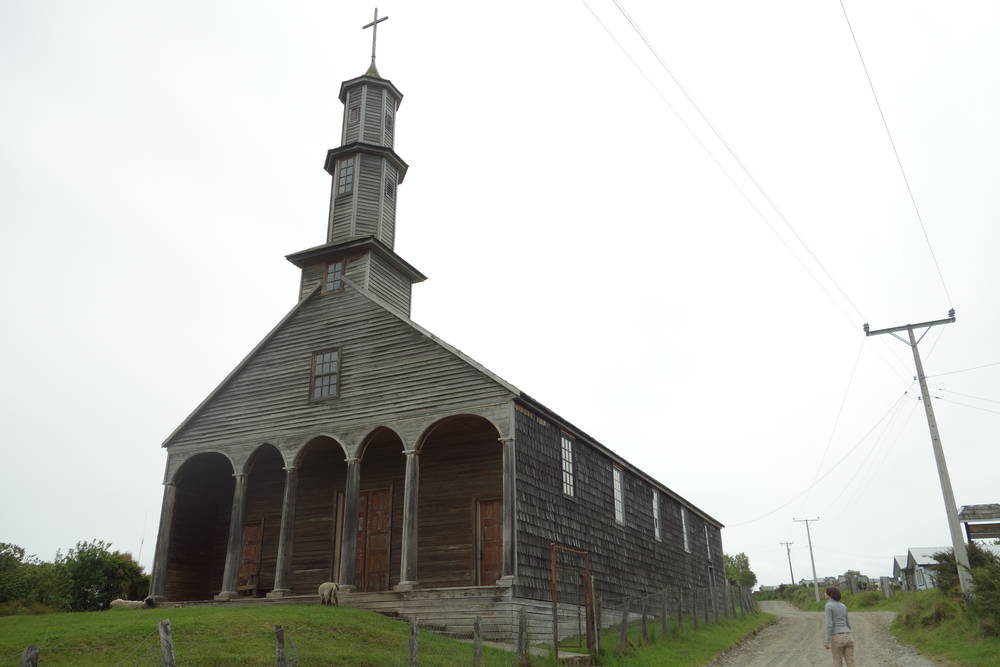
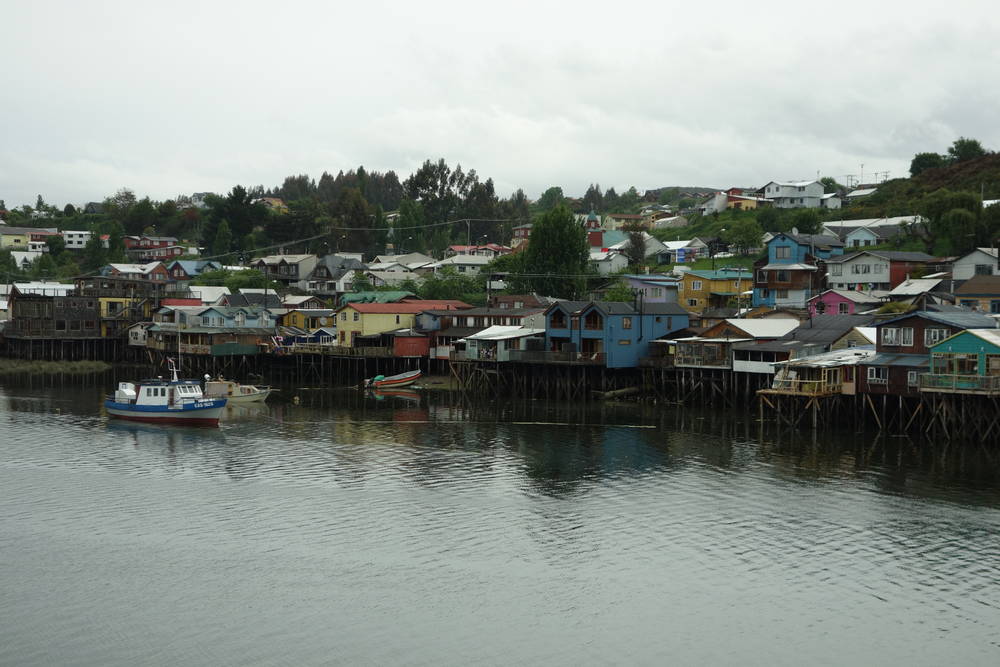
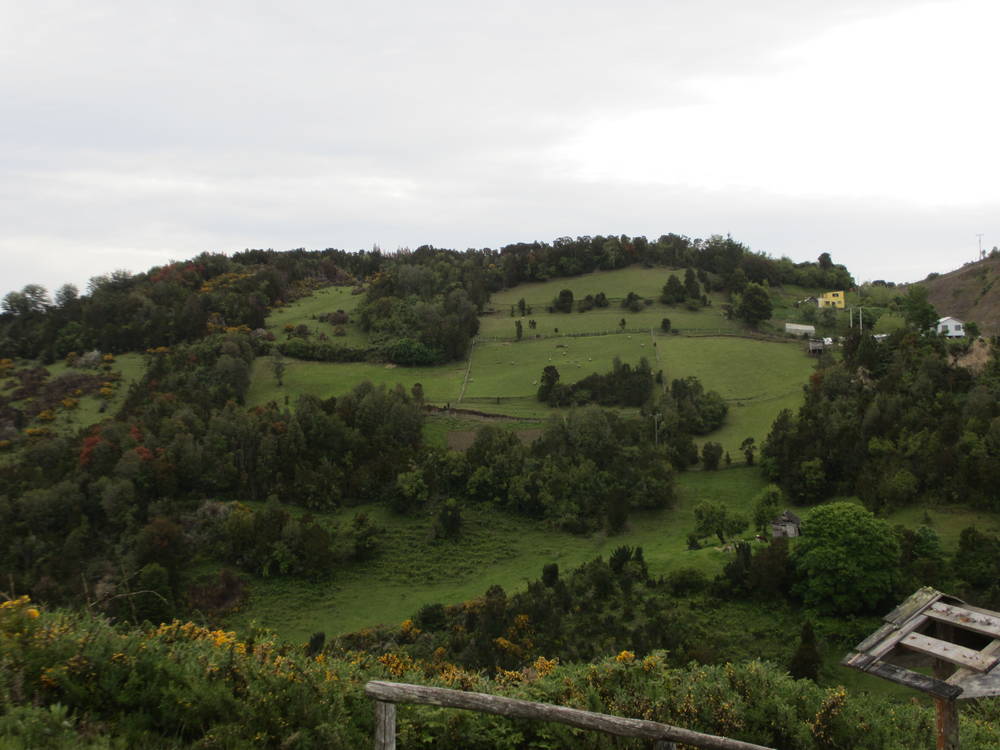
…and, back again in Chile, the nice island of Chiloé with its wooden churches and Palafitos (houses on stilts).

By now we are in a place even further south, in Punta Arenas. Tomorrow we continue to Puerto Natales and will pay a visit to the – (we expect) quite over-hyped – national park Torres del Paine.. Let’s wait and see..

San Pedro de Atacama: Volcanos, Desert and a lot of Salt

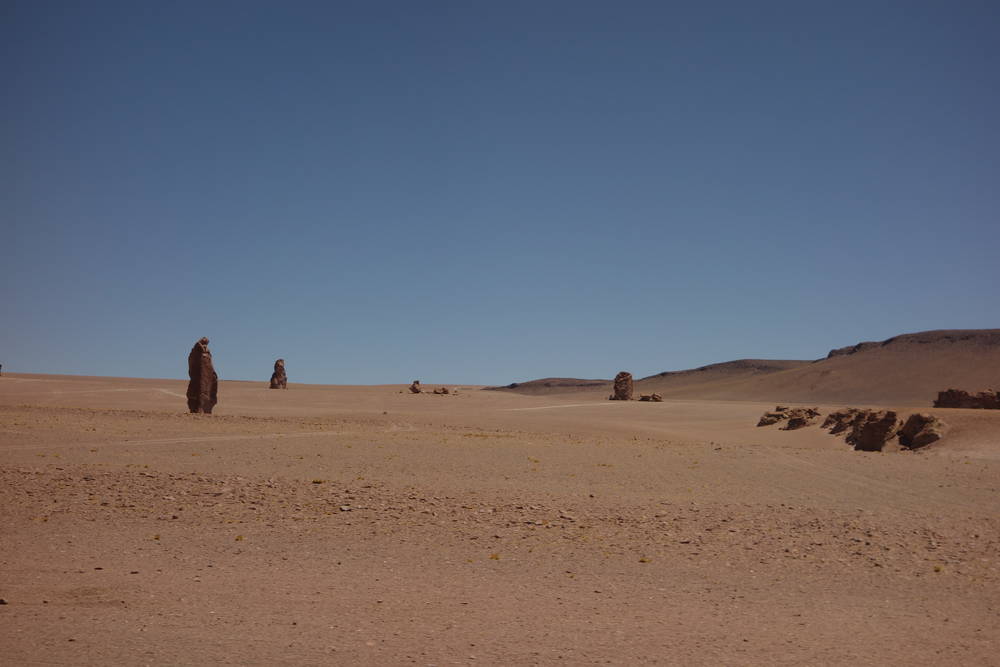
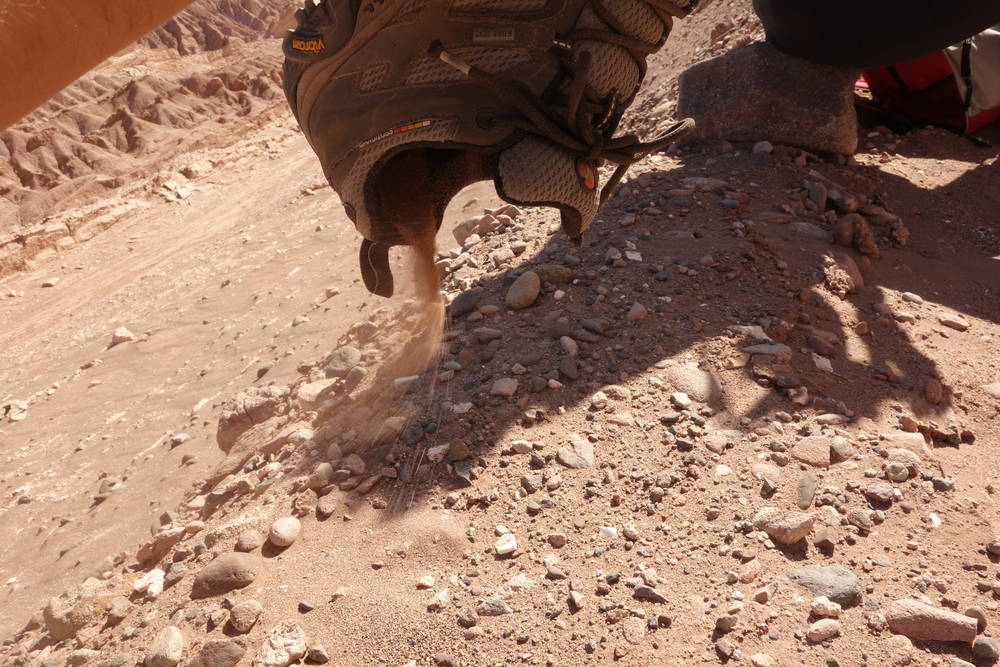
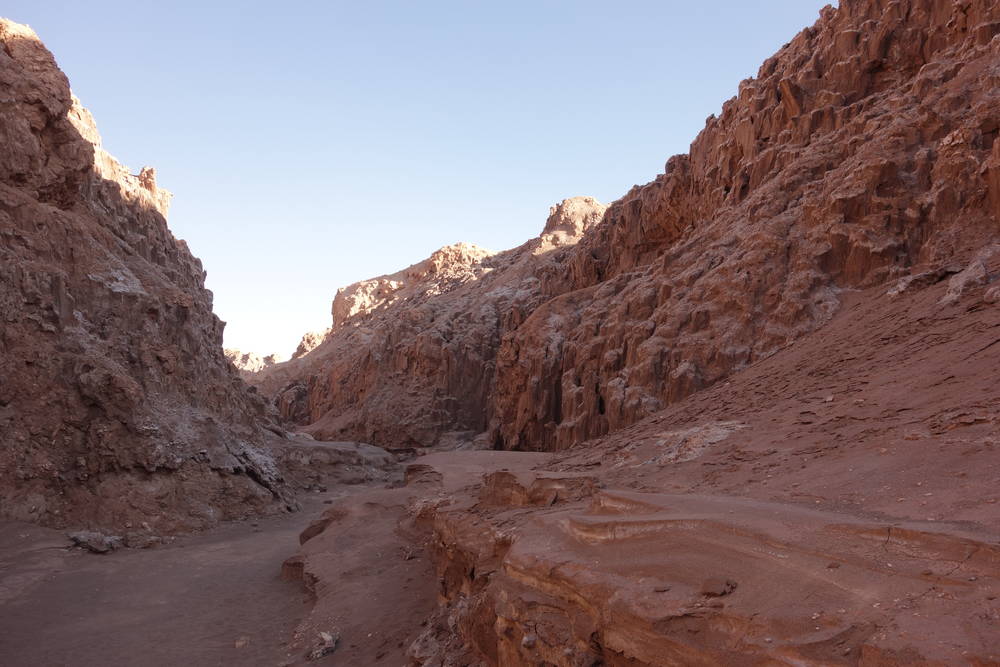
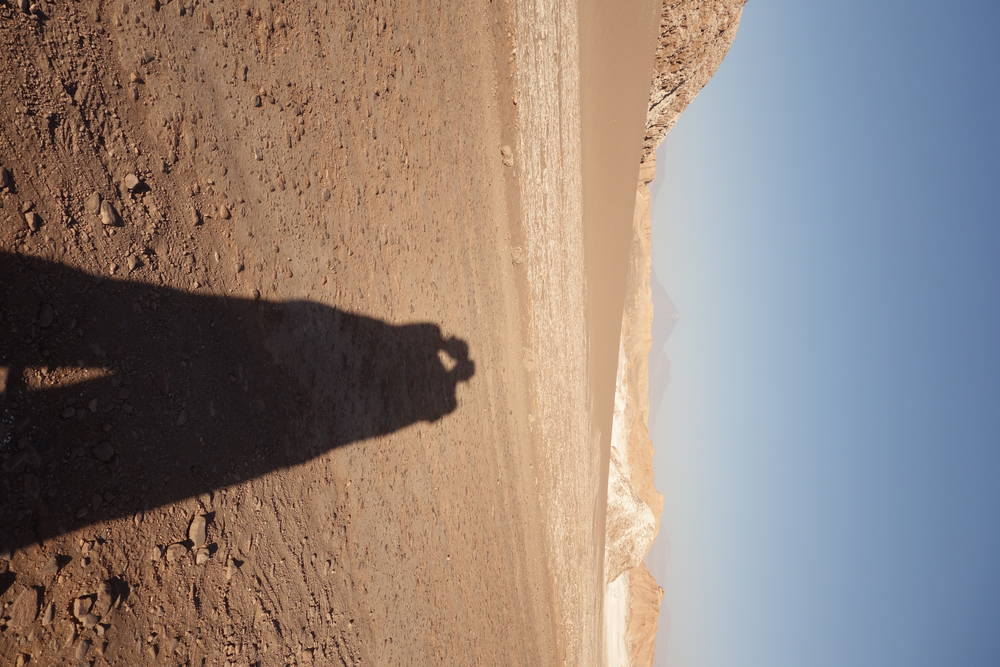
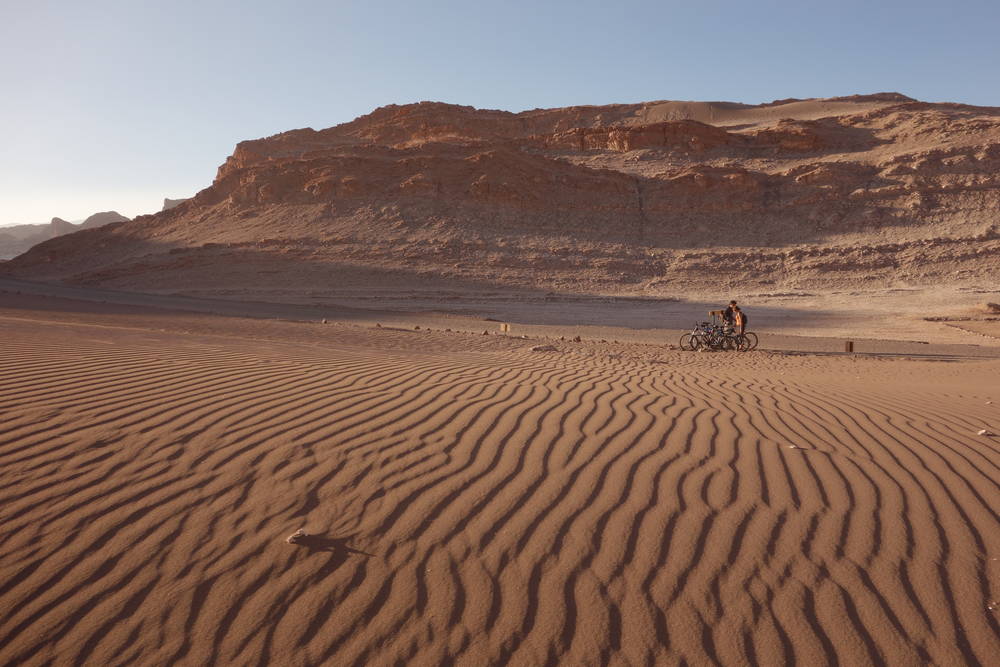
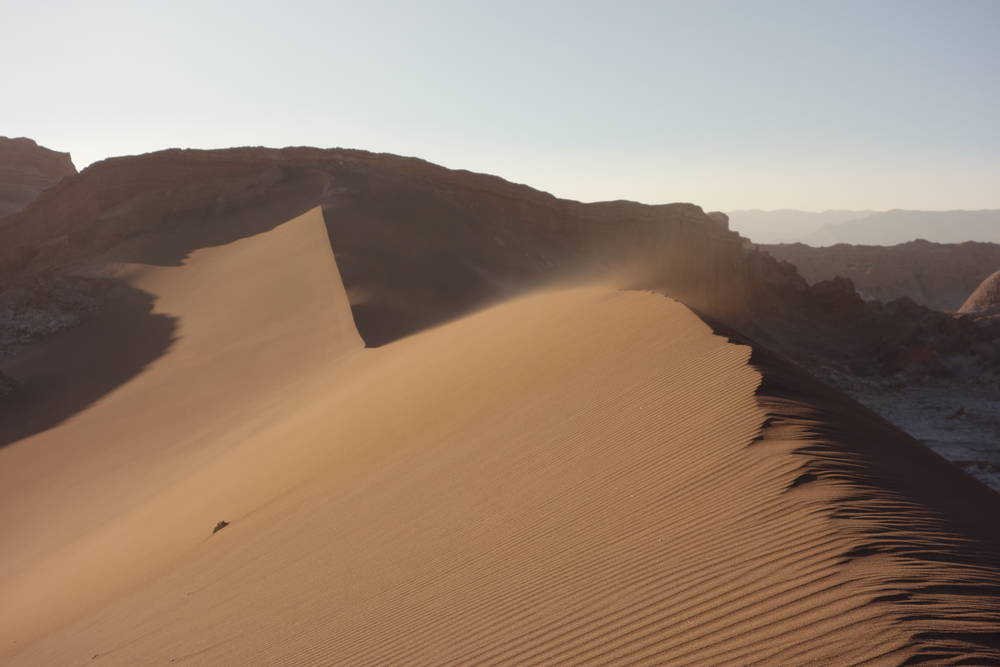
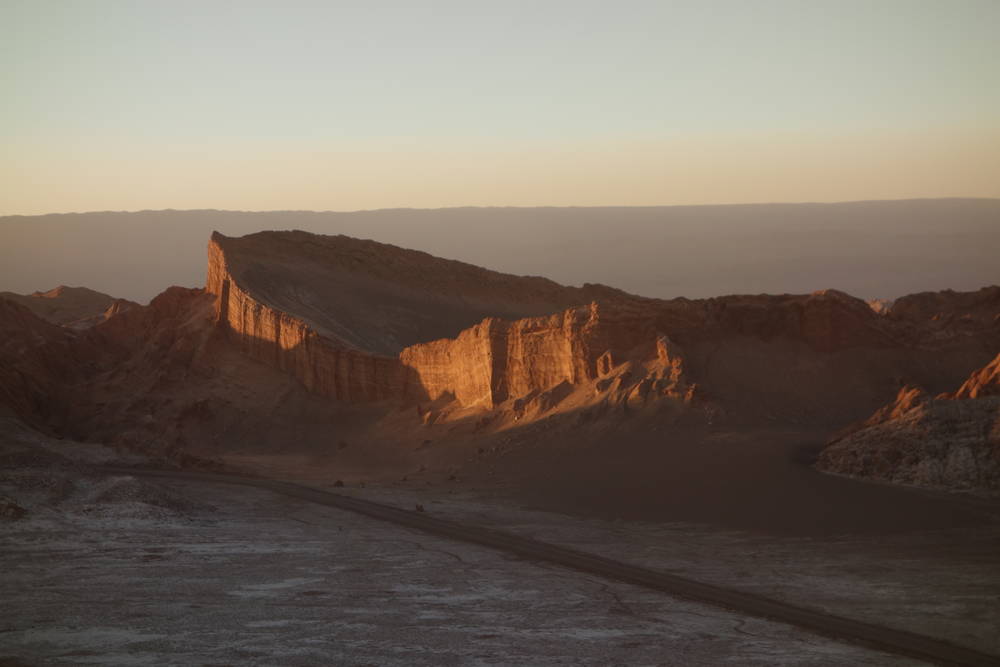
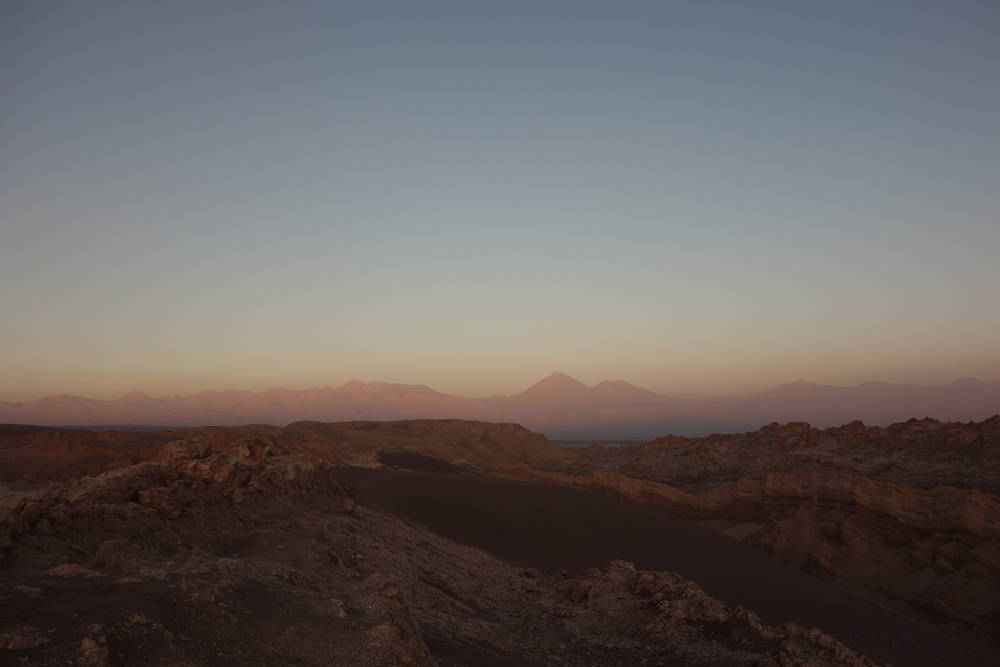
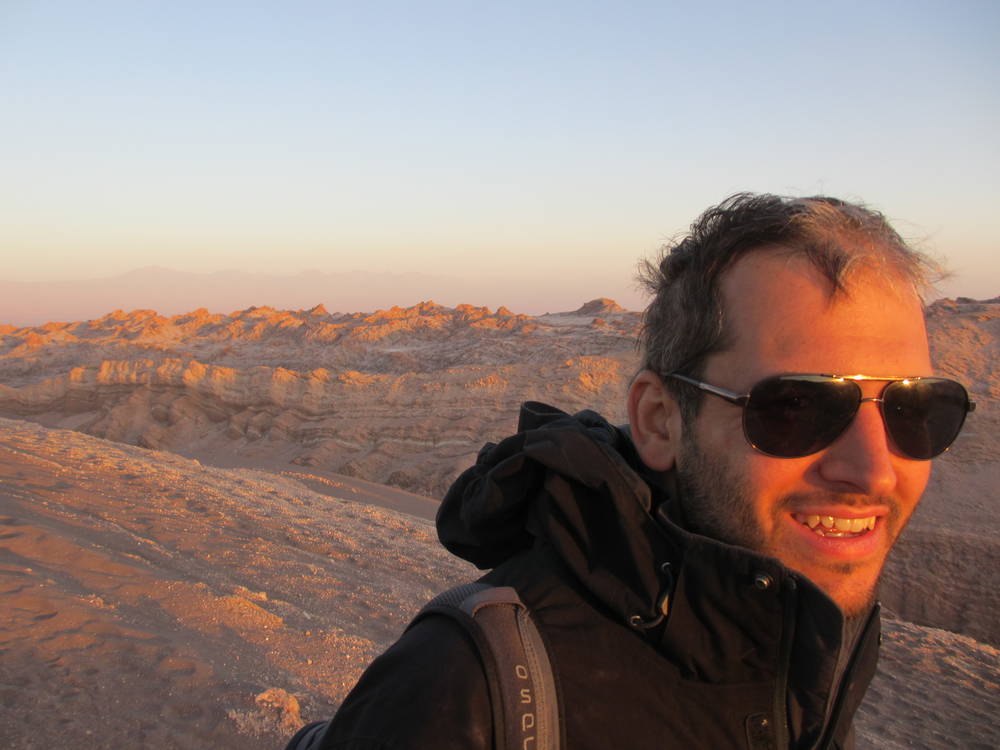
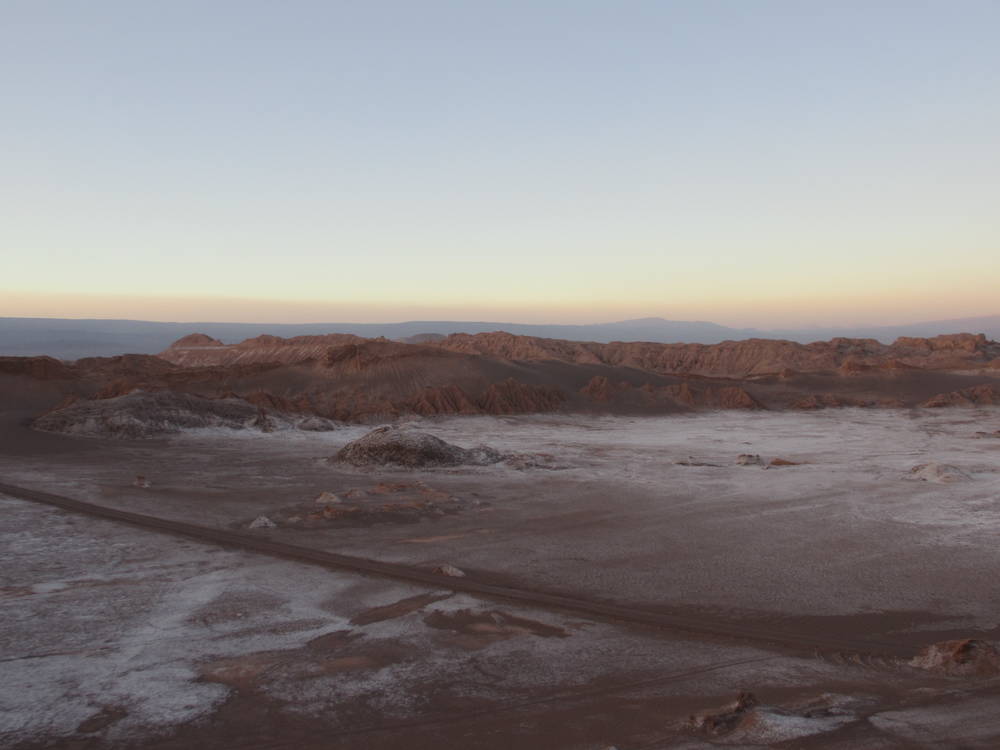
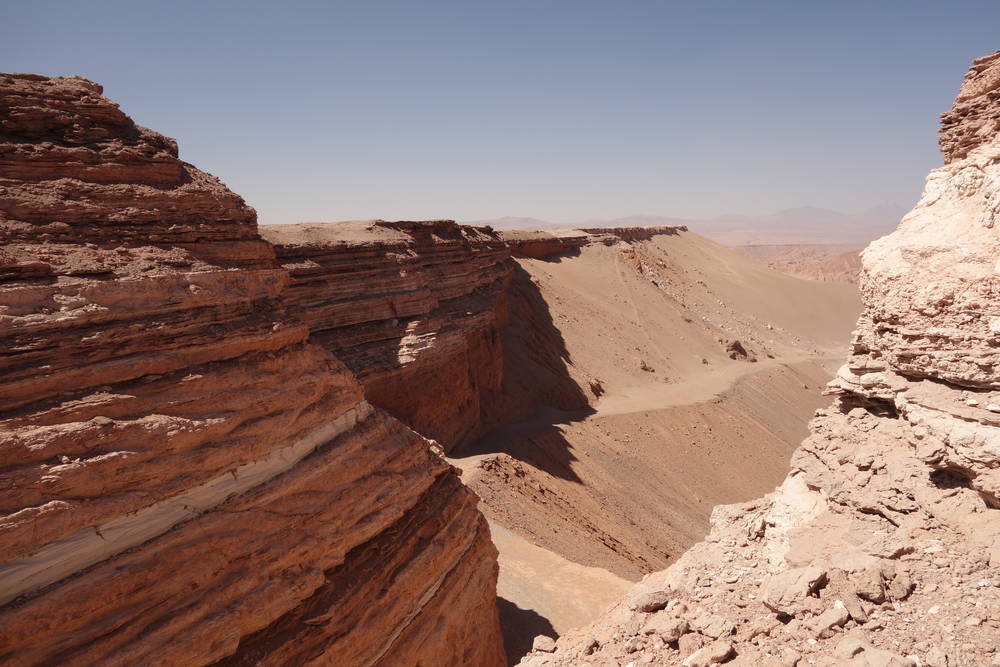
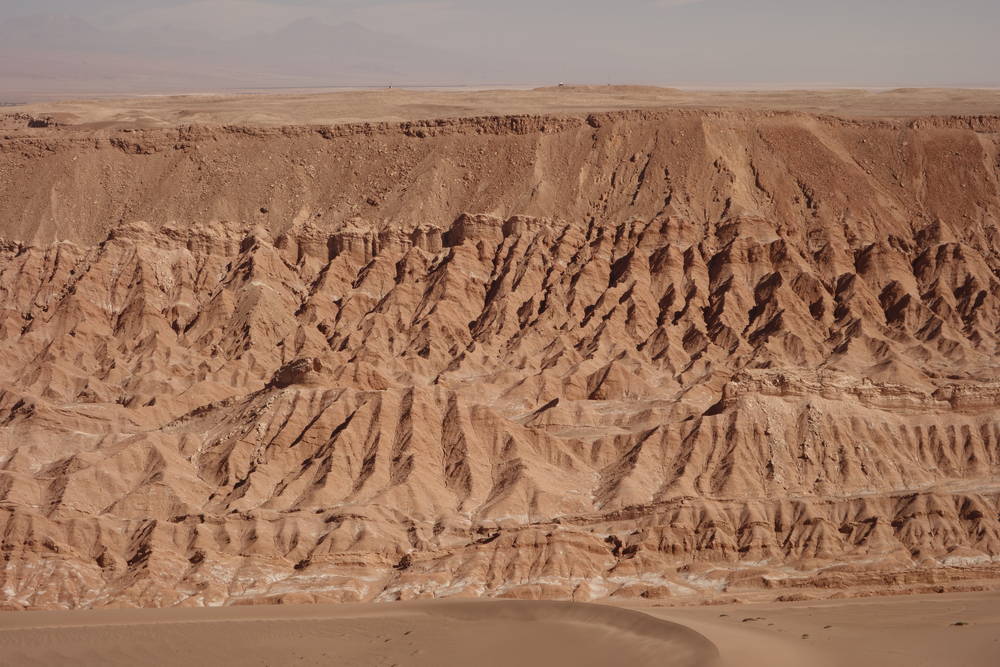
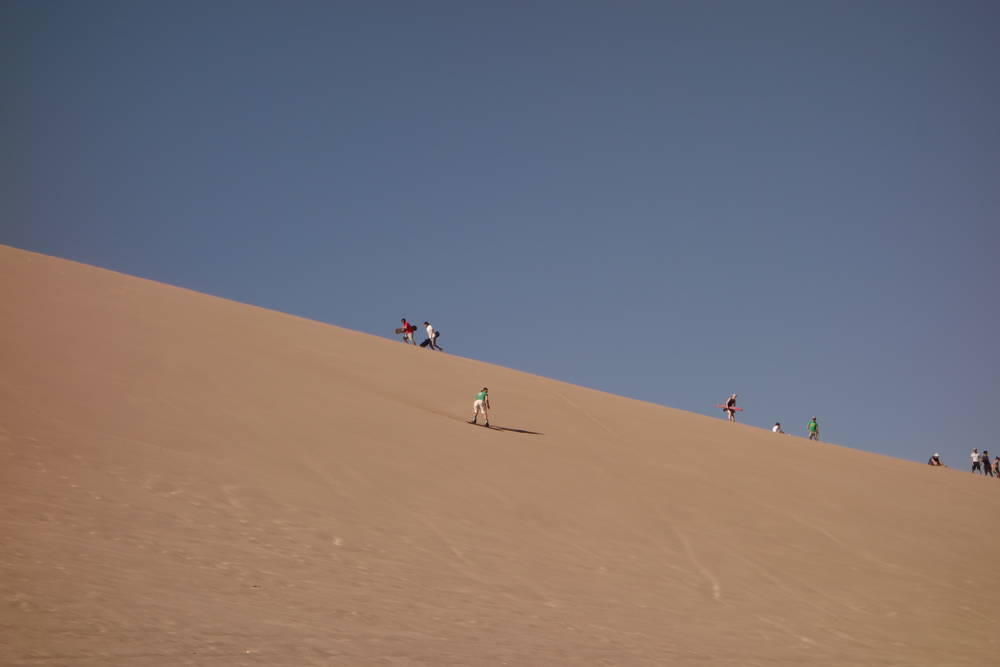
Looking back we should have stayed a little longer in San Pedro, so our program in the salt desert in the north of Chile was quite packed: in the first afternoon we went to Valle de la Luna and Valle de los Muertos:

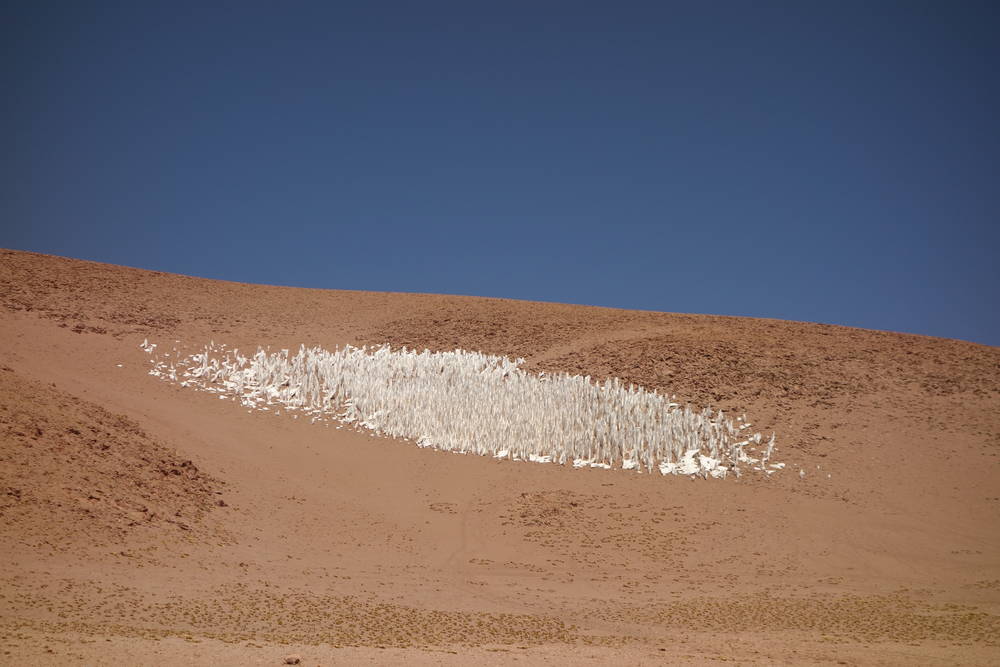
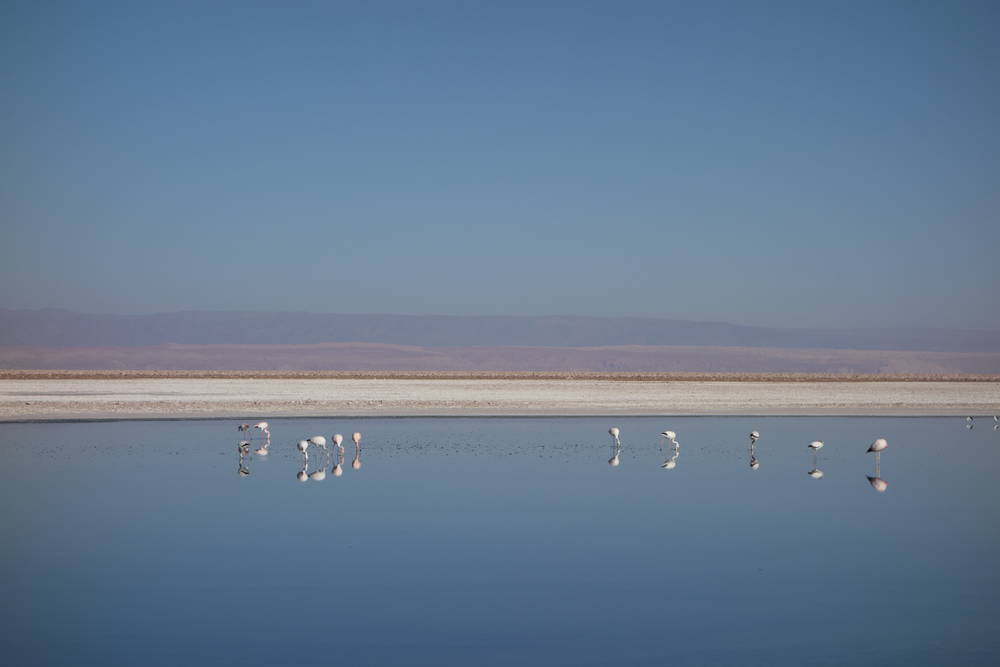
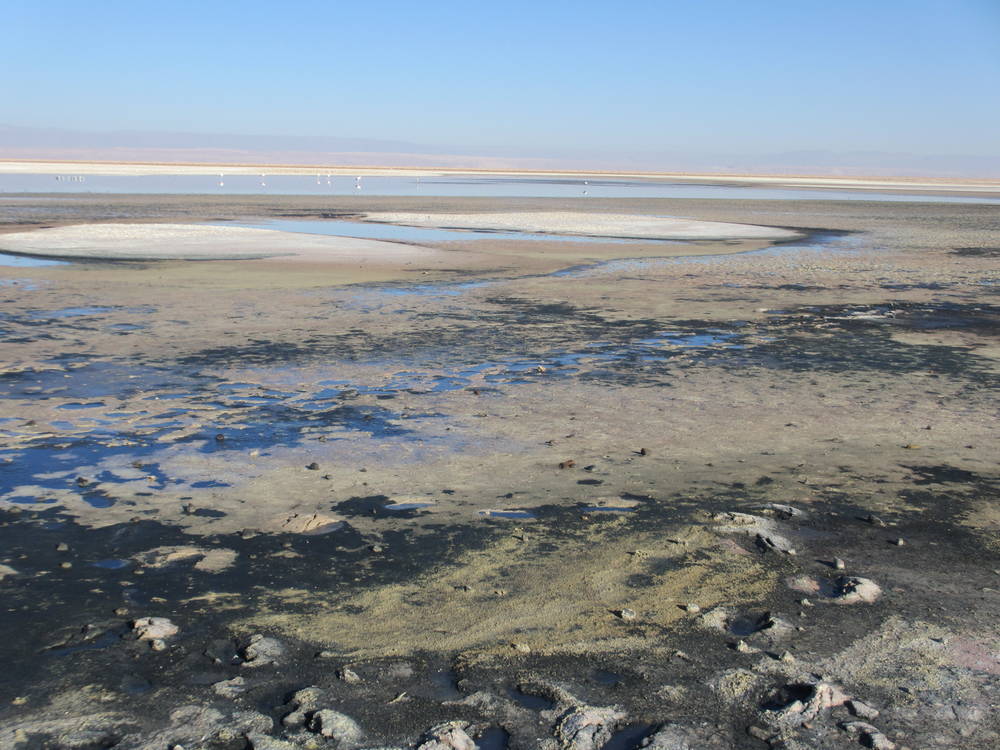
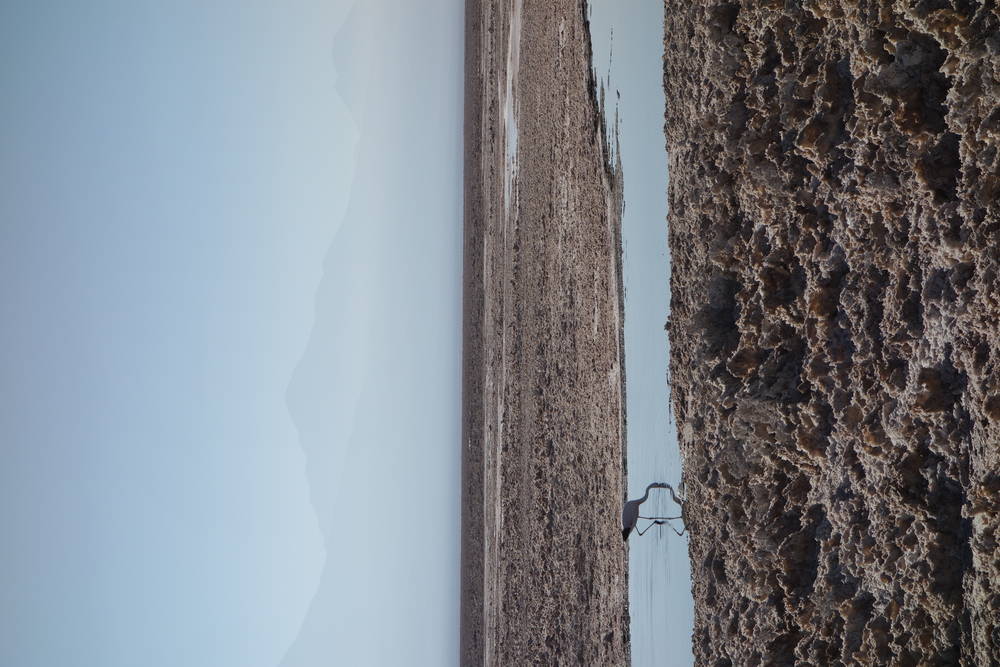
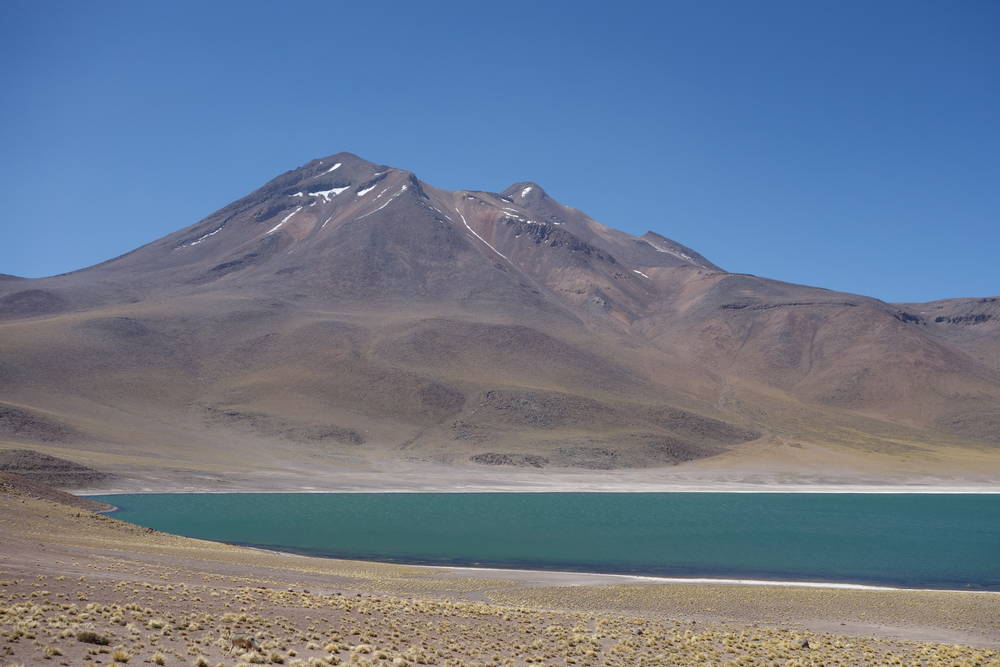
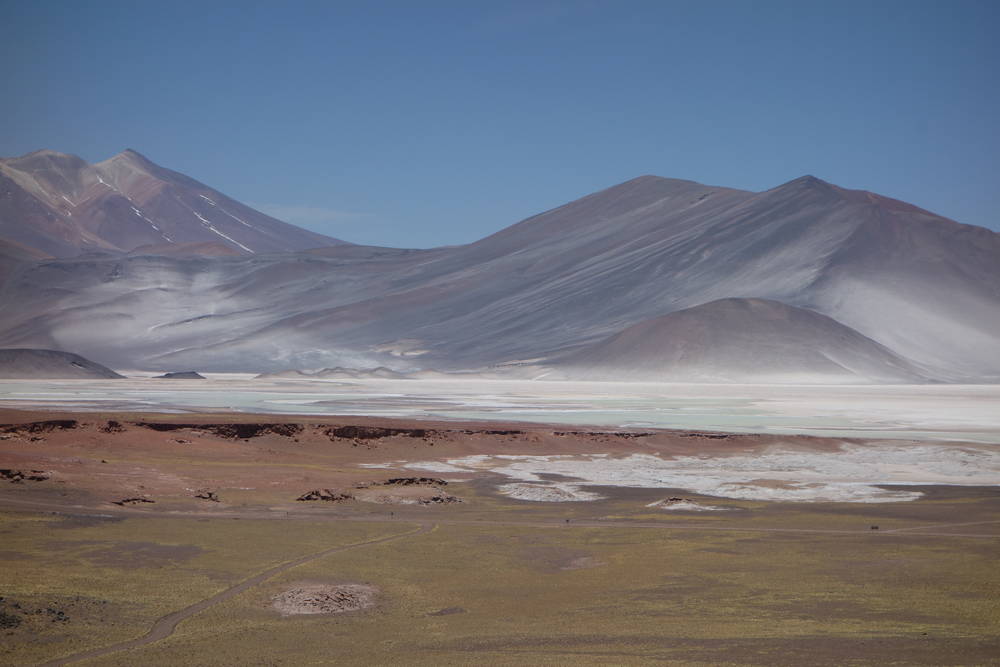
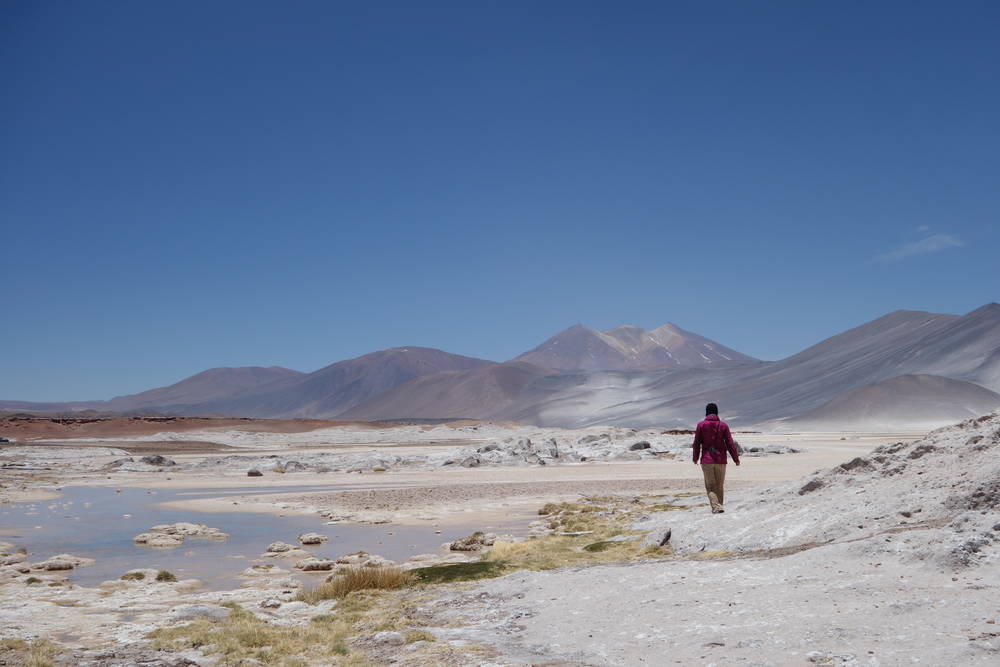
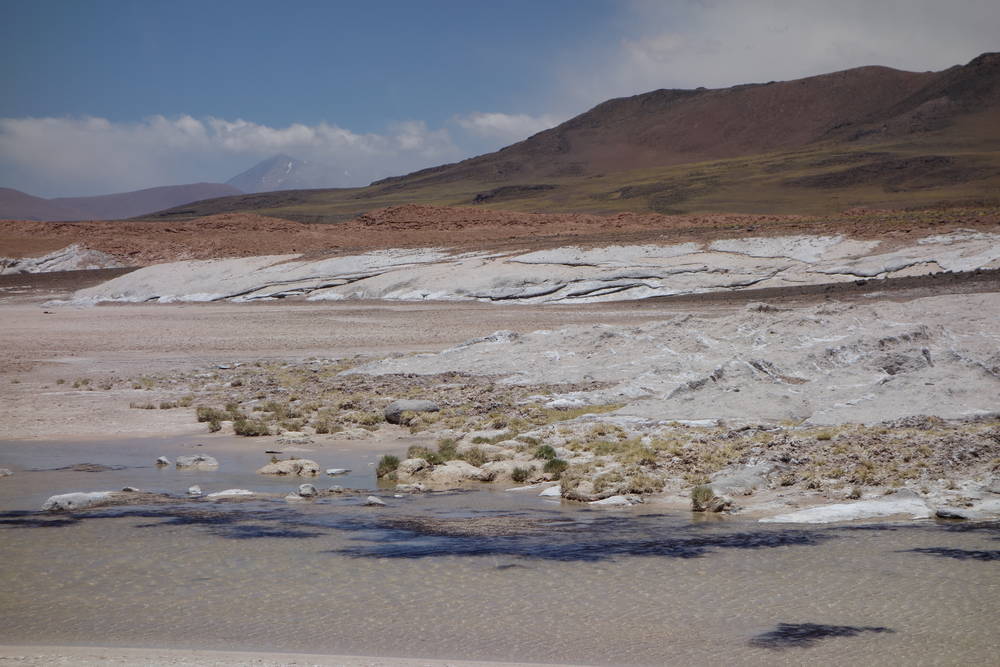
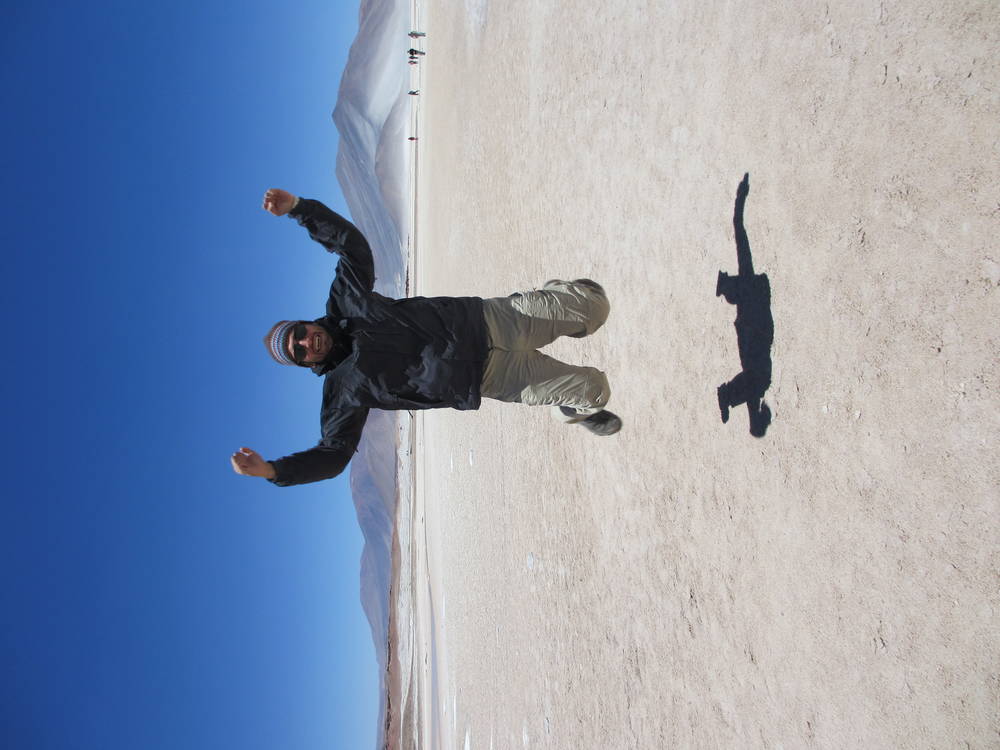
On the second day we did another tour with Cosmo Andino to the cool highlands (4000 to 5000m): the Flamingo lagoon Chaxa in the Atacama desert, lagoon and vulcano Miñigues and the beautiful Salar de Tara (or was it Talar de Sala? Eva had a legasthenic tendency in San Pedro, probably caused by the thin air).

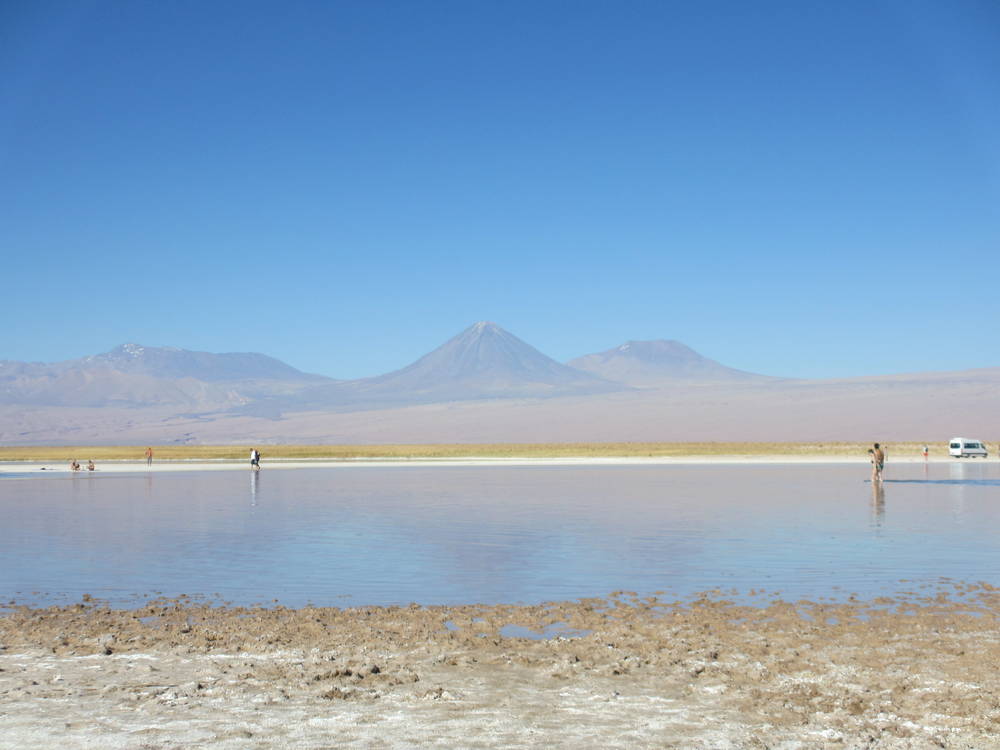
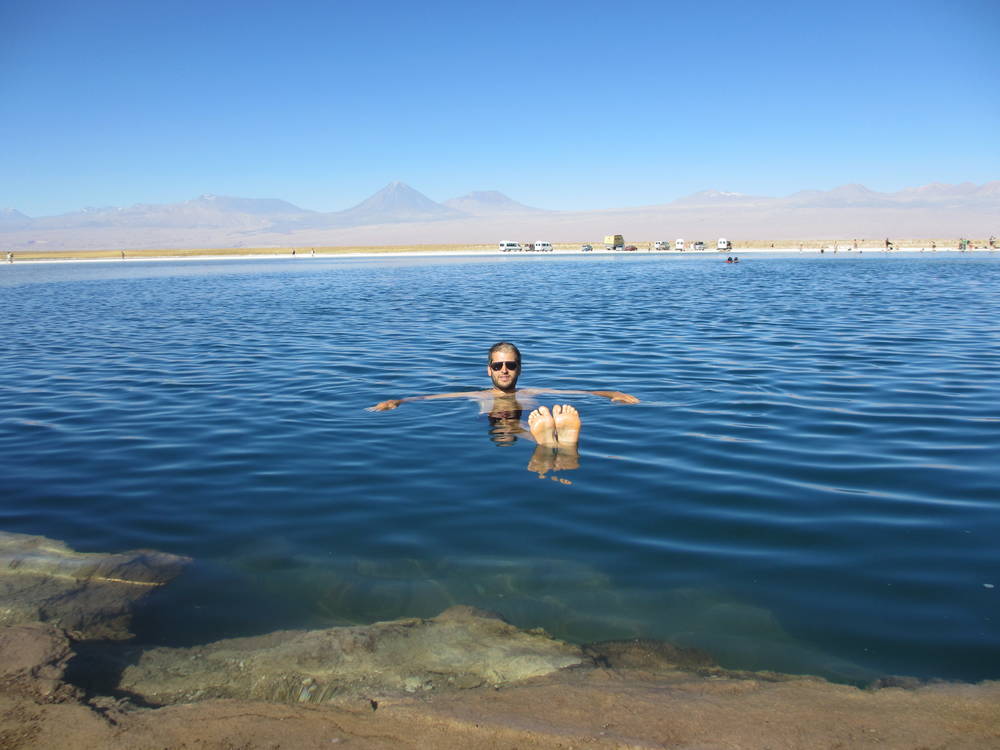
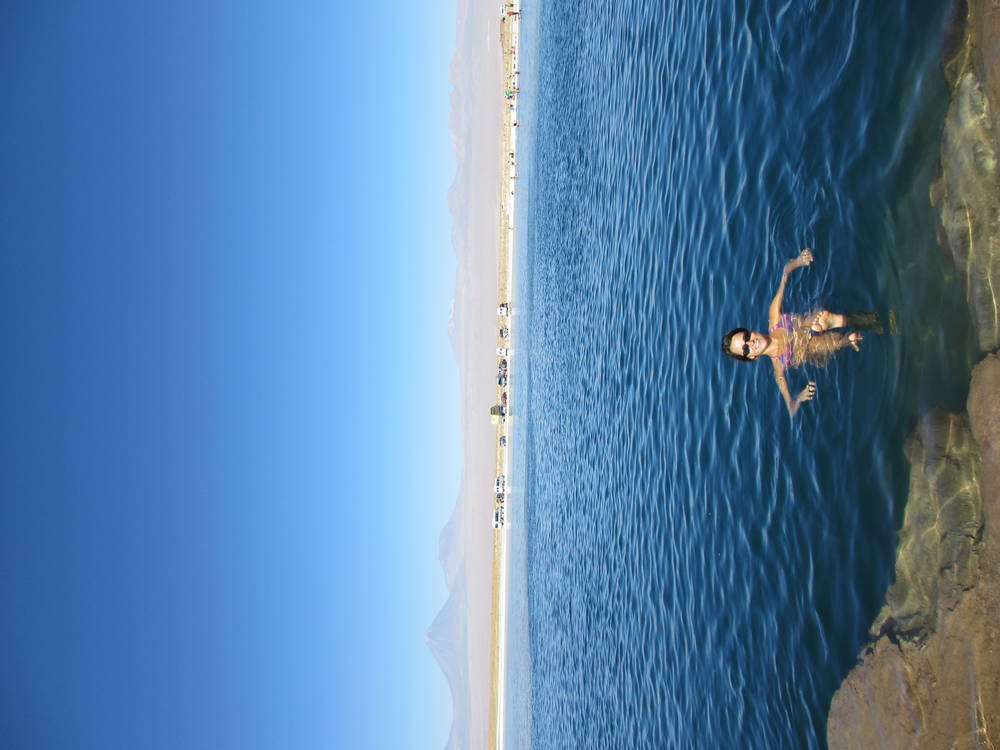
The third day was a bit more quiet, in the afternoon we went “floating” in the salt lagoon Cejar and for the sun-set to the very corny lagoon Tebinquiche: It seemed like pieces of ice were swimming on the turqoise water, in the background the mountain chain with vulcanos sprinkled in between and the sun made it all glow in different shades of red. Unfortunately we don’t have any photos: when the camery battery is empty, no warming in the hands or breathing hot air onto it helps.

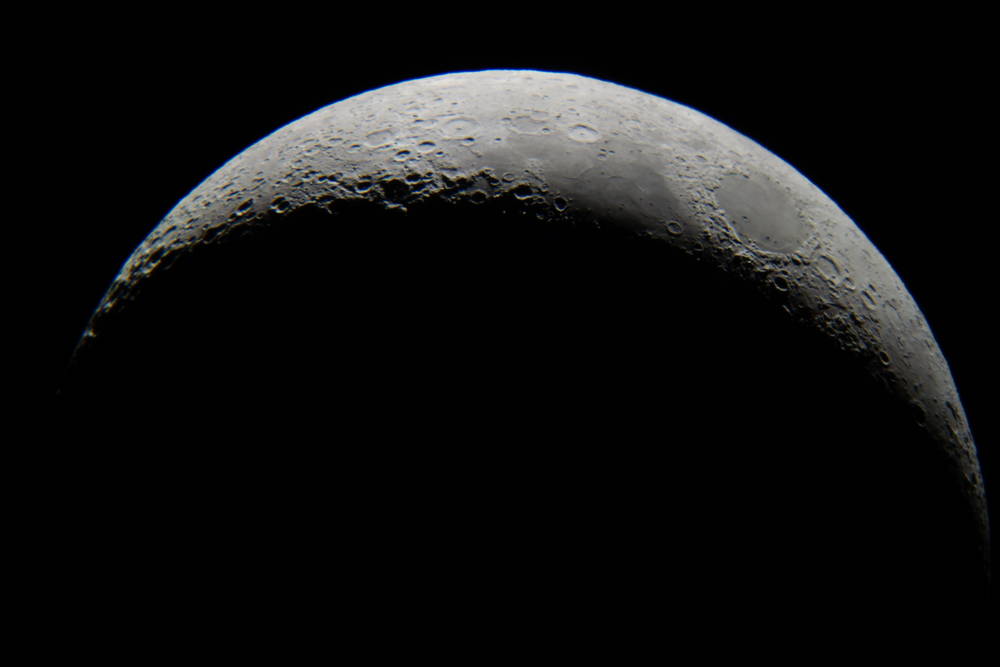
Fly me to the moon…

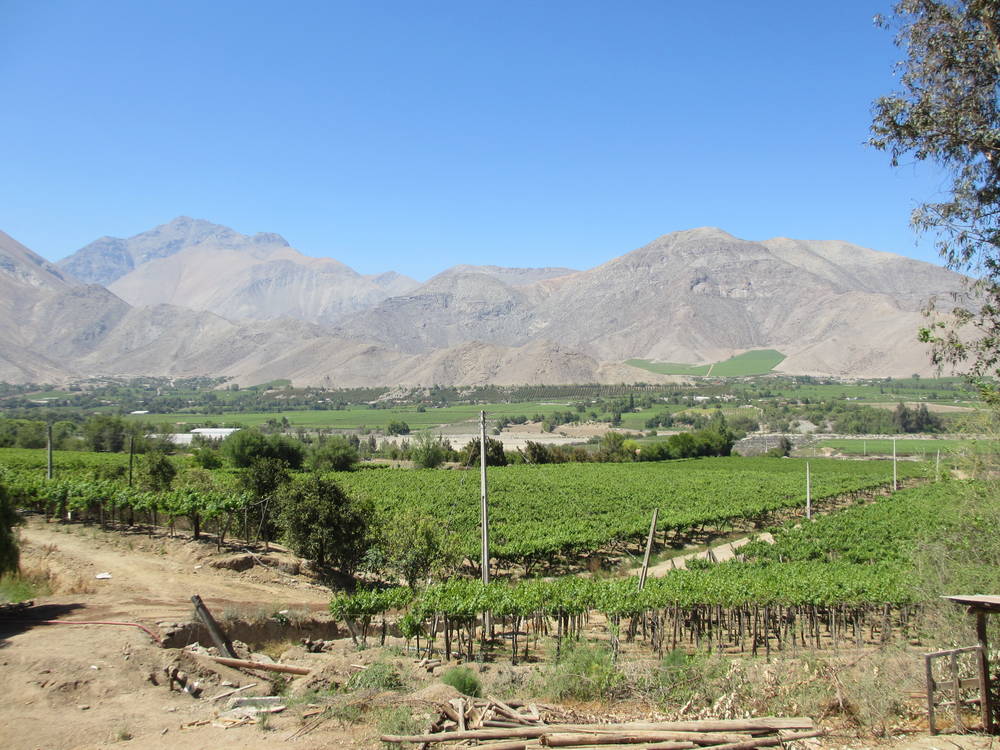
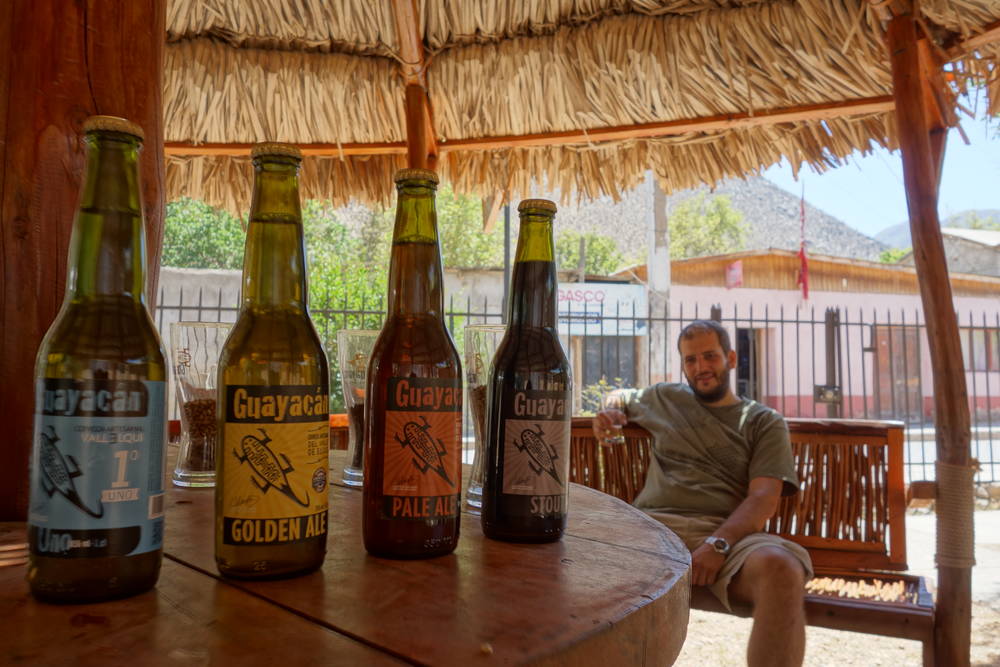
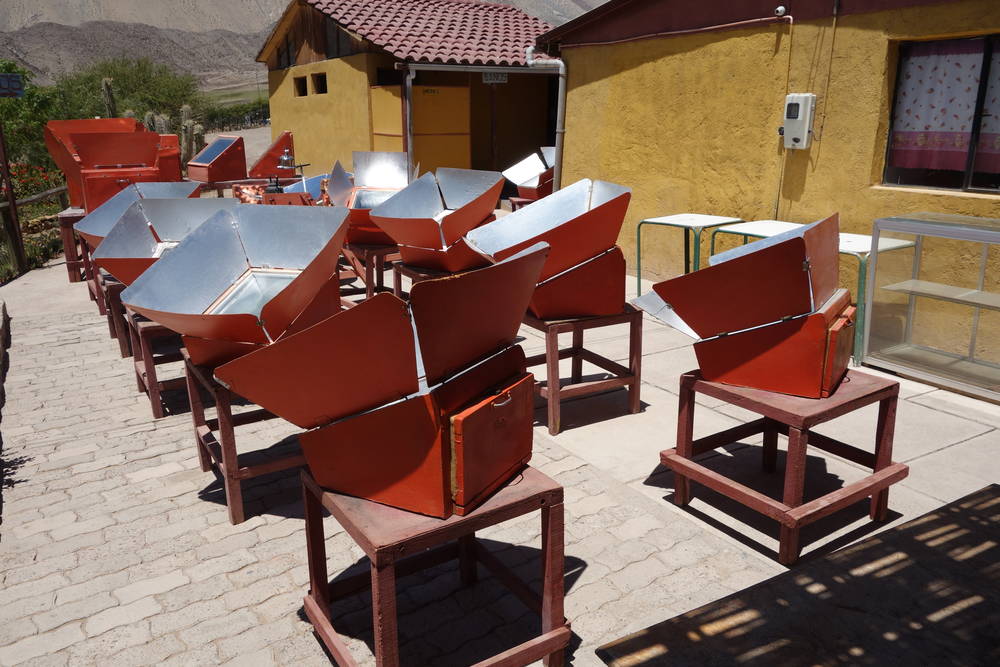
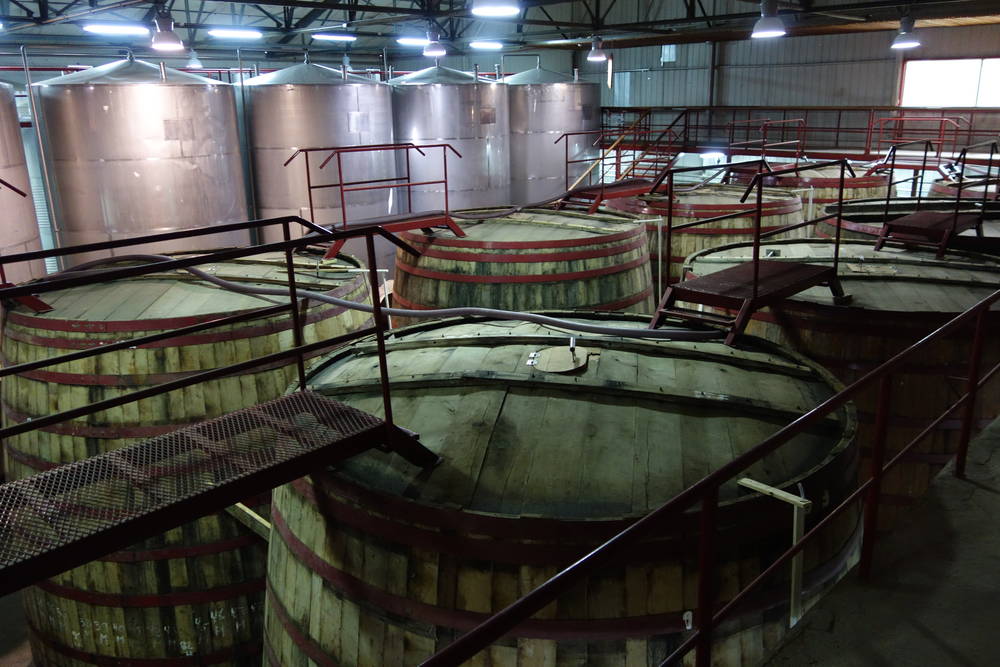
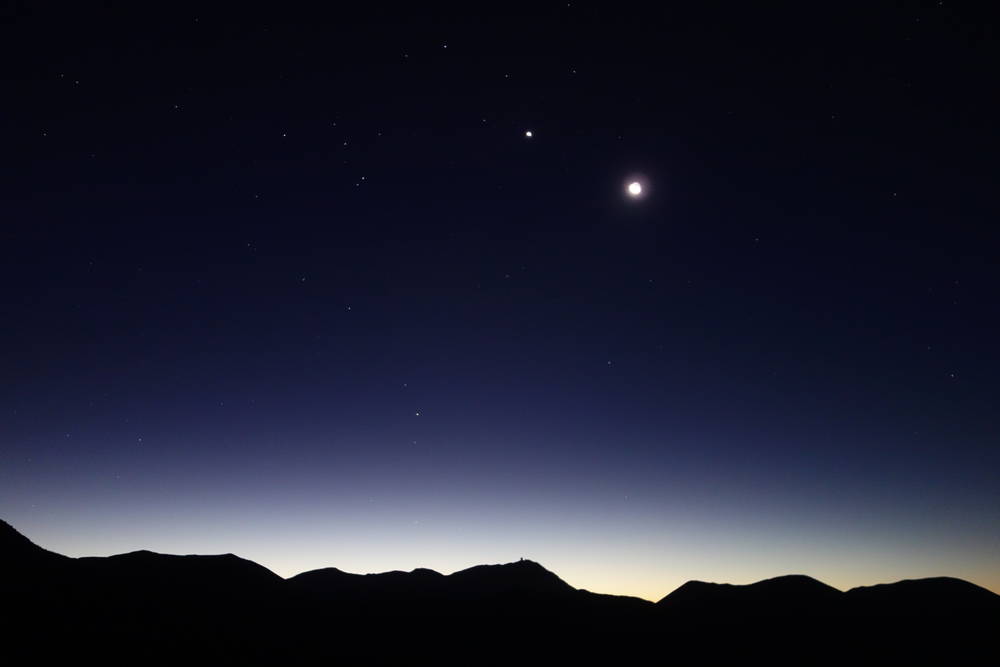
Off the beaten tourist tracks lies Vicuña at the beginning of the Elqui Valley. We already knew since Santiago that we liked the local beer, Pisco and stars were further reasons for the detour.

For the first time we here also came across the “siesta”. Between 1pm and 5pm basically everything is closed. But since it is very uncommon to display the opening hours and if you are not aware of the practice, you initially find yourself in midst a boarded-up town. Even when everything is finally open, Vicuña (which, by the way, is actually the name of a certain kind of Lama) isn’t exactly a very lively town.

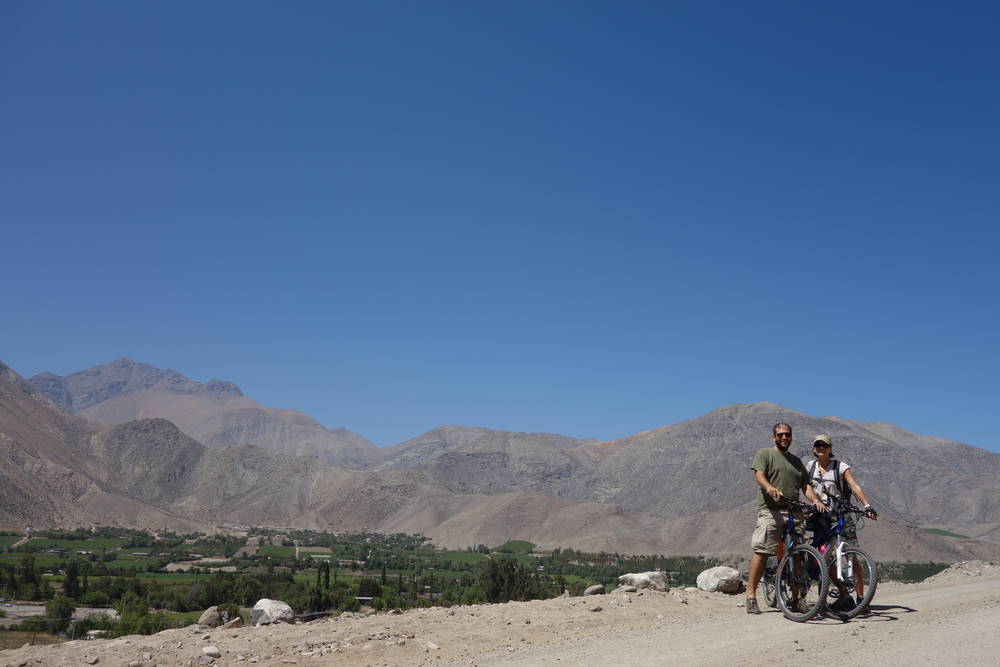
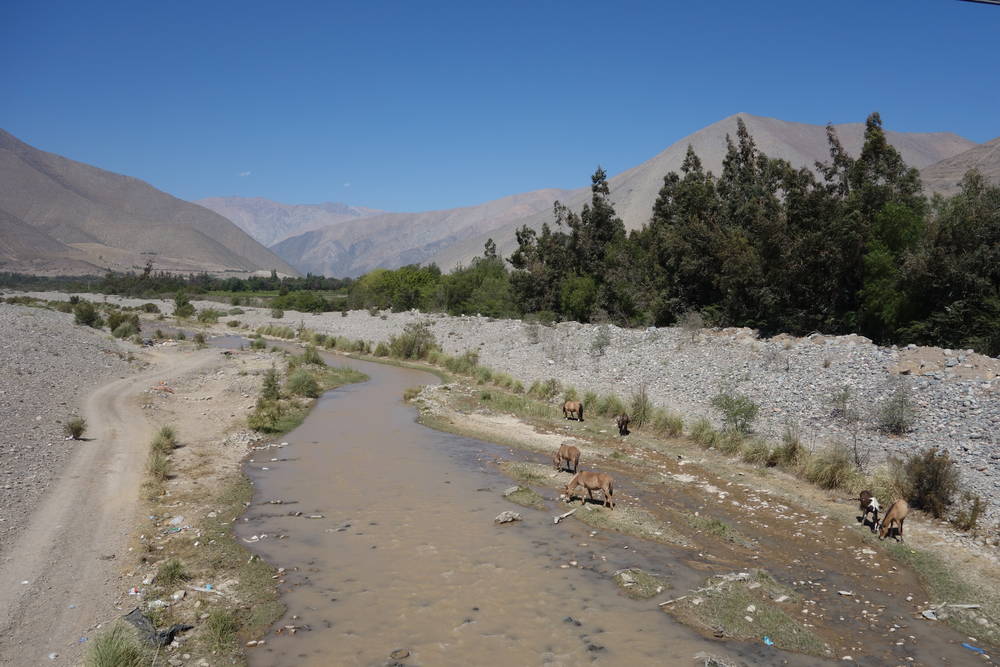
They do have a very nice bike-rental, though, which provided us with the best bikes on our entire trip so far for our tour of the valley.

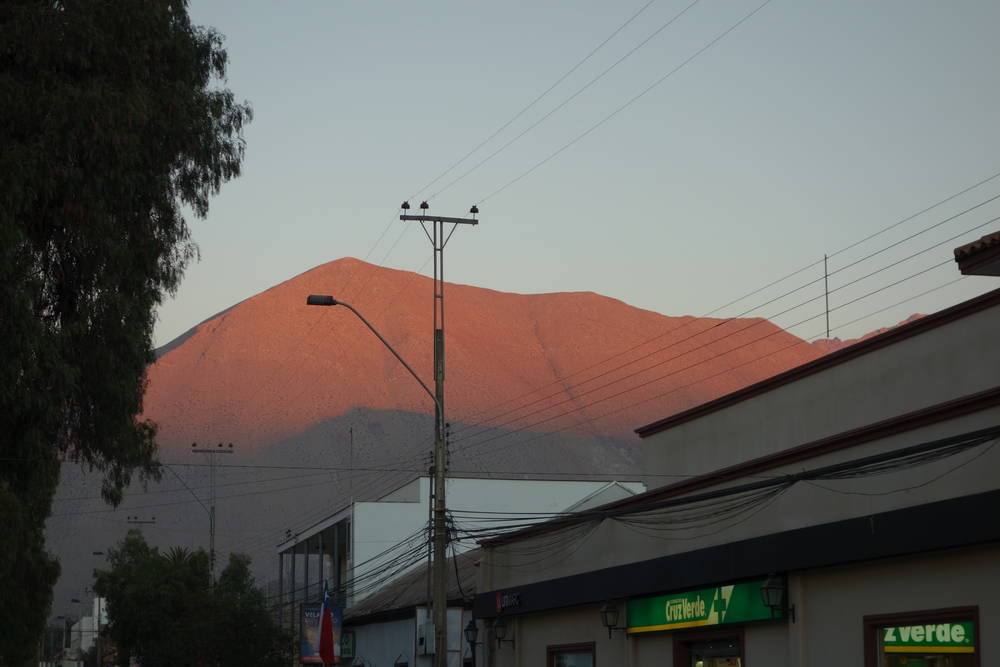
The sun-set with the glowing mountains really challenges the one at Uluru with regards to changing colors. As soon as the sun has set, you can enjoy the cloud-free sky for star-gazing, which actually always includes the small Magellan-clouds, which are in fact galaxies that are only visible on the southern hemisphere.

All in all an uncommon but very rewarding detour on our way north.

Valparaíso

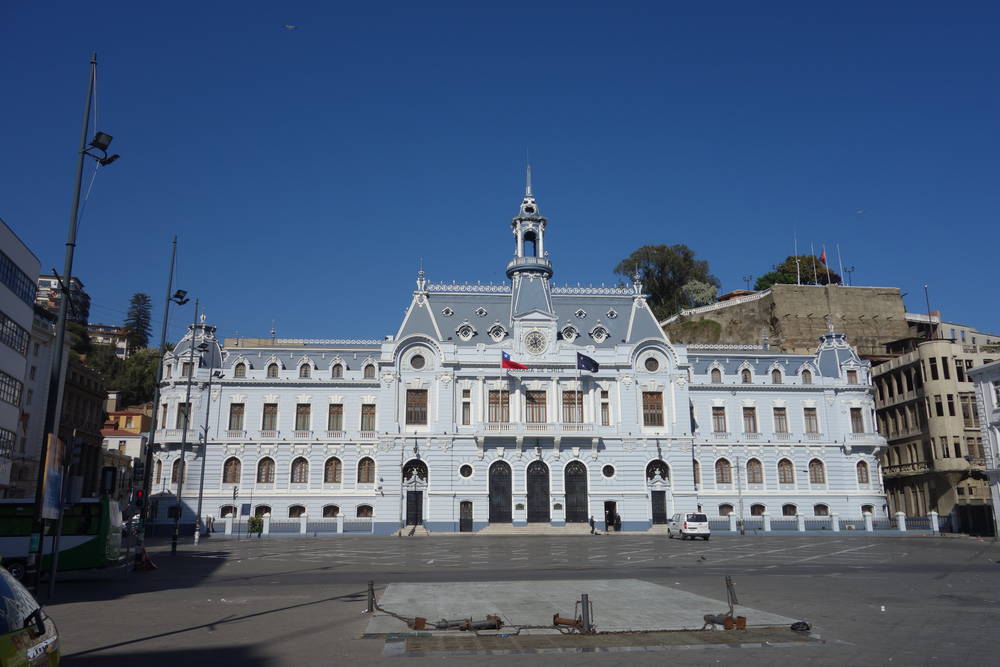
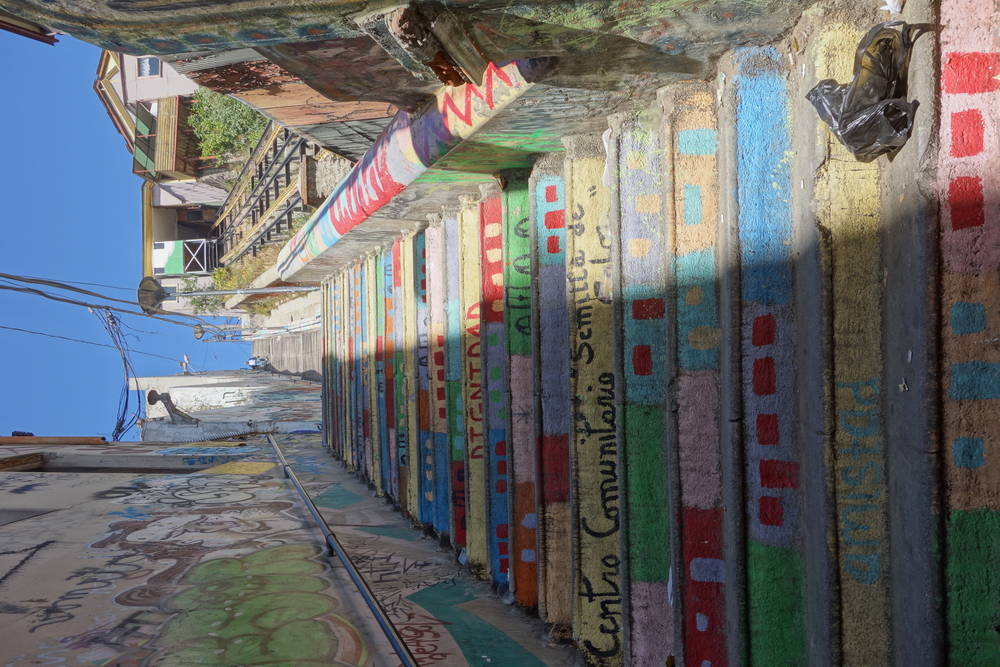
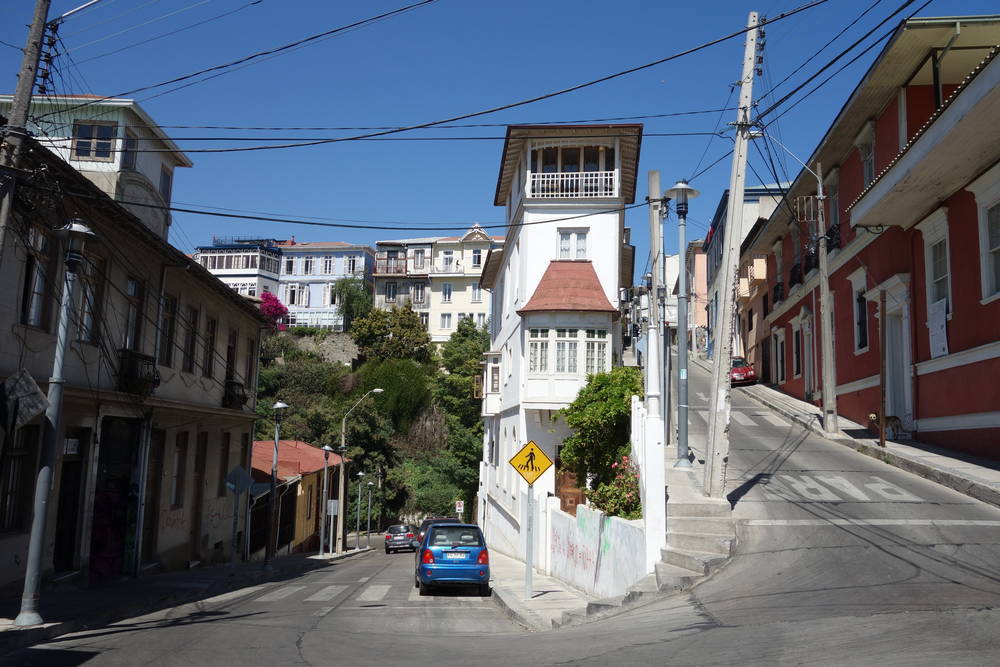
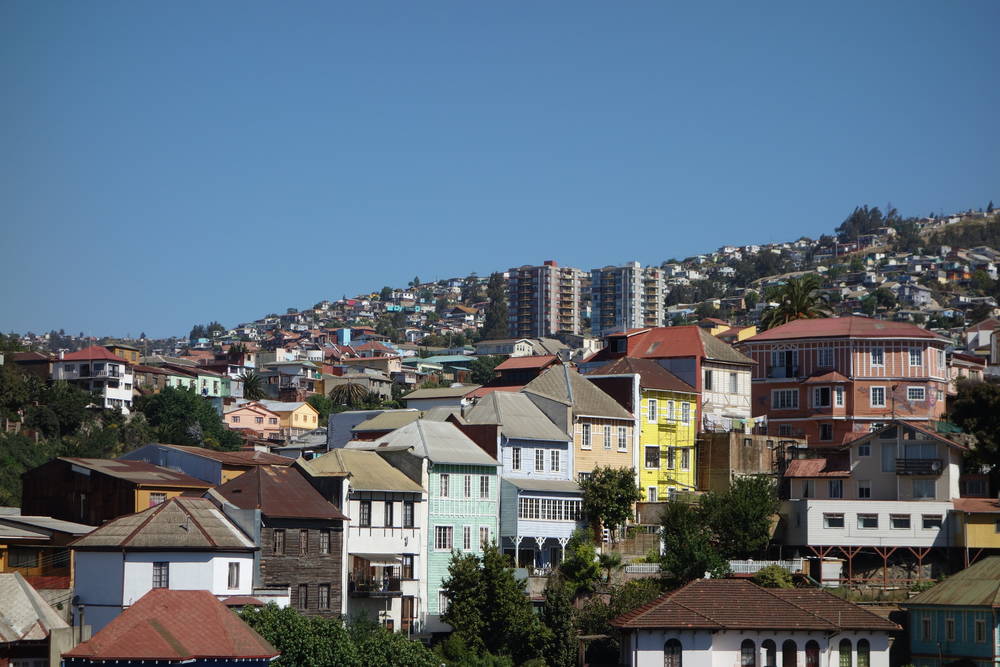
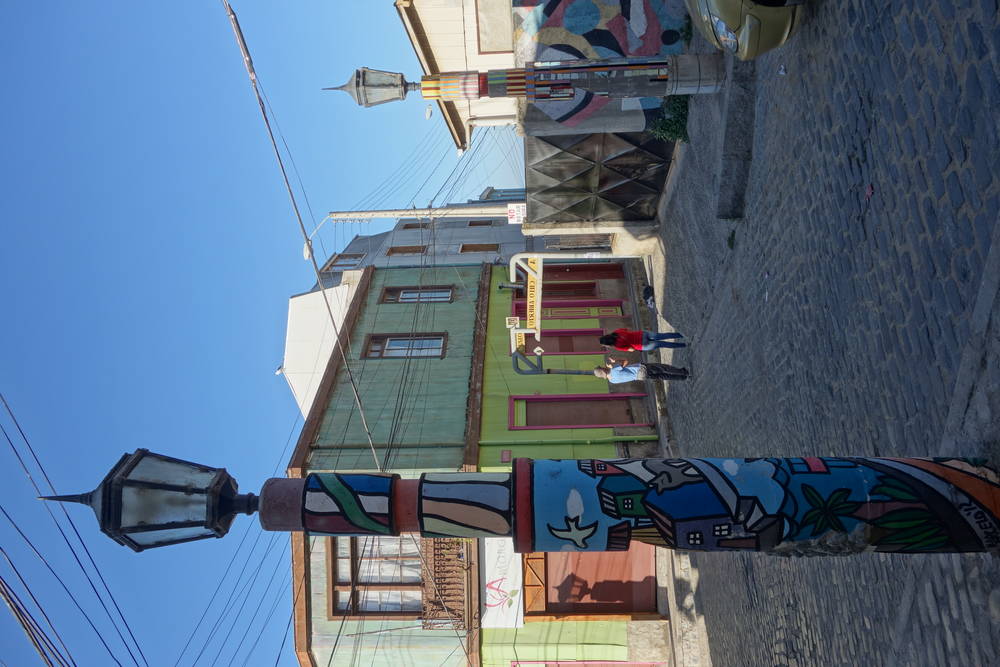
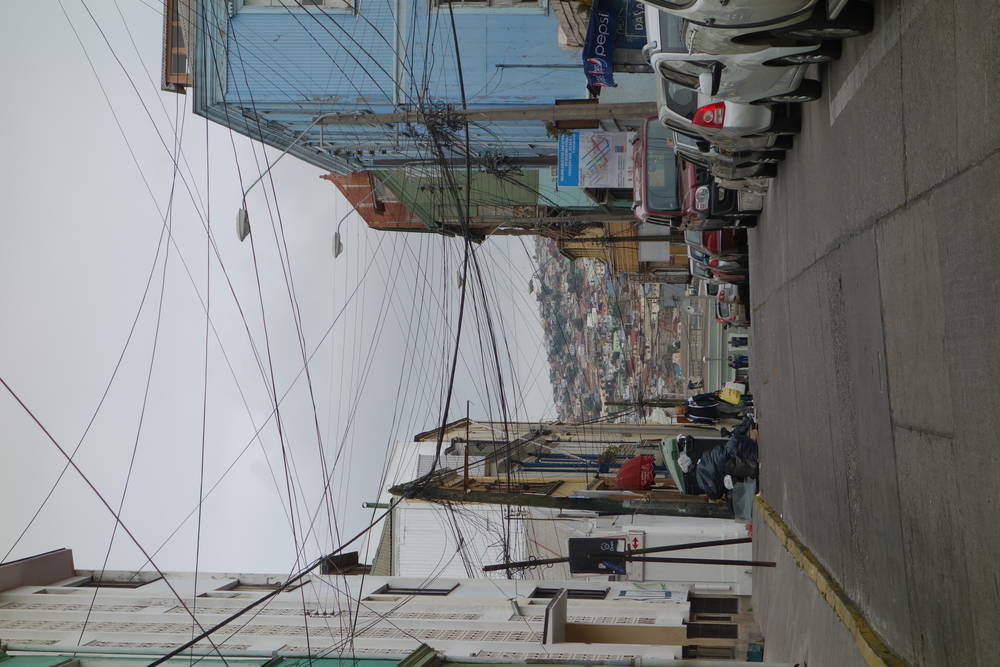
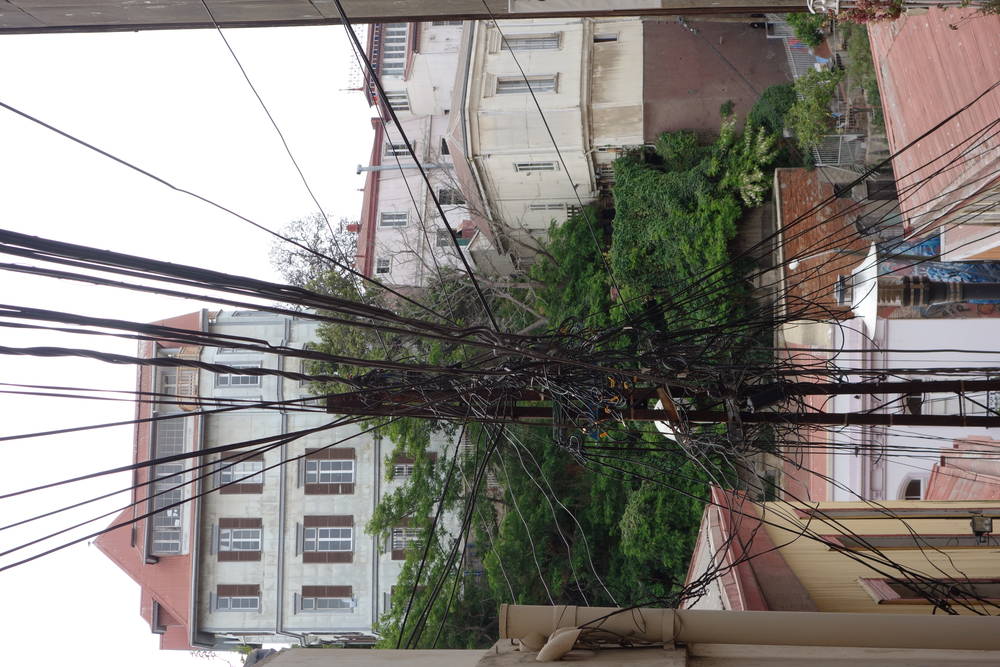
On our way north we spent a few days in this small harbour city which nicely sits upon several hills, smothered with houses.
Until the Panama Canal was opened, Valparaíso was an important port on the water way between Europe and Asia, since then things have rather turned for the worse. An especially prominent example of this is a decayed hotel almost on the town square which was set to be opened in 1918, but in 1914 the Panama Canal was opened.

Italian immigrants brought the idea of cable cars from Europe and so there are a numerous ?URoeascensadors?UR? that spares you from climbing the many stairs up the hills. Theoretically. Due to the upcoming elections, almost the entire public service went on strike.
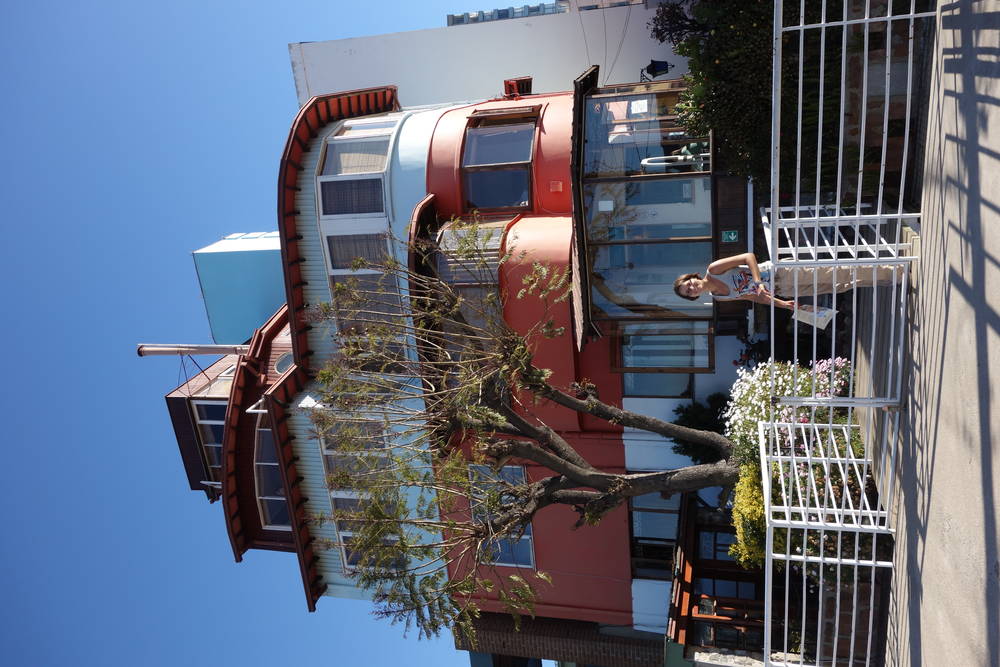
Also Pablo Neruda had a very nice house with a perfect view from almost every room over the city and its port. It is believed that this was his most favourite house, we concur.

Our next stop: Elqui-Valley: center of the Chilean Pisco production and seventh heaven for astronomers.